Mobile applications have fundamentally changed how businesses operate and connect with customers. From startups to Fortune 500 companies, organizations across industries are recognizing that a well-designed app isn’t just a nice-to-have—it’s essential for staying competitive.
Professional app development services offer the expertise, resources, and strategic guidance needed to transform your business idea into a powerful mobile solution. Whether you’re looking to streamline internal operations, enhance customer engagement, or create entirely new revenue streams, the right development partner can make the difference between a successful app and a costly mistake.
This comprehensive guide explores everything you need to know about app development services, from understanding different types of development approaches to selecting the right partner for your specific needs.
Understanding App Development Services
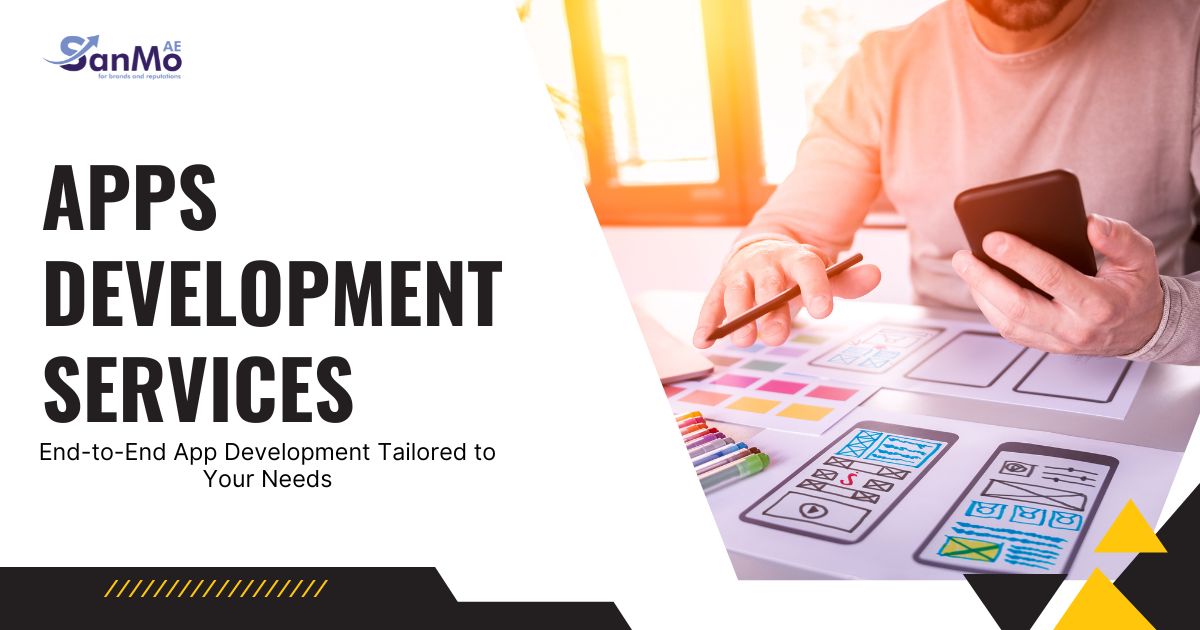
App development services encompass the entire process of creating mobile applications, from initial concept and design to deployment and ongoing maintenance. These services typically include strategy consultation, user experience (UX) design, technical development, quality assurance testing, and post-launch support.
Professional development teams bring together specialists in various fields—such as project managers, designers, developers, and quality assurance engineers—to ensure your app meets both technical requirements and business objectives. This collaborative approach helps avoid common pitfalls that plague many do-it-yourself or inexperienced development attempts.
The complexity of modern app development requires expertise in multiple programming languages, frameworks, and platforms. iOS apps require knowledge of Swift or Objective-C, while Android development necessitates proficiency in Java or Kotlin. Cross-platform solutions may use React Native, Flutter, or other hybrid frameworks.
Types of App Development Approaches
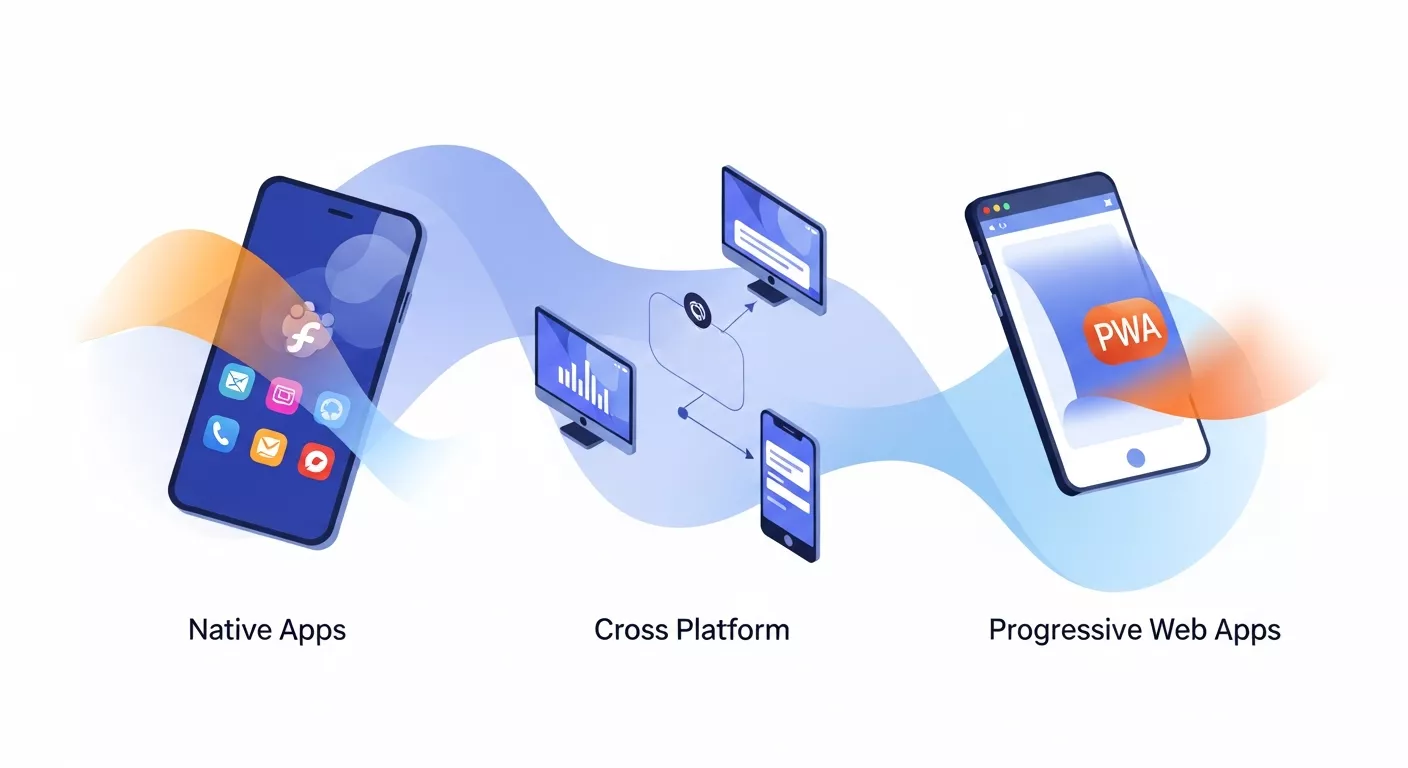
Native App Development
Native development creates separate applications for each platform using platform-specific programming languages and tools. iOS native apps are built using Xcode with Swift or Objective-C, while Android apps use Android Studio with Java or Kotlin.
The primary advantage of native development lies in performance and platform integration. Native apps can fully utilize device-specific features like cameras, GPS, accelerometers, and push notifications. They also provide the most responsive user experience and seamless integration with platform-specific design guidelines.
However, native development requires separate codebases for each platform, which increases both development time and costs. Maintaining two distinct applications also means that ongoing updates and bug fixes must be implemented twice.
Cross-Platform Development
Cross-platform development allows developers to create a single codebase that works across multiple platforms. Popular frameworks like React Native, Flutter, and Xamarin enable this approach by translating shared code into platform-specific implementations.
This approach offers high cost and time savings, especially for businesses targeting both iOS and Android users. A single development team can manage the entire project, and updates can be deployed simultaneously across platforms.
The trade-off involves some performance limitations and reduced access to platform-specific features. However, modern cross-platform frameworks have largely addressed these concerns, making them viable options for most business applications.
Progressive Web Apps (PWAs)
Progressive Web Apps represent a hybrid approach that combines web and mobile app technologies. PWAs use web technologies like HTML, CSS, and JavaScript, but provide app-like experiences including offline functionality, push notifications, and home screen installation.
PWAs offer universal compatibility across devices and platforms while requiring only web development skills. They’re particularly attractive for businesses with existing web applications or those prioritizing rapid deployment and universal access.
The limitations include reduced native device integration and performance constraints compared to native apps. App store distribution can also be challenging, though this is improving as platforms increasingly support PWA listings.
AI-Powered App Development: The Future of Intelligent Applications

The rise of artificial intelligence (AI) has transformed how apps interact with users, automate processes, and deliver personalized experiences. Professional app development services increasingly include AI capabilities to help businesses stay competitive in an evolving digital landscape. Whether your goal is enhancing customer engagement, automating operations, or providing predictive insights, AI-powered apps can unlock new possibilities.
Key AI Features in Mobile Apps
- Personalization: AI algorithms analyze user behavior and preferences to deliver tailored recommendations, notifications, and content. This improves engagement and customer satisfaction.
- Chatbots and Virtual Assistants: AI-driven chatbots provide instant support, handle routine queries, and guide users through complex processes—reducing operational costs and improving service quality.
- Predictive Analytics: AI can forecast trends, user behavior, and market demands, enabling businesses to make data-driven decisions and optimize strategies.
- Computer Vision and Image Recognition: Apps can use AI to detect objects, scan documents, or enhance augmented reality experiences, opening new avenues for retail, healthcare, and security applications.
- Natural Language Processing (NLP): NLP allows apps to understand and interpret human language, powering features like voice commands, sentiment analysis, and language translation.
Why Professional App Development Services Matter for AI Apps
Developing AI-enabled applications requires expertise beyond traditional app development. Professional teams bring the technical knowledge to integrate machine learning models, ensure data security, and optimize algorithms for performance across devices. They also guide businesses in selecting the right AI tools and frameworks—such as TensorFlow, PyTorch, or Core ML—while ensuring compliance with ethical and privacy standards.
Benefits for Your Business
Integrating AI into your mobile app can:
- Increase user engagement with personalized experiences.
- Automate repetitive tasks, saving time and resources.
- Provide actionable insights to improve decision-making.
- Differentiate your business in a competitive market.
By leveraging professional app development services to create AI-powered applications, businesses can transform data into actionable intelligence, enhance customer experiences, and unlock innovative revenue streams. As AI technology continues to evolve, investing in intelligent app solutions positions your business for long-term growth and success.
Key Benefits of Professional App Development Services

Technical Expertise and Experience
Professional development teams possess deep technical knowledge gained through years of experience across various projects and industries. They understand the nuances of different platforms, have experience with complex integrations, and know how to optimize performance for different devices and operating systems.
This expertise extends beyond coding to include security best practices, scalability planning, and performance optimization. Experienced teams can anticipate potential issues and implement solutions before problems arise, saving time and resources during development.
Strategic Planning and Consultation
Quality app development services begin with strategic consultation to understand your business goals, target audience, and competitive landscape. This planning phase helps define app features, user flows, and technical requirements that align with your objectives.
Professional teams conduct market research, analyze competitor apps, and identify opportunities for differentiation. They help prioritize features based on user needs and business value, ensuring your app delivers maximum impact within budget constraints.
Quality Assurance and Testing
Comprehensive testing is crucial for app success, yet it’s often overlooked or inadequately performed by inexperienced developers. Professional services include systematic testing across multiple devices, operating system versions, and usage scenarios.
Quality assurance teams test functionality, performance, security, and user experience to identify issues before launch. This includes automated testing for consistent functionality, manual testing for user experience validation, and security testing to protect user data and business assets.
Ongoing Support and Maintenance
App development doesn’t end at launch. Operating systems are regularly updated, new devices are released, and user needs evolve. Professional development services include ongoing maintenance, updates, and feature enhancements to keep your app relevant and functional.
This support includes monitoring app performance, fixing bugs as they’re discovered, updating for new OS versions, and implementing security patches. Many services also provide analytics and user feedback analysis to guide future improvements.
Choosing the Right App Development Partner

Portfolio and Experience Assessment
Evaluate potential partners based on their previous work, particularly projects similar to your requirements. Look for apps they’ve developed in your industry or with similar functionality, and download these apps to assess quality firsthand.
Pay attention to design quality, performance, user reviews, and ongoing maintenance. Apps that haven’t been updated recently or have poor user ratings may indicate inadequate support or technical issues.
Technical Capabilities and Expertise
Assess the team’s technical skills across relevant platforms and technologies. For native development, ensure they have experienced iOS and Android developers. For cross-platform projects, verify their expertise with your chosen framework.
Consider their experience with third-party integrations, backend development, cloud services, and any specialized requirements your app may have. Ask about their development processes, code review practices, and quality assurance procedures.
Communication and Project Management
Clear communication is essential for successful app development. Evaluate how potential partners handle project communication, including update frequency, reporting methods, and availability for questions or changes.
Look for teams that use established project management methodologies like Agile or Scrum, which provide structured development processes with regular milestones and feedback opportunities. This approach helps ensure projects stay on track and align with your expectations.
Pricing Models and Value
App development pricing varies significantly based on complexity, features, and development approach. Be wary of extremely low quotes, which often indicate inexperience or hidden costs that emerge later.
Consider the total value proposition, including design quality, technical expertise, ongoing support, and post-launch services. The cheapest option rarely provides the best long-term value for business-critical applications.
Planning Your App Development Project
Defining Requirements and Objectives
Start by clearly defining what you want your app to accomplish. Identify specific business problems it should solve, target user demographics, and key performance indicators for measuring success.
Create user personas and map out user journeys to understand how people will interact with your app. This exercise helps identify necessary features and functionality while eliminating unnecessary complexity.
Budget and Timeline Considerations
App development costs depend on complexity, platform requirements, and design sophistication. Simple apps with basic functionality might cost $10,000-$50,000, while complex enterprise applications can exceed $200,000.
Timeline expectations should account for all development phases, including planning, design, development, testing, and deployment. Rush projects often result in technical debt and quality issues that prove costly to address later.
Feature Prioritization and MVP Development
Consider developing a Minimum Viable Product (MVP) that includes core functionality while deferring advanced features for future updates. This approach allows faster market entry, user feedback collection, and iterative improvement based on real usage data.
Prioritize features based on user needs and business value. Essential features that directly support your primary objectives should be included in the initial release, while nice-to-have features can be added in subsequent updates.
Transform Your Business Vision Into Reality
Professional app development services provide the expertise, resources, and strategic guidance necessary to create successful mobile applications that drive business growth. From initial consultation through ongoing maintenance, the right development partner becomes an extension of your team, committed to your app’s long-term success.
The mobile app market continues to expand, with billions of downloads generating trillions in revenue annually. Businesses that invest in quality app development position themselves to capture this opportunity while providing enhanced value to their customers.
Take the next step by researching potential development partners, defining your app requirements, and creating a realistic budget and timeline. The investment in professional app development services will pay dividends through increased customer engagement, operational efficiency, and new revenue opportunities.
Ready to Build Your App with SanMo AE?
Whether you’re planning a new mobile application, enhancing an existing product, or exploring AI-powered app solutions, SanMo AE is your trusted partner for success. Our professional app development services are designed to help businesses innovate, scale, and stay competitive in today’s digital-first world.
From strategic planning and UX design to AI integration, development, and ongoing support, our expert team delivers secure, high-performance apps tailored to your business goals.
Partner with SanMo AE today and turn your app idea into a powerful digital solution that drives growth and engagement.
Frequently Asked Questions (FAQs)
Q1. What are professional app development services?
Professional app development services include the complete process of creating a mobile application, from idea validation and UI/UX design to development, testing, deployment, and ongoing maintenance. Companies like SanMo AE ensure apps are secure, scalable, and aligned with business objectives.
Q2. How do I choose the right app development approach for my business?
The choice depends on factors such as target audience, budget, timeline, and required features. Native apps deliver top performance, cross-platform apps reduce costs and time, and PWAs offer quick, web-based access. Professional app development services help identify the best approach for your needs.
Q3. How long does it take to develop a mobile application?
Development timelines vary based on app complexity and features. A simple app may take 2–3 months, while complex or AI-powered applications can take 4–6 months or longer with proper planning and testing.
Q4. How much do professional app development services cost?
Costs depend on app complexity, platforms (iOS, Android, or both), integrations, and design requirements. Basic apps require lower investment, while enterprise or AI-driven apps cost more. SanMo AE offers transparent pricing based on project scope.
Q5. Can AI be integrated into my mobile app?
Yes. AI features such as chatbots, personalization, predictive analytics, image recognition, and natural language processing can be integrated. Professional app development services ensure AI is implemented securely and efficiently.
Q6. Do you provide post-launch support and maintenance?
Yes. Post-launch support includes bug fixes, performance monitoring, operating system updates, security patches, and feature enhancements to keep your app up to date and functional.
Q7. Why should I choose SanMo AE for app development?
SanMo AE delivers end-to-end professional app development services with a focus on quality, scalability, innovation, and long-term support. Our expert team helps transform your ideas into high-performing mobile applications.