It starts with a notification. Your phone buzzes, you glance at the screen, and your stomach drops. Someone has left a scathing review on your Google profile, or perhaps a long, angry comment on your latest Instagram post.
Your immediate instinct might be to delete it, hide it, or fire back a defensive reply. But in the world of online business, how you react to criticism often defines your brand more than the criticism itself.
Online reputation management is no longer optional. A single viral negative comment can undo years of hard work, eroding trust and driving potential customers to your competitors. However, when handled correctly, a negative comment can actually be an opportunity to demonstrate your professionalism, empathy, and commitment to customer satisfaction.
This guide explores the strategies you need to navigate the tricky waters of online feedback. We will look at why people complain, how to respond effectively, and when you need to bring in experts like Apologising—the premier reputation management service provider in the UAE—to help protect your good name.
The Impact of Negative Comments on Reputation

The internet acts as a megaphone. Before social media, an unhappy customer might tell five friends about a bad experience. Now, they can tell five thousand strangers in seconds. Platforms like Twitter, Facebook, TripAdvisor, and Google Reviews amplify voices, making every piece of feedback public record.
The Ripple Effect on Trust and Revenue
The consequences of ignoring or mishandling these comments are tangible. Trust is a fragile currency. Potential customers researching your brand are looking for reasons to buy from you, but they are also looking for red flags. A string of unanswered complaints or rude rebuttals signals that a business does not care about its clientele.
This loss of trust directly impacts your bottom line. Studies consistently show that a drop in star ratings correlates with a drop in revenue. For personal brands and influencers, the stakes are even higher. Your reputation is your product. If that reputation is tarnished by unaddressed allegations or negativity, sponsorship deals and collaborations can evaporate overnight.
Real-World Consequences
Consider the difference between the two restaurants. Restaurant A receives a complaint about cold food. They ignore it. A week later, another customer sees that review, assumes the kitchen is sloppy, and goes elsewhere. Restaurant B receives the same complaint. They reply within an hour, apologising and offering a free meal to make it right. The original poster updates their review to praise the customer service, and new customers see a business that takes accountability.
Why People Leave Negative Comments
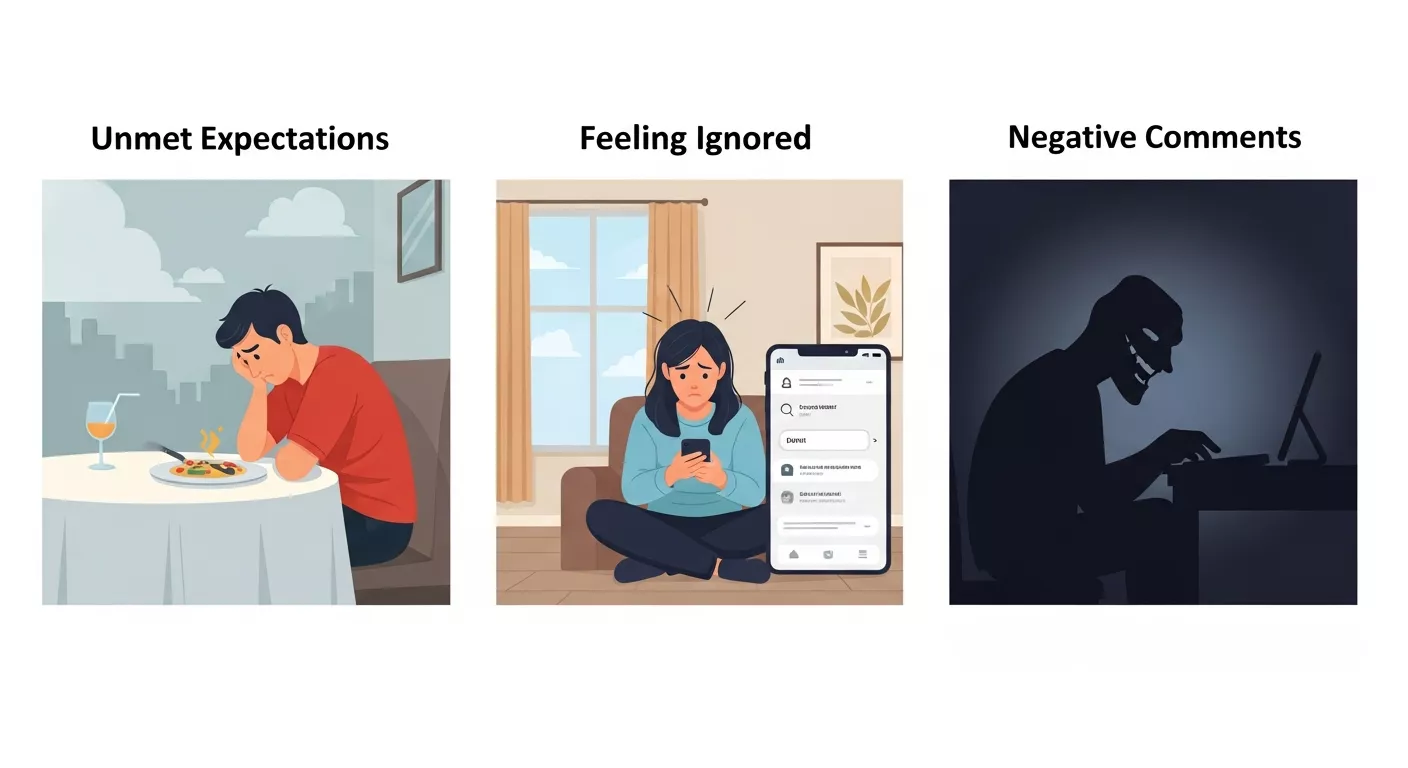
To handle criticism effectively, you first need to understand where it comes from. Not all negative comments are born equal. Understanding the motivation behind the feedback allows you to tailor your response.
Unmet Expectations
Most negative comments come from genuine disappointment. A customer expected a certain level of quality, speed, or service, and reality fell short. These people aren’t necessarily trying to destroy your business; they are expressing frustration. They want to be heard, and often, they want a solution.
Feeling Ignored
Sometimes, the comment is a last resort. If a customer tried to email support or call your office and received no answer, they will take their grievance public. These comments are often angrier because the customer feels they have been forced to make a scene just to get attention.
Trolls and Malicious Intent
Unfortunately, some negativity is not constructive. Trolls, bots, or even unscrupulous competitors may leave comments designed solely to damage your reputation. Identifying the difference between a legitimate grievance and a malicious attack is crucial because your strategy for handling them will differ significantly.
Strategies for Managing Negative Comments
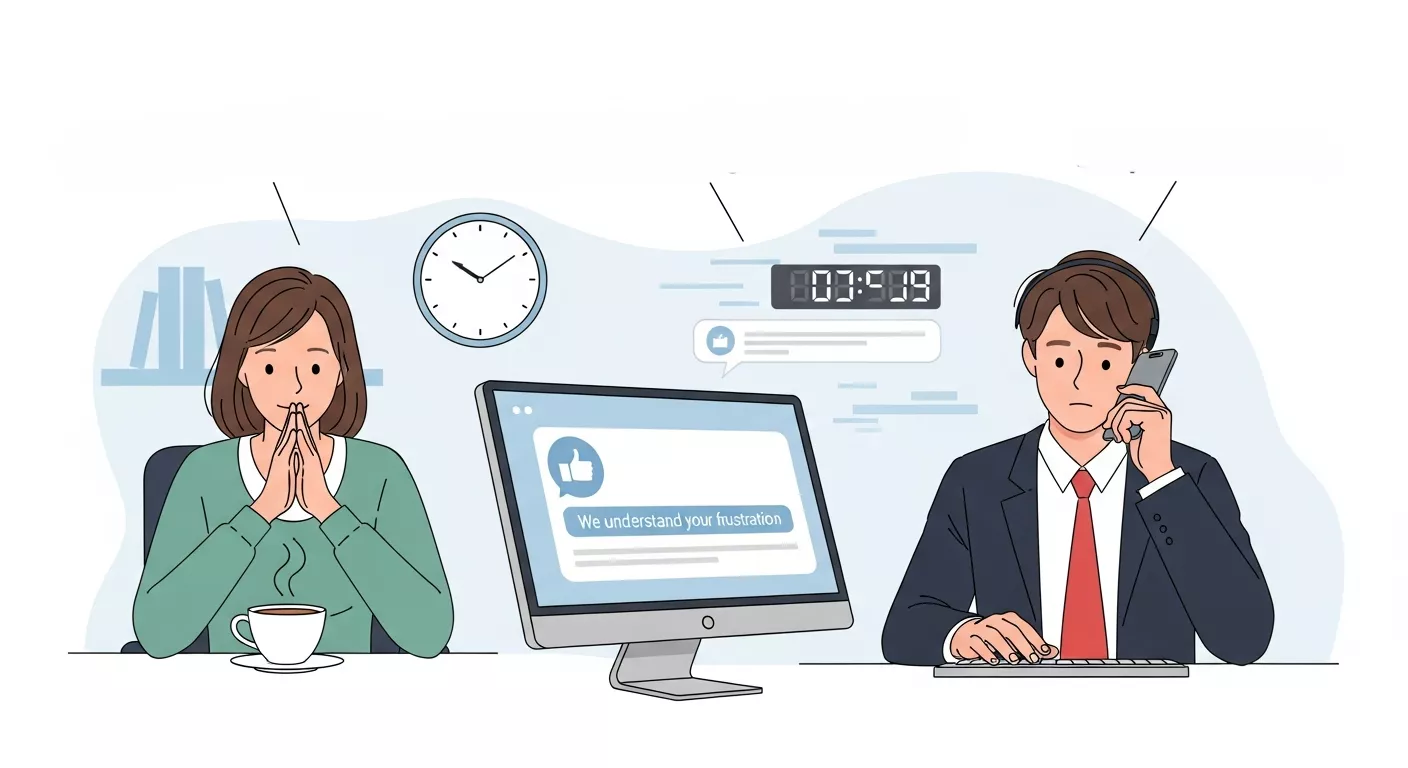
Panic is your enemy. When you see a negative comment, take a deep breath. Implementing a structured approach to reputation management ensures you don’t make the situation worse.
Stay Calm and Objective
The “24-hour rule” is famous for a reason, though in the digital world, you might not have that long. However, taking even twenty minutes to cool down is essential. Never reply when you are angry. An emotional, defensive response will almost always go viral for the wrong reasons. Look at the comment objectively: Is there truth to it? Is there a lesson here?
Acknowledge the Concern
The first step in your reply should always be validation. You don’t have to agree with their version of events to acknowledge their feelings. Phrases like “We understand your frustration” or “We are sorry to hear you had this experience” go a long way. This disarms the situation and shows other readers that you are empathetic.
Respond Promptly
Speed matters. A complaint left to fester for weeks looks like negligence. Aim to respond to negative feedback within 24 to 48 hours. This shows that you are active, attentive, and that you prioritize customer satisfaction.
Take the Conversation Offline
This is the golden rule of damage control. You do not want to have a long, drawn-out argument in a public comment section. Your goal is to move the interaction to a private channel—email, direct message, or a phone call—where you can resolve the issue without an audience.
Offer Solutions
Don’t just offer platitudes; offer a fix. Whether it’s a refund, a replacement, or simply a promise to investigate the internal error, showing that you are taking action is powerful. It converts a negative situation into a demonstration of your problem-solving abilities.
How to Respond to Negative Comments Professionally
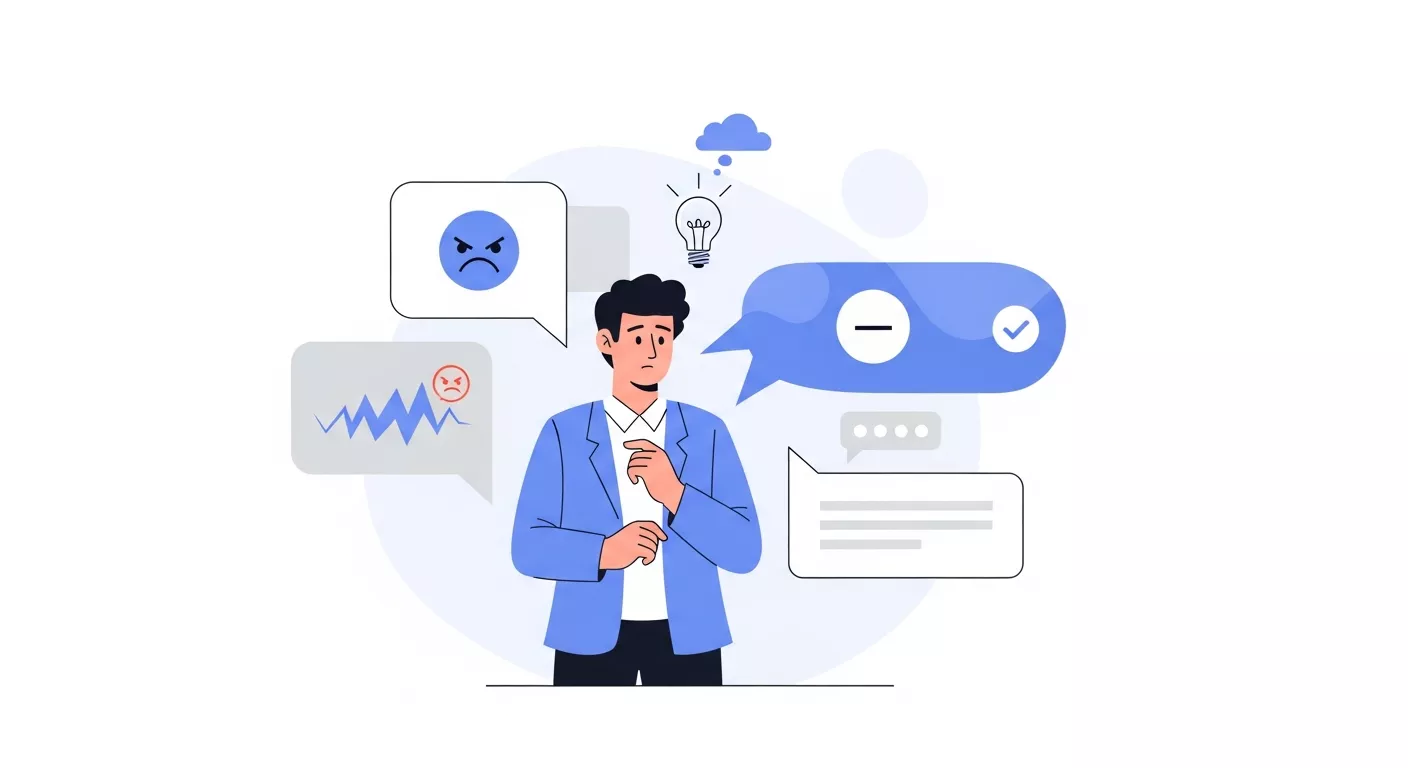
The “how” is just as important as the “what.” Your tone needs to strike a balance between professional firmness and human warmth.
Watch Your Tone and Language
Avoid corporate jargon. People want to talk to people, not robots. However, maintain professionalism. Avoid sarcasm, passive-aggressive remarks, or accusing the customer of lying, even if you think they are wrong. Your reply is written for the audience (future customers) as much as it is for the commenter.
Personalize Your Response
Copy-pasting the same generic “We are sorry for the inconvenience” message to every bad review looks lazy and insincere. Use the commenter’s name. Reference specific details from their complaint. This proves you actually read their feedback and aren’t just going through the motions.
Bad Response: “Dear Customer, we apologise. Contact support.”
Good Response: “Hi Sarah, we’re so sorry the delivery arrived late for your anniversary dinner. We understand how important that evening was.”
Highlight Positive Actions
Use your response to showcase your standards. If someone complains about cleanliness, you can say, “We pride ourselves on our hygiene standards and have scheduled an immediate retraining for our cleaning staff.” This reassures potential customers that the issue is being handled systemically.
How to Remove Negative Comments Online
There is a common misconception that you can simply delete anything you don’t like. On most third-party platforms like Google, Yelp, or TripAdvisor, you cannot delete a review just because it’s negative. However, there are specific circumstances where removal is possible.
When Removal is Necessary
If a comment violates the platform’s terms of service, you have grounds for removal. This includes:
- Hate speech or profanity: Comments containing slurs or offensive language.
- Conflict of interest: Reviews written by current or former employees, or competitors.
- Spam: Irrelevant promotional content or gibberish.
- Defamation: Proven false statements intended to harm.
Legal and Ethical Considerations
You must be careful not to silence legitimate criticism. Doing so can lead to a phenomenon known as the “Streisand Effect,” where attempting to hide information only draws more attention to it. Focus on removing comments that are genuinely abusive or fraudulent.
Engage a Reputation Management Service
Navigating the removal process can be tedious and legally complex. Platforms often require specific evidence and repeated follow-ups to take down a review. This is where a service like SanMo AE becomes invaluable. Their team understands the specific terms of service for every major platform and knows exactly how to phrase removal requests to maximize success rates. They can handle the bureaucracy while you focus on running your business.
Building a Positive Reputation to Minimize Negative Comments
The best defense is a good offense. If you have five hundred 5-star reviews, one 1-star review won’t make a dent. Reputation management isn’t just about fighting fires; it’s about fireproofing your house.
Proactive Reputation Management
Don’t wait for a crisis to start managing your brand. actively monitor what is being said about you. Set up Google Alerts for your brand name. Regularly check your social media mentions. Catching a grumble early prevents it from becoming a shout.
Encourage Happy Customers to Leave Reviews
Most satisfied customers stay silent, while unhappy ones are loud. You need to mobilize your happy base. actively ask for reviews after a successful transaction. Send follow-up emails saying, “We loved working with you! If you were happy with our service, would you mind leaving us a review?” A flood of positivity dilutes the occasional negative comment.
Create Consistent, Quality Content
Publishing high-quality content—blogs, videos, press releases—helps you control the search results for your name. When someone Googles your business, you want them to see your helpful articles and success stories, not a complaints board. Consistent content builds authority and trust, making your reputation more resilient to attacks.
When to Seek Professional Help for Reputation Management
There comes a point where DIY management isn’t enough. Maybe you are facing a coordinated attack from bots, or perhaps a past mistake is haunting your SEO results and refusing to go away.
The Role of Reputation Management Services
Agencies like SanMo AE specialize in diagnosing and treating reputation health. They don’t just reply to comments; they build a comprehensive strategy to overhaul your online presence. This is particularly important for high-profile individuals or large corporations in the UAE, where reputation is closely tied to local standing and trust.
Expertise and Tools
Professionals have access to monitoring tools that the average business owner does not. They can track sentiment analysis across the web, identifying trends in feedback that you might miss. They also have legal and SEO experts on staff who can work to suppress negative search results and elevate positive assets, effectively “cleaning” your digital footprint.
Success Stories
In the UAE, businesses facing sudden PR crises have turned to SanMo AE to turn the tide. By implementing rigorous content strategies and effectively contesting defamatory content, these businesses have restored their star ratings and regained customer confidence. Professional help is an investment in your brand’s longevity.
Taking Control of Your Narrative
Handling negative comments is uncomfortable, but it is a necessary skill for modern success. Every business will face criticism eventually. The difference between a brand that crumbles and one that thrives lies in the response.
By staying calm, responding with empathy, and knowing when to take conversations offline, you can defuse most situations. For the more complex issues—the stubborn reviews, the malicious attacks, or the need for a total brand cleanup—partnering with experts is the smartest move.
SanMo AE provides the shield and the strategy you need to ensure your online image reflects the true quality of your business. Their reputation management solutions in the UAE are designed to protect the reputation you have worked so hard to build.
Frequently Asked Questions (FAQ)
1. What is online reputation management?
Online reputation management refers to the process of monitoring, influencing, and improving your online reputation. It involves addressing negative comments, promoting positive feedback, and making strategic efforts to improve how your business or personal brand is perceived online.
2. How can negative comments affect my business?
Negative comments can erode trust and discourage potential customers from engaging with your business. A single negative review or comment, if left unresolved, can damage your reputation, leading to a decline in customer loyalty and, in some cases, a drop in revenue. However, responding properly can mitigate the impact and even strengthen your brand.
3. How should I respond to a negative comment online?
Start by staying calm and avoiding emotional responses. Acknowledge the concern, apologize if necessary, and offer a solution. It’s important to take the conversation offline if the issue is complex. Keep your tone professional and empathetic, and always try to resolve the matter quickly.
4. Can I remove a negative comment or review?
In some cases, yes. Comments or reviews that violate platform policies (hate speech, spam, defamatory content) can be flagged for removal. However, it’s crucial to understand that you cannot delete a review simply because it’s negative. You can report it to the platform if it breaches terms of service, or you may need professional help to navigate the removal process.
5. Should I ignore negative comments?
Ignoring negative comments is usually not advisable. Failing to respond may make your business appear unresponsive or uncaring. Timely, empathetic responses show your customers that you value their feedback and are committed to improving your services.
6. What if I’m dealing with malicious comments or trolls?
Malicious comments or trolls are tricky. If the comment is genuinely defamatory or false, you can report it to the platform for removal. In some cases, engaging with trolls may only escalate the situation. It’s often best to ignore them or move the conversation to a private channel where possible.
7. How can I prevent negative comments from affecting my reputation?
Proactive reputation management is key. Regularly monitor mentions of your brand, encourage positive reviews, and always provide excellent customer service. Consistently posting quality content can also help improve your reputation, making it more resilient to negative comments.
8. When should I hire a reputation management service?
If negative comments are overwhelming your ability to respond, or if you are dealing with a coordinated attack (such as fake reviews or spam), it’s time to consider hiring a professional reputation management service. Agencies like SanMo AE specialize in handling complex reputation issues and can help restore your brand’s image effectively.
9. How can SanMo AE help with reputation management?
SanMo AE is a leading reputation management service provider in the UAE. They offer a comprehensive range of services, including monitoring your online presence, responding to negative comments, removing defamatory content, and building a strategy to enhance your brand’s digital image. They can help you navigate the complexities of reputation management and ensure your online presence is protected.
10. What are the benefits of responding to negative comments?
Responding to negative comments shows your audience that you care about their feedback and are committed to resolving issues. It can help turn a negative experience into a positive one, improve customer loyalty, and even demonstrate your dedication to quality service to potential customers.
Take Control of Your Reputation Today!
Negative comments can have a lasting impact on your brand, but with the right approach, they don’t have to define your business. If you’re dealing with negative reviews or online feedback, it’s time to act.
Partner with SanMo AE for expert reputation management and ensure that your online image reflects the true quality of your business. Let us help you turn negativity into opportunity.
Start Protecting Your Reputation Now

How to Handle Negative Comments: A Guide to Reputation Management
It starts with a notification. Your phone buzzes, you glance at the screen, and your stomach drops. Someone has left a scathing review on your Google profile, or perhaps a long, angry comment on your latest Instagram post.
Your immediate instinct might be to delete it, hide it, or fire back a defensive reply. But in the world of online business, how you react to criticism often defines your brand more than the criticism itself.
Online reputation management is no longer optional. A single viral negative comment can undo years of hard work, eroding trust and driving potential customers to your competitors. However, when handled correctly, a negative comment can actually be an opportunity to demonstrate your professionalism, empathy, and commitment to customer satisfaction.
This guide explores the strategies you need to navigate the tricky waters of online feedback. We will look at why people complain, how to respond effectively, and when you need to bring in experts like Apologising—the premier reputation management service provider in the UAE—to help protect your good name.
The Impact of Negative Comments on Reputation
The internet acts as a megaphone. Before social media, an unhappy customer might tell five friends about a bad experience. Now, they can tell five thousand strangers in seconds. Platforms like Twitter, Facebook, TripAdvisor, and Google Reviews amplify voices, making every piece of feedback public record.
The Ripple Effect on Trust and Revenue
The consequences of ignoring or mishandling these comments are tangible. Trust is a fragile currency. Potential customers researching your brand are looking for reasons to buy from you, but they are also looking for red flags. A string of unanswered complaints or rude rebuttals signals that a business does not care about its clientele.
This loss of trust directly impacts your bottom line. Studies consistently show that a drop in star ratings correlates with a drop in revenue. For personal brands and influencers, the stakes are even higher. Your reputation is your product. If that reputation is tarnished by unaddressed allegations or negativity, sponsorship deals and collaborations can evaporate overnight.
Real-World Consequences
Consider the difference between the two restaurants. Restaurant A receives a complaint about cold food. They ignore it. A week later, another customer sees that review, assumes the kitchen is sloppy, and goes elsewhere. Restaurant B receives the same complaint. They reply within an hour, apologising and offering a free meal to make it right. The original poster updates their review to praise the customer service, and new customers see a business that takes accountability.
Why People Leave Negative Comments
To handle criticism effectively, you first need to understand where it comes from. Not all negative comments are born equal. Understanding the motivation behind the feedback allows you to tailor your response.
Unmet Expectations
Most negative comments come from genuine disappointment. A customer expected a certain level of quality, speed, or service, and reality fell short. These people aren’t necessarily trying to destroy your business; they are expressing frustration. They want to be heard, and often, they want a solution.
Feeling Ignored
Sometimes, the comment is a last resort. If a customer tried to email support or call your office and received no answer, they will take their grievance public. These comments are often angrier because the customer feels they have been forced to make a scene just to get attention.
Trolls and Malicious Intent
Unfortunately, some negativity is not constructive. Trolls, bots, or even unscrupulous competitors may leave comments designed solely to damage your reputation. Identifying the difference between a legitimate grievance and a malicious attack is crucial because your strategy for handling them will differ significantly.
Strategies for Managing Negative Comments
Panic is your enemy. When you see a negative comment, take a deep breath. Implementing a structured approach to reputation management ensures you don’t make the situation worse.
Stay Calm and Objective
The “24-hour rule” is famous for a reason, though in the digital world, you might not have that long. However, taking even twenty minutes to cool down is essential. Never reply when you are angry. An emotional, defensive response will almost always go viral for the wrong reasons. Look at the comment objectively: Is there truth to it? Is there a lesson here?
Acknowledge the Concern
The first step in your reply should always be validation. You don’t have to agree with their version of events to acknowledge their feelings. Phrases like “We understand your frustration” or “We are sorry to hear you had this experience” go a long way. This disarms the situation and shows other readers that you are empathetic.
Respond Promptly
Speed matters. A complaint left to fester for weeks looks like negligence. Aim to respond to negative feedback within 24 to 48 hours. This shows that you are active, attentive, and that you prioritize customer satisfaction.
Take the Conversation Offline
This is the golden rule of damage control. You do not want to have a long, drawn-out argument in a public comment section. Your goal is to move the interaction to a private channel—email, direct message, or a phone call—where you can resolve the issue without an audience.
Offer Solutions
Don’t just offer platitudes; offer a fix. Whether it’s a refund, a replacement, or simply a promise to investigate the internal error, showing that you are taking action is powerful. It converts a negative situation into a demonstration of your problem-solving abilities.
How to Respond to Negative Comments Professionally
The “how” is just as important as the “what.” Your tone needs to strike a balance between professional firmness and human warmth.
Watch Your Tone and Language
Avoid corporate jargon. People want to talk to people, not robots. However, maintain professionalism. Avoid sarcasm, passive-aggressive remarks, or accusing the customer of lying, even if you think they are wrong. Your reply is written for the audience (future customers) as much as it is for the commenter.
Personalize Your Response
Copy-pasting the same generic “We are sorry for the inconvenience” message to every bad review looks lazy and insincere. Use the commenter’s name. Reference specific details from their complaint. This proves you actually read their feedback and aren’t just going through the motions.
Bad Response: “Dear Customer, we apologise. Contact support.”
Good Response: “Hi Sarah, we’re so sorry the delivery arrived late for your anniversary dinner. We understand how important that evening was.”
Highlight Positive Actions
Use your response to showcase your standards. If someone complains about cleanliness, you can say, “We pride ourselves on our hygiene standards and have scheduled an immediate retraining for our cleaning staff.” This reassures potential customers that the issue is being handled systemically.
How to Remove Negative Comments Online
There is a common misconception that you can simply delete anything you don’t like. On most third-party platforms like Google, Yelp, or TripAdvisor, you cannot delete a review just because it’s negative. However, there are specific circumstances where removal is possible.
When Removal is Necessary
If a comment violates the platform’s terms of service, you have grounds for removal. This includes:
Legal and Ethical Considerations
You must be careful not to silence legitimate criticism. Doing so can lead to a phenomenon known as the “Streisand Effect,” where attempting to hide information only draws more attention to it. Focus on removing comments that are genuinely abusive or fraudulent.
Engage a Reputation Management Service
Navigating the removal process can be tedious and legally complex. Platforms often require specific evidence and repeated follow-ups to take down a review. This is where a service like SanMo AE becomes invaluable. Their team understands the specific terms of service for every major platform and knows exactly how to phrase removal requests to maximize success rates. They can handle the bureaucracy while you focus on running your business.
Building a Positive Reputation to Minimize Negative Comments
The best defense is a good offense. If you have five hundred 5-star reviews, one 1-star review won’t make a dent. Reputation management isn’t just about fighting fires; it’s about fireproofing your house.
Proactive Reputation Management
Don’t wait for a crisis to start managing your brand. actively monitor what is being said about you. Set up Google Alerts for your brand name. Regularly check your social media mentions. Catching a grumble early prevents it from becoming a shout.
Encourage Happy Customers to Leave Reviews
Most satisfied customers stay silent, while unhappy ones are loud. You need to mobilize your happy base. actively ask for reviews after a successful transaction. Send follow-up emails saying, “We loved working with you! If you were happy with our service, would you mind leaving us a review?” A flood of positivity dilutes the occasional negative comment.
Create Consistent, Quality Content
Publishing high-quality content—blogs, videos, press releases—helps you control the search results for your name. When someone Googles your business, you want them to see your helpful articles and success stories, not a complaints board. Consistent content builds authority and trust, making your reputation more resilient to attacks.
When to Seek Professional Help for Reputation Management
There comes a point where DIY management isn’t enough. Maybe you are facing a coordinated attack from bots, or perhaps a past mistake is haunting your SEO results and refusing to go away.
The Role of Reputation Management Services
Agencies like SanMo AE specialize in diagnosing and treating reputation health. They don’t just reply to comments; they build a comprehensive strategy to overhaul your online presence. This is particularly important for high-profile individuals or large corporations in the UAE, where reputation is closely tied to local standing and trust.
Expertise and Tools
Professionals have access to monitoring tools that the average business owner does not. They can track sentiment analysis across the web, identifying trends in feedback that you might miss. They also have legal and SEO experts on staff who can work to suppress negative search results and elevate positive assets, effectively “cleaning” your digital footprint.
Success Stories
In the UAE, businesses facing sudden PR crises have turned to SanMo AE to turn the tide. By implementing rigorous content strategies and effectively contesting defamatory content, these businesses have restored their star ratings and regained customer confidence. Professional help is an investment in your brand’s longevity.
Taking Control of Your Narrative
Handling negative comments is uncomfortable, but it is a necessary skill for modern success. Every business will face criticism eventually. The difference between a brand that crumbles and one that thrives lies in the response.
By staying calm, responding with empathy, and knowing when to take conversations offline, you can defuse most situations. For the more complex issues—the stubborn reviews, the malicious attacks, or the need for a total brand cleanup—partnering with experts is the smartest move.
SanMo AE provides the shield and the strategy you need to ensure your online image reflects the true quality of your business. Their reputation management solutions in the UAE are designed to protect the reputation you have worked so hard to build.
Frequently Asked Questions (FAQ)
1. What is online reputation management?
Online reputation management refers to the process of monitoring, influencing, and improving your online reputation. It involves addressing negative comments, promoting positive feedback, and making strategic efforts to improve how your business or personal brand is perceived online.
2. How can negative comments affect my business?
Negative comments can erode trust and discourage potential customers from engaging with your business. A single negative review or comment, if left unresolved, can damage your reputation, leading to a decline in customer loyalty and, in some cases, a drop in revenue. However, responding properly can mitigate the impact and even strengthen your brand.
3. How should I respond to a negative comment online?
Start by staying calm and avoiding emotional responses. Acknowledge the concern, apologize if necessary, and offer a solution. It’s important to take the conversation offline if the issue is complex. Keep your tone professional and empathetic, and always try to resolve the matter quickly.
4. Can I remove a negative comment or review?
In some cases, yes. Comments or reviews that violate platform policies (hate speech, spam, defamatory content) can be flagged for removal. However, it’s crucial to understand that you cannot delete a review simply because it’s negative. You can report it to the platform if it breaches terms of service, or you may need professional help to navigate the removal process.
5. Should I ignore negative comments?
Ignoring negative comments is usually not advisable. Failing to respond may make your business appear unresponsive or uncaring. Timely, empathetic responses show your customers that you value their feedback and are committed to improving your services.
6. What if I’m dealing with malicious comments or trolls?
Malicious comments or trolls are tricky. If the comment is genuinely defamatory or false, you can report it to the platform for removal. In some cases, engaging with trolls may only escalate the situation. It’s often best to ignore them or move the conversation to a private channel where possible.
7. How can I prevent negative comments from affecting my reputation?
Proactive reputation management is key. Regularly monitor mentions of your brand, encourage positive reviews, and always provide excellent customer service. Consistently posting quality content can also help improve your reputation, making it more resilient to negative comments.
8. When should I hire a reputation management service?
If negative comments are overwhelming your ability to respond, or if you are dealing with a coordinated attack (such as fake reviews or spam), it’s time to consider hiring a professional reputation management service. Agencies like SanMo AE specialize in handling complex reputation issues and can help restore your brand’s image effectively.
9. How can SanMo AE help with reputation management?
SanMo AE is a leading reputation management service provider in the UAE. They offer a comprehensive range of services, including monitoring your online presence, responding to negative comments, removing defamatory content, and building a strategy to enhance your brand’s digital image. They can help you navigate the complexities of reputation management and ensure your online presence is protected.
10. What are the benefits of responding to negative comments?
Responding to negative comments shows your audience that you care about their feedback and are committed to resolving issues. It can help turn a negative experience into a positive one, improve customer loyalty, and even demonstrate your dedication to quality service to potential customers.
Take Control of Your Reputation Today!
Negative comments can have a lasting impact on your brand, but with the right approach, they don’t have to define your business. If you’re dealing with negative reviews or online feedback, it’s time to act.
Partner with SanMo AE for expert reputation management and ensure that your online image reflects the true quality of your business. Let us help you turn negativity into opportunity.
Start Protecting Your Reputation Now
Newsletter
Popular Categories
Latest Post