
It’s never been more important to keep up a strong, positive brand presence. Social networking, online reviews, and numerous digital point of sale devices, no matter where you go, the world is out there looking at you. But how can you even tell what people are saying about your business? Enter the world of brand monitoring services.
In this blog, we will delve into how brand monitoring can help, why it can be a game-changer for your business, and how you can do it successfully with the right tools of today. And we’ll feature inspirational real-life success stories, as well as a deep dive into a comprehensive comparison of the best brand monitoring services out there.
What Is Brand Monitoring and Why Does It Matter?
Brand monitoring is the process of testing everything that is said about your brand and judging the competency of your Internet marketing. This is more than just looking for your company name. That consists of tracking relevant keywords, industry trends, your competitors, and even how people are responding to your content.
For businesses, too, it’s crucial, since a single online encounter can have a ripple effect. Bad ones that go unanswered can ruin your reputation, while good referrals can offer priceless information on what you’re doing right. Hearing what’s being said provides companies with the opportunity to evolve and continue to manipulate their brand image.
Key Benefits of Using Brand Monitoring Services
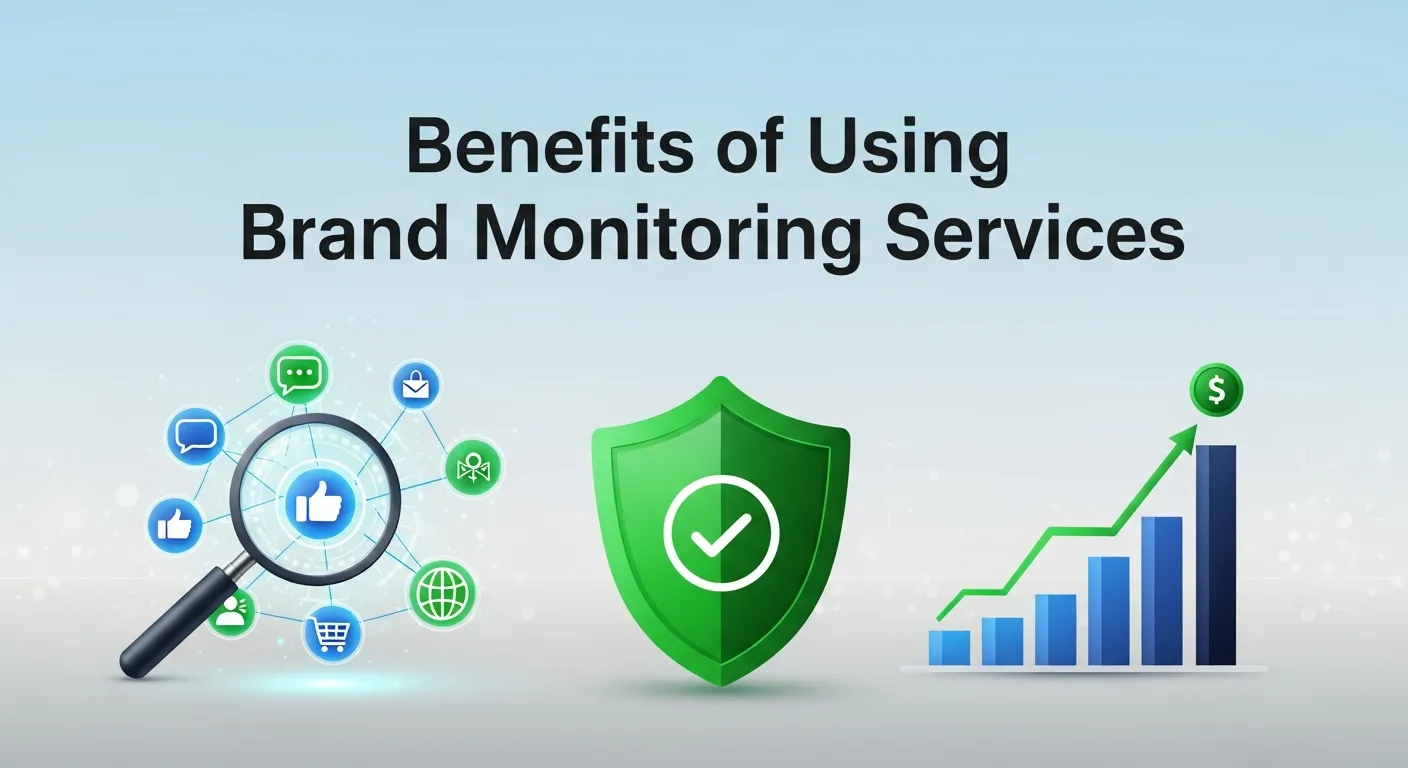
Investing in brand monitoring provides businesses with real-time visibility into how their brand is perceived online. In today’s fast-paced digital environment, staying informed is critical to protecting your reputation, improving customer relationships, and gaining a competitive edge.
1. Reputation Management
Brand monitoring allows businesses to track mentions across social media, news websites, blogs, forums, and review platforms. By identifying negative feedback or misinformation early, companies can respond promptly, minimize reputational damage, and maintain a positive brand image. Proactive reputation management builds trust and credibility with both existing and potential customers.
2. Customer Insights
One of the most valuable benefits of brand monitoring services is access to unfiltered customer opinions. Monitoring conversations reveals what customers genuinely like or dislike about your products, services, and overall brand experience. These insights help businesses refine their offerings, improve customer satisfaction, and create marketing messages that resonate with their target audience.
3. Competitive Advantage
Effective brand monitoring goes beyond tracking your own brand—it also includes monitoring competitors. By analyzing competitor mentions, campaigns, and customer sentiment, businesses can identify market gaps and opportunities. Understanding where competitors succeed or fail enables you to position your brand more strategically and stay ahead in the market.
4. Crisis Detection and Prevention
Online crises can escalate rapidly if left unmanaged. Brand monitoring tools detect sudden spikes in negative sentiment, viral complaints, or controversial discussions before they spiral out of control. Early detection allows businesses to address issues proactively, manage public communication effectively, and prevent long-term brand damage.
5. Discover Influencers and Brand Advocates
Through brand monitoring, businesses can identify individuals who frequently mention or engage positively with their brand. These users may include industry influencers, loyal customers, or brand advocates. Partnering with them can strengthen brand credibility, expand reach, and amplify marketing efforts organically.
Essential Features to Look for in a Brand Monitoring Tool
Choosing the right brand monitoring tool is essential for maximizing results. A powerful solution should provide comprehensive coverage, actionable insights, and ease of use.
1. Real-Time Alerts
Real-time alerts are a core feature of effective brand monitoring services. Immediate notifications about mentions, reviews, or trending discussions allow businesses to respond quickly, engage with audiences, and manage potential issues before they escalate.
2. Sentiment Analysis
Advanced brand monitoring tools use sentiment analysis to evaluate whether mentions are positive, negative, or neutral. This feature helps businesses measure public perception, track changes in sentiment over time, and assess the impact of marketing or PR campaigns.
3. Customizable Monitoring
A reliable brand monitoring solution should allow customization of keywords, brand names, product terms, competitors, hashtags, and industry topics. Custom monitoring ensures you capture relevant conversations and avoid irrelevant noise.
4. Multi-Platform Integration
Effective brand monitoring requires visibility across multiple platforms, including social media, blogs, news outlets, forums, and review sites. A tool with multi-platform integration provides a holistic view of your brand’s online presence.
5. Comprehensive Reporting and Analytics
In-depth reports and analytics are vital for turning brand monitoring data into actionable insights. Look for tools that offer clear dashboards, trend analysis, share of voice metrics, and exportable reports to support data-driven decision-making.
6. Ease of Use and Accessibility
A user-friendly interface ensures that teams can easily navigate dashboards, interpret data, and take action. The best brand monitoring tools combine powerful features with simplicity, making them accessible for marketing, PR, and customer service teams alike.
How Brand Monitoring Supports Smarter Business Decisions
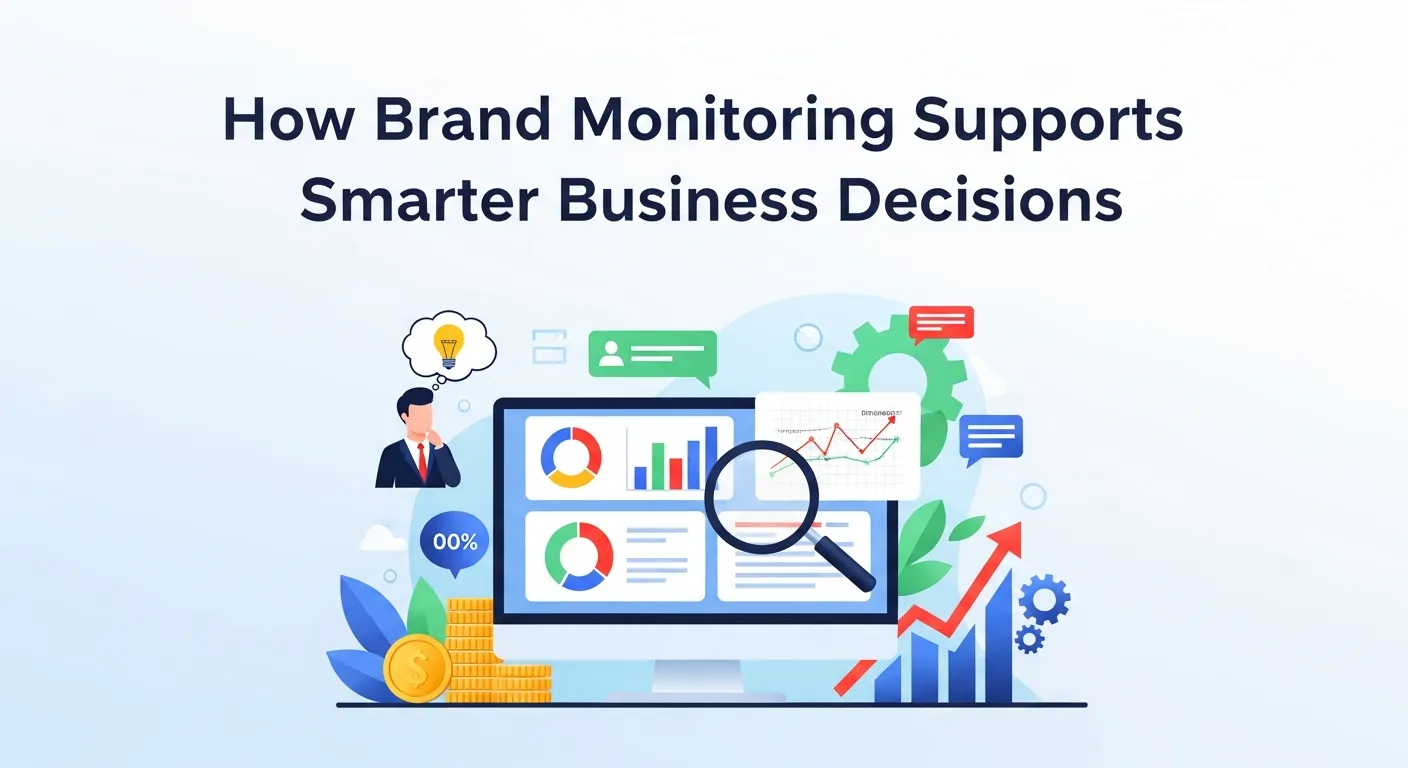
Effective brand monitoring helps businesses make informed decisions by transforming online conversations into actionable insights. By continuously tracking brand mentions, sentiment, and engagement across digital platforms, companies can better understand market behavior, customer expectations, and emerging trends. Instead of relying on assumptions, brand monitoring provides real data that supports strategic planning and long-term growth.
Key Ways Brand Monitoring Informs Decision-Making
- Identifies shifts in customer sentiment before they impact brand reputation
- Highlights recurring customer pain points and expectations
- Reveals emerging industry trends and discussion topics
- Helps evaluate the impact of marketing and PR campaigns
- Provides comparative insights against competitors
These insights enable businesses to respond proactively and refine strategies based on real-world feedback.
Common Brand Monitoring Insights and Their Business Use
| Brand Monitoring Insight | What It Indicates | How Businesses Use It |
|---|---|---|
| Increase in Brand Mentions | Rising awareness or recent campaign activity | Measure brand visibility and campaign reach |
| Sentiment Changes | Improvement or decline in public perception | Adjust messaging or customer communication |
| Repeated Customer Complaints | Product or service issues | Improve product quality or customer support |
| Platform-Specific Mentions | Where audiences discuss the brand most | Focus engagement on high-impact channels |
| Competitor Mention Trends | Changes in competitor visibility | Identify market opportunities or threats |
| Content Engagement Patterns | What topics generate interaction | Optimize content and marketing strategies |
A Step-by-Step Guide to Setting Up Brand Monitoring
Implementing brand monitoring effectively requires a clear strategy and the right approach. Following these steps will help you track your brand’s online presence, understand audience sentiment, and make informed business decisions.
1. Define Your Goals
The first step in setting up brand monitoring is identifying what you want to achieve. Your goals will shape the tools you use and the data you track.
Common objectives include:
- Protecting and improving brand reputation
- Tracking customer sentiment and feedback
- Identifying emerging market trends
- Monitoring competitors and industry conversations
Clear goals ensure your brand monitoring strategy remains focused and measurable.
2. Choose the Right Brand Monitoring Tool
Once your goals are defined, select a brand monitoring tool that aligns with them. Popular platforms such as Brand24, Mention, and Hootsuite Insights offer features like real-time alerts, sentiment analysis, and multi-platform coverage.
When choosing a tool, consider:
- Coverage across social media, news, blogs, and forums
- Reporting and analytics capabilities
- Ease of use and scalability
The right tool will make brand monitoring more efficient and actionable.
3. Set Keywords and Alerts
Keyword configuration is the backbone of effective brand monitoring. Start by tracking:
- Your brand name and variations
- Product or service names
- Competitor names
- Industry-specific keywords and hashtags
Setting up real-time alerts ensures you’re immediately notified when your brand is mentioned, allowing you to respond quickly to opportunities or potential issues.
4. Analyze Data and Identify Trends
Collecting data is only valuable if it’s analyzed properly. Use your brand monitoring service to identify patterns such as:
- Spikes in mentions
- Shifts in sentiment
- Frequently discussed topics or pain points
These insights help you detect emerging trends, anticipate crises, and uncover opportunities for engagement or growth.
5. Engage With Your Audience
Active engagement is a critical part of successful brand monitoring. Responding promptly to customer reviews, comments, and questions shows that your brand values feedback and listens to its audience.
Timely responses can:
- Improve customer trust and loyalty
- Turn negative experiences into positive ones
- Strengthen your brand’s online reputation
6. Adjust Strategies Based on Insights
Use insights from brand monitoring to refine your marketing, PR, and customer service strategies. If customers consistently highlight a specific issue or praise a particular feature, adjust your messaging, product development, or communication strategy accordingly. Continuous optimization ensures long-term success.
Real-Life Brand Monitoring Case Studies
Case Study 1: E-Commerce Brand Reputation Improvement
A midsize e-commerce company used Brand24 to track product reviews and customer feedback across multiple platforms. When recurring complaints about delayed shipping were identified, the company quickly improved its logistics process. As a result, positive reviews increased significantly, helping the business retain 85% of potentially dissatisfied customers and strengthen its brand reputation.
Case Study 2: SaaS Conversion Growth Through Competitive Monitoring
A SaaS company leveraged brand monitoring services using Mention to track competitor software discussions. By identifying a common customer complaint about competing products, the company adjusted its marketing messaging to emphasize how its solution addressed that pain point. This strategic shift resulted in a 25% increase in ad campaign conversions.
Maximizing Your Brand’s Potential with Brand Monitoring
In today’s digital-first business environment, brand monitoring is no longer optional—it’s essential. By consistently tracking online conversations, businesses can manage their reputation, gain valuable customer insights, and respond to opportunities faster than competitors.
The combination of the right brand monitoring tool and a proactive strategy allows your brand to stay connected to real-time digital conversations, adapt quickly, and maintain a strong competitive position.
If you’re ready to unlock the full potential of brand monitoring, exploring tools like Brand24 or Mention is a great place to start.
Ready to Strengthen Your Brand with Smart Brand Monitoring?
Don’t let online conversations define your business without your control. With SanMo AE’s Brand Monitoring services, you can track mentions, analyze sentiment, and protect your brand reputation across all major digital platforms—in real time.
From identifying potential PR risks to uncovering valuable customer insights, SanMo AE helps your business stay informed, proactive, and competitive.
Get Started with SanMo AE Today
Take control of your brand image and turn online conversations into growth opportunities.
Frequently Asked Questions: Brand Monitoring
1. What is brand monitoring?
Brand monitoring is the process of tracking mentions of your brand, products, or services across digital platforms. It helps businesses understand public perception, customer sentiment, and market trends.
2. Why is brand monitoring important for businesses?
Monitoring your brand online allows companies to manage their reputation, respond to feedback quickly, and gain insights that inform marketing, product, and customer service strategies.
3. How can brand monitoring improve customer engagement?
By identifying conversations about your brand in real time, businesses can respond to questions, comments, or complaints promptly, building trust and fostering stronger relationships with their audience.
4. Which platforms are essential for brand monitoring?
Social media platforms, blogs, forums, review websites, and news outlets are key areas to monitor. Comprehensive coverage ensures you capture all relevant mentions.
5. What are the most important metrics to track in brand monitoring?
Common metrics include brand mentions, sentiment analysis, reach, engagement, share of voice, and competitor activity. Tracking these helps you measure brand health and performance.
6. How often should a business conduct brand monitoring?
For most companies, a combination of real-time alerts and regular weekly or monthly reporting works best. This allows rapid response to issues while keeping long-term trends in view.
7. Can small businesses benefit from brand monitoring?
Yes. Even small businesses can gain significant advantages, such as improving customer service, spotting market opportunities, and protecting their reputation from negative online mentions.
8. How does SanMo AE help with brand monitoring?
SanMo AE provides comprehensive brand monitoring services that track mentions, analyze sentiment, and identify trends across multiple platforms. With their expertise, businesses can stay ahead of competitors and make informed decisions.
9. What makes SanMo AE’s brand monitoring services unique?
SanMo AE combines advanced monitoring tools with a personalized approach, offering real-time alerts, in-depth analytics, and actionable insights. Their team ensures brands respond proactively and maintain a strong online presence.
10. How can businesses get started with brand monitoring through SanMo AE?
Getting started is simple. SanMo AE helps define monitoring goals, set up the right tools, and provide ongoing reports and recommendations. This ensures your brand stays informed and can act quickly on customer feedback and market trends.