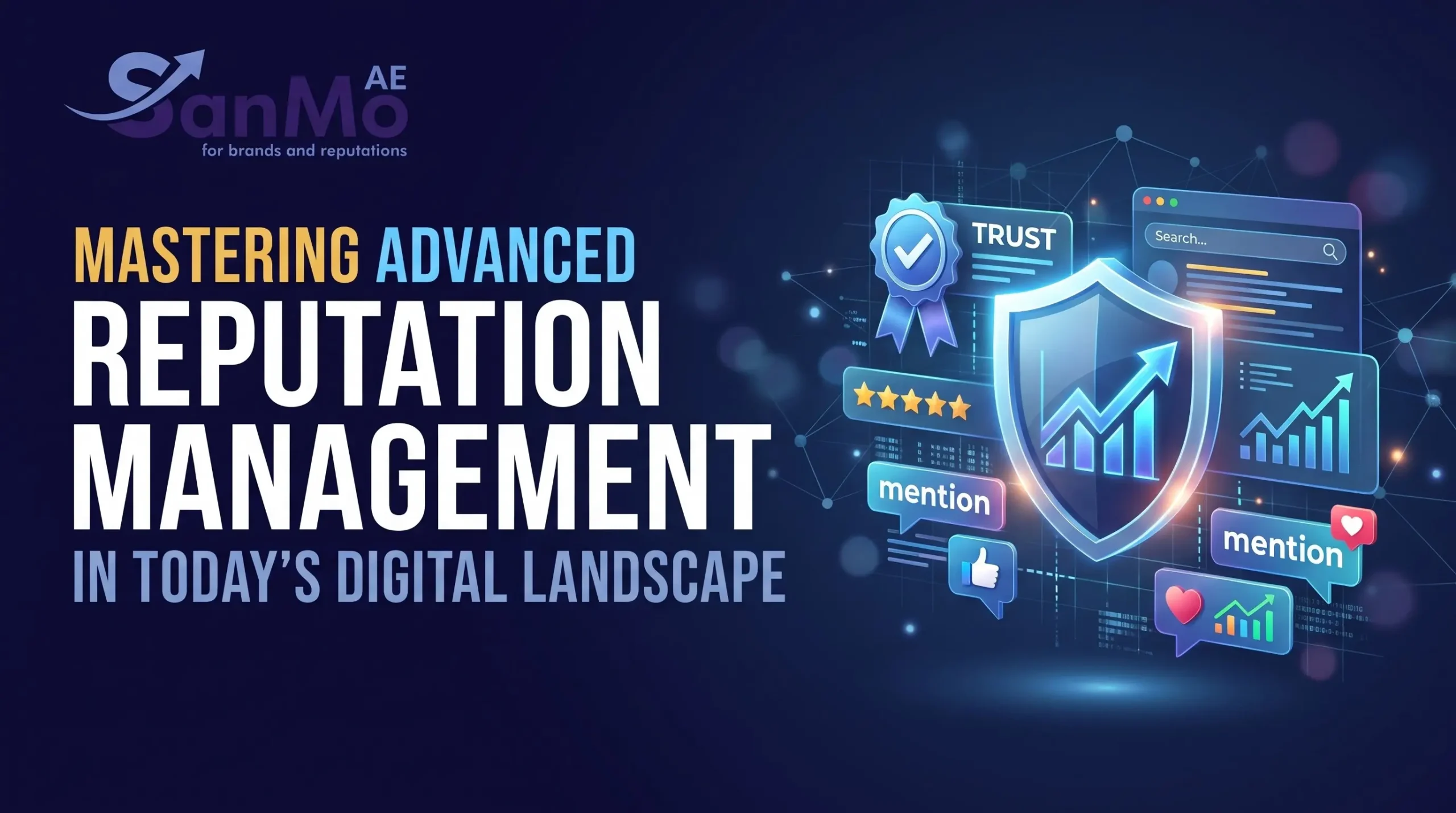
In today’s highly connected digital world, a company’s reputation can influence customer decisions, business partnerships, and long-term growth. Before purchasing products or choosing services, customers often research businesses through search engines, social media platforms, online reviews, and industry publications. A single negative experience or misleading online publication can influence public perception and create challenges for an organization’s credibility. This makes Advanced Reputation Management an essential part of modern business success.
Unlike traditional reputation management, advanced strategies involve continuous monitoring, data-driven decision-making, strategic content development, search engine optimization, and proactive communication. Businesses must understand how their brand is represented across digital platforms and take appropriate steps to maintain a trustworthy online identity.
Effective reputation management is not simply about responding to negative reviews or removing unfavorable information. It requires a comprehensive approach that combines brand monitoring, customer engagement, negative content management, and long-term reputation protection. With professional digital marketing and reputation management support from SanMo AE, businesses can strengthen their online credibility and maintain a positive brand image.
Understanding Advanced Reputation Management in the Digital Landscape
Advanced Reputation Management involves strategically monitoring, influencing, and protecting how audiences perceive a business across online platforms. It combines traditional reputation management principles with modern digital marketing techniques to address complex challenges involving customer feedback, search results, social media discussions, and online publications.
Businesses need to maintain control over their digital identity because public information can spread rapidly. A well-developed online reputation management strategy helps organizations identify potential risks, respond appropriately, and build stronger relationships with their audiences.
The Importance of Digital Brand Reputation
A strong digital reputation creates confidence among potential customers, business partners, and investors. When people discover positive reviews, informative content, and consistent brand messaging, they are more likely to consider a company trustworthy.
Effective digital brand reputation management also supports customer retention and professional credibility. Organizations that maintain a positive online presence can differentiate themselves from competitors and develop stronger relationships within their industries.
How Customer Perception Influences Business Growth
Customer perception is influenced by multiple digital touchpoints, including search engine results, social media interactions, online reviews, and published articles. These interactions collectively shape how audiences evaluate a company’s reliability.
A consistent brand perception strategy helps businesses understand customer expectations and improve communication across platforms. By addressing concerns and maintaining transparency, organizations can strengthen customer confidence and support sustainable growth.
Implement Advanced Brand Monitoring Strategies
 Monitoring your brand across digital channels is one of the most important aspects of advanced reputation management. Businesses need to understand what customers, competitors, publishers, and online communities are saying about their products and services.
A structured brand monitoring strategy helps organizations identify potential threats, evaluate public sentiment, and respond to important discussions before they create significant reputational damage.
Track Brand Mentions Across Online Platforms
Brand mentions can appear on social media networks, news websites, blogs, review directories, and discussion forums. Monitoring these platforms provides valuable information about customer experiences and public conversations.
Businesses can use Google Alerts to track newly indexed mentions of selected keywords. Professional online brand monitoring tools can provide more detailed insights into brand visibility, media coverage, and customer discussions.
Use Data to Understand Brand Sentiment
Brand sentiment analysis helps organizations understand whether online conversations are generally positive, negative, or neutral. It provides useful information about customer satisfaction and public reactions to business activities.
Through sentiment analysis, companies can identify recurring complaints, recognize positive feedback, and understand changing audience expectations. These insights help management teams make informed decisions and improve their reputation management strategies.
Strengthen Your Online Reputation Through Strategic SEO
Search engines play a major role in shaping digital reputation because they are often the first place customers search for information about a company. Businesses should ensure that accurate, relevant, and useful information is easy to discover.
Strategic reputation management SEO focuses on improving the visibility of trustworthy brand-related content through ethical optimization practices. It supports long-term search presence and helps organizations establish greater digital authority.
Optimize Brand-Related Website Content
A company’s website is one of its most important digital assets. Service pages, company information, blogs, case studies, and customer resources should communicate accurate information about the organization.
Applying on-page SEO optimization helps search engines understand the purpose and relevance of each page. Well-structured headings, descriptive meta tags, relevant keywords, and internal links contribute to a stronger website experience.
Build Authority Through Ethical Link Building
High-quality backlinks can strengthen website authority and improve search visibility. Businesses can earn relevant links through guest contributions, industry publications, expert interviews, and valuable educational content.
An ethical link building strategy focuses on relevance, credibility, and long-term value rather than acquiring large numbers of low-quality links. This approach supports sustainable SEO performance and strengthens the brand’s digital authority.
Manage Negative Content and Protect Brand Credibility
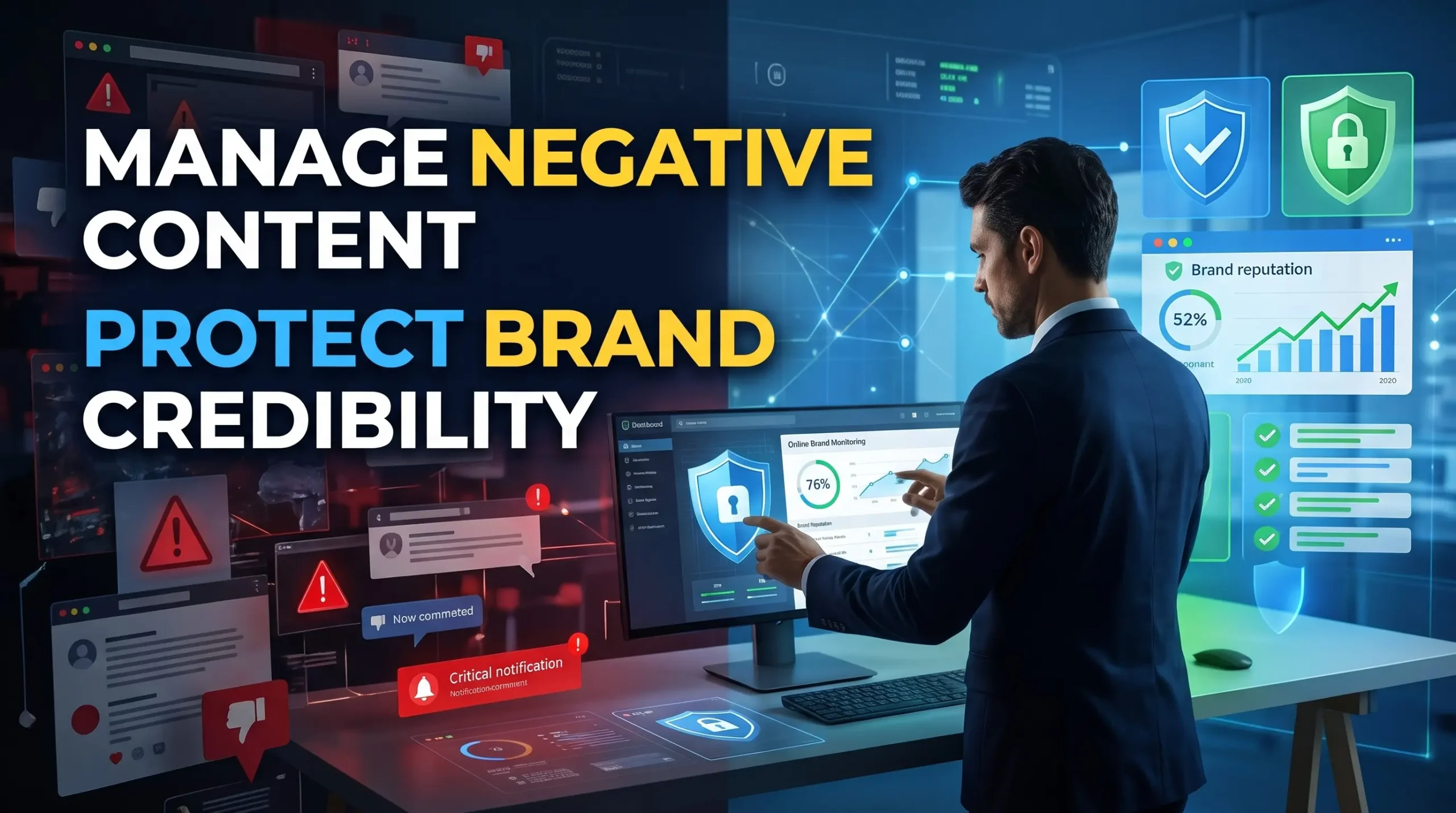 Negative online information can influence customer decisions and create challenges for businesses. Unfavorable reviews, misleading articles, inaccurate claims, and critical social media discussions require careful evaluation and appropriate responses.
A professional negative content management strategy helps organizations understand the source of harmful information and determine the most suitable response. Businesses should focus on accuracy, transparency, and responsible communication rather than attempting to suppress every criticism.
Address Negative Reviews and Customer Complaints
Negative reviews can provide valuable insights into customer experiences and service quality. Businesses should investigate complaints, acknowledge genuine concerns, and explain how they intend to resolve problems.
Professional review management helps organizations maintain consistent communication and identify recurring customer issues. Responding respectfully also demonstrates accountability and can improve how potential customers perceive the brand.
Handle Misleading and Harmful Online Information
False or misleading information may appear on websites, social media platforms, and online publications. Businesses should preserve relevant evidence, investigate the original source, and contact publishers or platforms when corrections are justified.
Effective online content removal strategies focus on information that qualifies for correction or removal under applicable policies or laws. When removal is not possible, accurate content and evidence-based responses can help address misunderstandings.
Develop a Powerful Content Marketing Strategy
Content marketing is an important part of advanced reputation management because it gives businesses opportunities to communicate their expertise and brand values. Publishing useful and relevant information helps establish authority while providing audiences with reliable resources.
A strategic content marketing strategy should focus on customer needs, industry expertise, and consistent brand messaging. Valuable content can also strengthen search visibility and support long-term reputation improvement.
Publish Educational and Industry-Related Content
Businesses should create articles, guides, research-based resources, and professional insights related to their industries. This content demonstrates expertise and helps customers understand the organization’s knowledge and capabilities.
A consistent thought leadership strategy can improve professional credibility and create opportunities for industry recognition. Publishing meaningful information also encourages audiences to engage with the brand.
Use Customer Testimonials and Case Studies
Authentic testimonials and detailed case studies provide evidence of customer experiences and business performance. They help potential customers understand how a company delivers value and addresses real-world challenges.
Effective social proof marketing strengthens trust by presenting genuine customer feedback and documented achievements. Businesses should always obtain appropriate permission before publishing customer testimonials or identifiable information.
Strengthen Social Media Reputation Management
 Social media platforms have become important channels for customer communication and brand discovery. Customers use these platforms to ask questions, share experiences, express concerns, and evaluate business credibility.
An effective social media reputation management strategy helps businesses maintain consistent communication and understand how audiences respond to their brand. Active engagement also creates opportunities to strengthen customer relationships.
Maintain Consistent Brand Communication
Different social media platforms may require different communication styles, but the central brand message should remain consistent. Businesses should maintain professional profile information, accurate service descriptions, and recognizable brand messaging.
Strong brand consistency helps audiences identify and understand the organization across digital channels. It also reduces confusion and creates a more professional online experience.
Respond to Public Discussions Professionally
Public discussions can quickly influence how people perceive a business. Companies should monitor relevant conversations and respond to genuine concerns with accurate information and respectful communication.
A structured social media engagement strategy helps organizations manage interactions and identify important customer feedback. Sensitive issues should be escalated to appropriate team members instead of being handled through emotional public arguments.
Use Technology and Analytics for Reputation Management
Modern reputation management increasingly depends on technology and data analysis. Businesses can use monitoring platforms, reporting tools, and analytical systems to understand online conversations and evaluate the effectiveness of their strategies.
Integrating reputation management analytics into business decisions helps organizations identify patterns, track progress, and respond to changing public sentiment. Technology also makes it easier to manage information across multiple digital channels.
Automate Brand Monitoring and Reporting
Monitoring multiple platforms manually can require considerable time and resources. Automated tools can help track selected keywords, identify new brand mentions, and organize important reputation-related information.
Using reputation monitoring software allows businesses to improve monitoring efficiency and identify emerging concerns. Automated alerts can also help communication teams investigate important developments more quickly.
Measure Reputation Management Performance
Businesses should evaluate whether their reputation management activities are producing meaningful improvements. Search visibility, customer sentiment, review trends, brand mentions, and engagement levels can provide useful performance indicators.
A structured reputation management report helps organizations understand progress and identify areas requiring improvement. Regular evaluation also supports better resource allocation and long-term strategic planning.
Build a Long-Term Reputation Protection Strategy
 Maintaining a positive online reputation requires continuous attention rather than occasional improvements. Businesses need to combine monitoring, SEO, content development, customer communication, and risk management to protect their digital identity.
A comprehensive brand reputation protection strategy helps organizations identify potential challenges and maintain a consistent online presence. Long-term planning also prepares businesses to respond more effectively when unexpected reputation-related incidents occur.
Establish a Proactive Reputation Management Framework
A proactive framework defines how organizations monitor their digital presence, evaluate risks, respond to feedback, and communicate with stakeholders. It should include clear responsibilities and procedures for managing different reputation challenges.
Strong proactive reputation management helps businesses address emerging concerns before they develop into larger problems. It also encourages consistent communication and responsible digital marketing practices.
Prepare for Online Reputation Crises
Unexpected incidents, negative publicity, and widespread customer complaints can create serious reputational challenges. Businesses should prepare communication guidelines and response procedures to ensure that important information is delivered accurately.
An effective online reputation crisis management strategy helps organizations respond transparently and reduce unnecessary confusion. Preparation also improves internal coordination and supports faster decision-making during difficult situations.
How SanMo AE Supports Advanced Reputation Management
Maintaining a strong online reputation requires a combination of SEO knowledge, digital marketing expertise, and consistent reputation monitoring. Businesses need strategies that address current reputation challenges while supporting long-term visibility and brand credibility.
SanMo AE focuses on digital marketing, SEO, and online reputation management solutions that help organizations strengthen their digital presence. Its expertise can support businesses looking to improve brand visibility, manage negative online information, and establish a more professional online identity.
Improve Digital Visibility With Strategic SEO
SanMo AE can support businesses through content optimization, ethical link building, and search engine optimization strategies. These activities help improve the visibility of relevant brand information and create a stronger foundation for long-term digital growth.
By focusing on valuable content and sustainable SEO practices, businesses can communicate their expertise and provide audiences with more accurate information about their services.
Protect Brand Credibility Through Professional Reputation Management
Effective reputation management requires consistent monitoring, appropriate responses, and a clear understanding of digital communication challenges. SanMo AE’s digital marketing and reputation management expertise can support organizations working to strengthen their online credibility.
Conclusion
Advanced Reputation Management has become essential for businesses operating in today’s competitive digital environment. Customer reviews, search engine results, social media discussions, and online publications all contribute to how audiences perceive a brand.
By implementing strategic brand monitoring, ethical SEO, content marketing, negative content management, and consistent customer communication, organizations can protect their digital identity and strengthen public confidence. With professional support from SanMo AE, businesses can develop sustainable digital reputation strategies, improve online visibility, and build stronger relationships with their audiences. A proactive approach to reputation management helps organizations maintain credibility and support long-term business success.
Frequently Asked Questions (FAQs)
1. What Is Advanced Reputation Management?
Advanced Reputation Management is a strategic approach to monitoring, improving, and protecting a brand’s online image. It combines SEO, content marketing, sentiment analysis, brand monitoring, and customer communication to maintain digital credibility.
2. Why Is Advanced Reputation Management Important for Businesses?
It helps businesses protect customer trust, maintain brand credibility, manage negative information, and improve their digital presence. A strong reputation can also support customer retention and business growth.
3. How Does SEO Support Reputation Management?
SEO improves the visibility of accurate and valuable brand-related content in search results. Website optimization, relevant backlinks, and informative articles help businesses establish a stronger online presence.
4. What Is Online Brand Monitoring?
Online brand monitoring involves tracking brand mentions, reviews, articles, and social media discussions across digital platforms. It helps businesses identify reputation risks and understand customer opinions.
5. How Can Businesses Manage Negative Online Reviews?
Businesses should investigate complaints, respond professionally, and provide appropriate solutions. Reviews that violate platform policies can be reported through the relevant platform’s official procedures.
6. What Is the Role of Social Media in Reputation Management?
Social media influences public perception through customer discussions, reviews, comments, and brand interactions. Active monitoring and professional communication help businesses maintain positive relationships with their audiences.
7. Can Negative Search Results Be Removed?
Some search results may qualify for removal under platform policies or applicable legal requirements. However, legitimate public information and genuine opinions cannot automatically be removed simply because they are unfavorable.
8. Which Tools Help With Advanced Reputation Management?
Google Alerts can help track new online mentions. Professional reputation monitoring platforms provide additional capabilities for tracking brand sentiment, customer reviews, media coverage, and social media discussions.
9. How Long Does Advanced Reputation Management Take?
The timeline depends on the brand’s existing online presence, competition, and reputation challenges. Some improvements may become visible within weeks, while significant reputation recovery can require several months of consistent effort.
10. How Can SanMo AE Help With Advanced Reputation Management?
SanMo AE supports businesses through digital marketing, SEO, content optimization, and online reputation management strategies. These services help organizations improve digital visibility, address reputation challenges, and strengthen brand credibility.