Building a successful online presence requires more than creating a website and publishing occasional content. Businesses need a comprehensive digital marketing strategy that improves search visibility, attracts relevant audiences, and creates opportunities for sustainable growth. Complete SEO Services help companies achieve these objectives by combining technical optimization, keyword research, content development, link building, and performance analysis into one strategic approach.
Search engines continuously update their algorithms to deliver more relevant and useful results. Businesses must therefore maintain website quality, publish valuable information, and develop strong online authority to remain competitive. A well-planned search engine optimization strategy helps companies improve their visibility, reach potential customers, and strengthen their digital presence over time.
For businesses competing in today’s digital marketplace, SanMo AE focuses on SEO and digital marketing solutions that support long-term performance. Understanding how complete SEO works can help companies make informed marketing decisions, attract qualified visitors, and build a stronger foundation for online success.
What Are Complete SEO Services?
Complete SEO Services combine different search engine optimization techniques to improve a website’s overall performance in organic search results. Instead of focusing on one optimization activity, this approach addresses technical website health, content relevance, keyword targeting, backlink quality, and user experience. It provides businesses with a coordinated strategy for improving visibility and supporting long-term digital growth.
Understanding Comprehensive SEO
Comprehensive SEO involves optimizing different elements of a website so search engines can discover, understand, and evaluate its content effectively. It connects technical improvements with content development, website architecture, and external authority-building activities.
A complete SEO strategy considers the website’s current condition, target audience, industry competition, and business objectives. This allows marketers to identify optimization opportunities and develop a structured plan that supports measurable improvements.
Why Businesses Need Complete SEO Solutions
Businesses often struggle when their SEO activities are disconnected. For example, publishing optimized content may produce limited results if important pages cannot be indexed or the website provides a poor user experience.
Professional SEO solutions address these challenges through coordinated optimization. By improving multiple aspects of a website together, businesses can create a stronger digital foundation and reduce dependence on individual marketing tactics.
Technical SEO: Building a Strong Website Foundation
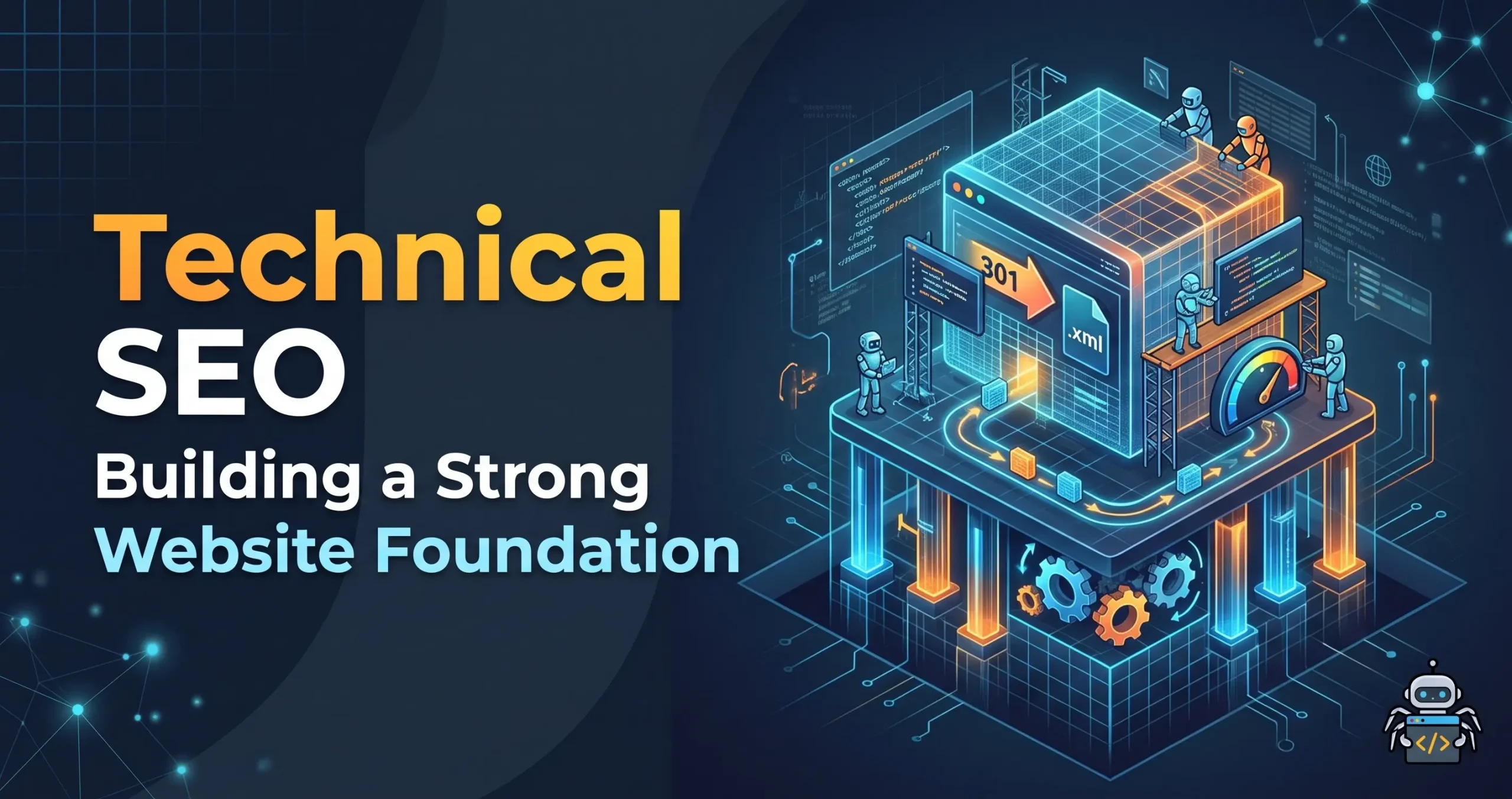 Technical SEO ensures that search engines can access, crawl, and understand important website pages. It focuses on website infrastructure, indexing, loading performance, mobile usability, and security. Addressing technical problems helps businesses create a reliable website that supports content visibility and provides visitors with a smoother browsing experience.
Website Crawling and Indexing
Search engines use automated crawlers to discover webpages and understand their content. Problems involving robots.txt, XML sitemaps, canonical tags, and broken internal links can prevent important pages from being discovered or indexed correctly.
Effective website crawling optimization helps search engines access relevant content efficiently. Regular indexing management also identifies excluded pages, duplicate URLs, and technical errors that may affect organic visibility.
Website Speed and Core Web Vitals
Website speed influences how visitors experience online content. Slow-loading pages can create frustration and make it difficult for users to access important information.
A comprehensive website speed optimization strategy includes image compression, browser caching, efficient code, and server performance improvements. Businesses should also monitor Core Web Vitals, which evaluate loading performance, interactivity, and visual stability.
Mobile-Friendly Website Optimization
Mobile usability is essential because many people browse websites through smartphones and tablets. Google primarily uses the mobile version of website content for indexing and ranking, making responsive design particularly important.
Effective mobile SEO ensures that pages display correctly across different screen sizes. Readable typography, accessible navigation, and consistent content help create a better mobile experience and support overall website quality.
Keyword Research and Strategic SEO Planning
Keyword research helps businesses understand how potential customers search for products, services, and information. A successful SEO campaign targets relevant search queries while considering competition, search volume, and user intent. Strategic planning ensures that website content addresses audience needs and supports business objectives rather than targeting keywords without a clear purpose.
Identifying High-Value Keywords
Choosing the right keywords is essential for attracting relevant organic traffic. Businesses should research search volume, keyword difficulty, commercial relevance, and competition before selecting their primary and supporting search terms.
A structured keyword research strategy identifies primary keywords, secondary keywords, and long-tail opportunities. Long-tail keywords often represent specific customer needs and can help businesses reach audiences searching for particular products or services.
Understanding Search Intent
Search intent refers to the reason behind a user’s search query. Some users want educational information, while others compare service providers or prepare to make a purchase.
Effective search intent optimization considers informational, navigational, commercial, and transactional searches. Matching website content with these expectations improves relevance and creates a better experience for visitors.
Competitor and Market Analysis
Competitor analysis helps businesses understand how other websites perform in search results. Reviewing competitor keywords, content strategies, backlinks, and website structures can reveal opportunities for improvement.
Through competitor SEO analysis, businesses can identify content gaps, discover valuable search queries, and evaluate their market position. These insights help marketers develop more focused campaigns and compete more effectively.
On-Page SEO and Content Optimization
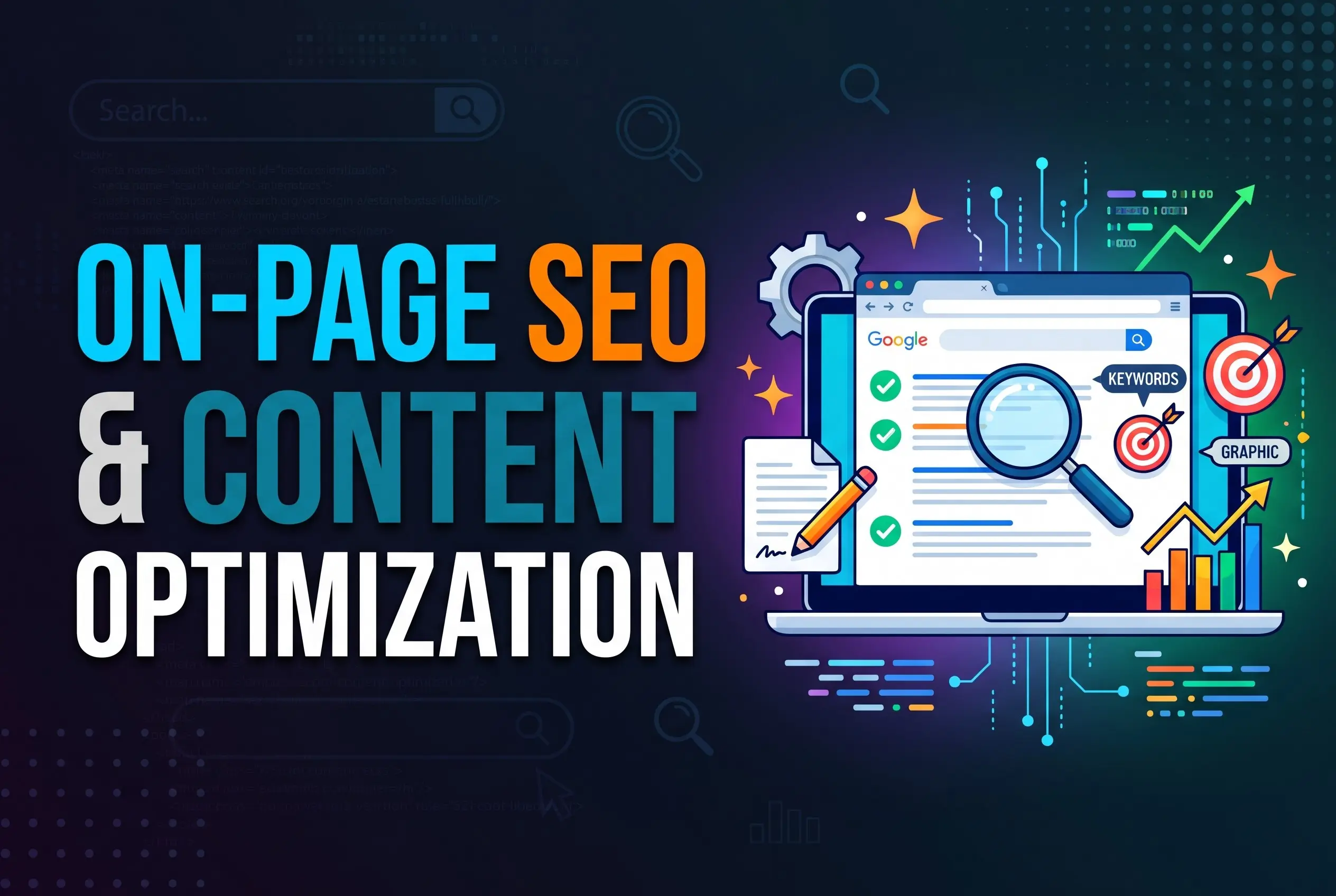 On-page SEO improves individual webpages by optimizing their content, structure, metadata, and internal links. It helps search engines understand page topics while making information easier for visitors to access. Combining effective on-page techniques with high-quality content creates a stronger foundation for relevant search visibility and meaningful audience engagement.
Optimizing Meta Titles and Descriptions
Meta titles and descriptions communicate the purpose of webpages in search engine results. A descriptive title helps users understand the page topic, while a useful description explains its value and encourages relevant clicks.
Effective meta tag optimization involves creating unique titles and descriptions for important pages. Primary keywords should appear naturally without keyword stuffing or misleading promotional language.
Creating High-Quality SEO Content
High-quality content answers audience questions through accurate information, practical examples, and relevant explanations. Businesses should understand their readers’ challenges and develop resources that provide meaningful solutions.
A strong content optimization strategy includes semantic keywords, readable formatting, topical relevance, and comprehensive subject coverage. Incorporating LSI and related keywords, natural language variations, and relevant concepts helps provide additional context without making content repetitive.
Improving Internal Linking and Website Structure
Internal linking connects related webpages and helps visitors discover additional information. It also gives search engines pathways to crawl important pages and understand relationships between different topics.
An effective internal linking strategy uses descriptive anchor text and relevant contextual links. Organizing content into topic clusters around important subjects can improve navigation, strengthen topical coverage, and make website information easier to discover.
Off-Page SEO and Website Authority Building
 Off-page SEO focuses on improving a website’s reputation and visibility through activities beyond its own pages. Relevant backlinks, brand mentions, digital outreach, and professional relationships can contribute to a stronger online presence. Businesses should prioritize trustworthy sources and ethical practices to develop authority without relying on manipulative link-building techniques.
Building Quality Backlinks
Backlinks are links from external websites that direct visitors to another website. Relevant editorial links can help search engines discover content and understand connections between different online resources.
Professional link building services focus on earning backlinks through valuable content, genuine outreach, relevant publications, and industry partnerships. Businesses should prioritize link relevance and publisher quality rather than collecting large numbers of unrelated links.
Guest Posting and Content Outreach
Guest posting allows businesses to publish informative articles on relevant third-party websites. It creates opportunities to introduce a brand to new audiences, demonstrate industry knowledge, and earn appropriate editorial references.
A strategic guest posting campaign includes publisher research, original content development, and professional outreach. Selecting websites with genuine audiences and appropriate editorial standards helps protect brand credibility and improve campaign quality.
Strengthening Brand Reputation
Brand reputation influences how potential customers perceive a business before choosing its products or services. Consistent online communication, useful content, positive customer experiences, and relevant industry recognition help develop trust.
Effective online reputation management includes monitoring brand mentions, responding to customer feedback, and maintaining accurate business information. These activities support credibility and contribute to a stronger overall digital presence.
Local SEO for Geographical Business Growth
Local SEO helps businesses connect with customers searching for products and services in specific geographical areas. It combines business listing optimization, location-based keywords, customer reviews, and local citations. Companies serving particular cities or regions can use these techniques to improve their visibility and create more opportunities for relevant customer inquiries.
Google Business Profile Optimization
Google Business Profile allows businesses to display essential information in Google Search and Maps. Accurate business details make it easier for potential customers to discover services, operating hours, contact information, and physical locations.
Effective Google Business Profile optimization includes selecting relevant business categories, maintaining updated information, adding authentic photographs, and managing customer reviews. These activities help create a more informative and trustworthy business listing.
Location-Based Keyword Targeting
Location-based keywords combine service-related search terms with geographical information. They help businesses reach people searching for specific solutions within their operating areas.
A structured local keyword research strategy identifies relevant city names, neighborhood terms, and location-specific search queries. Businesses should create useful location pages that provide genuinely relevant information rather than duplicating content across multiple geographical pages.
Local Citations and Customer Reviews
Local citations are online mentions of a business’s name, address, and phone number. Consistent information across trusted directories helps customers find accurate business details and supports a reliable digital presence.
Combining local citation building with authentic review management strengthens business credibility. Companies should encourage genuine customer feedback and respond professionally to both positive and negative experiences.
SEO Analytics and Continuous Performance Improvement
SEO requires regular monitoring because search behavior, competitors, and website performance change over time. Analytics helps businesses evaluate campaign effectiveness and identify areas that need improvement. By tracking meaningful performance indicators, companies can make informed decisions and adjust their optimization strategies to support sustainable organic growth.
Tracking Organic Traffic and Keyword Rankings
Organic traffic shows how many visitors reach a website through unpaid search results. Keyword tracking helps businesses understand how their pages perform for relevant search queries.
Using Google Search Console and SEO tracking platforms, marketers can monitor impressions, clicks, average positions, and keyword visibility. These insights help identify high-performing pages and opportunities for further optimization.
Measuring Leads and Conversions
Website traffic alone does not indicate whether an SEO campaign is supporting business objectives. Companies should also evaluate phone inquiries, contact form submissions, purchases, appointment requests, and other meaningful customer actions.
A structured conversion rate optimization (CRO) strategy examines landing pages, website navigation, calls to action, and user journeys. These improvements can help turn relevant organic visitors into potential customers.
Conducting Regular SEO Audits
SEO audits evaluate the technical health, content quality, backlink profile, and overall optimization of a website. Regular audits help businesses discover issues before they significantly affect search performance.
A comprehensive SEO audit may identify broken links, indexing problems, duplicate content, outdated pages, and weak internal linking. Correcting these issues supports better website quality and helps maintain a consistent optimization process.
Common SEO Challenges and How Complete SEO Services Address Them
Businesses may encounter several obstacles while trying to improve their search visibility. Technical errors, outdated content, weak backlinks, and increasing competition can limit SEO performance. A comprehensive optimization strategy helps identify these problems, prioritize necessary improvements, and create a more reliable foundation for long-term online growth.
Recovering From Ranking Drops
Ranking fluctuations can happen because of search algorithm updates, technical problems, changing search intent, or stronger competitor content. Identifying the underlying cause is important before making major website changes.
A detailed SEO performance analysis examines keyword movements, indexing status, content relevance, and backlink quality. Businesses can use these findings to develop corrective strategies and improve their search performance.
Fixing Website Optimization Issues
Poor website structure, duplicate content, broken links, and slow-loading pages can negatively affect website usability and search engine accessibility.
Professional website SEO optimization focuses on identifying and correcting these issues. Regular technical reviews help maintain website quality and ensure that important pages remain accessible to visitors and search engines.
Staying Competitive in Search Results
Businesses must continuously improve their online presence to compete with established websites. Publishing useful content, targeting relevant keywords, and earning credible backlinks can help strengthen their competitive position.
An effective competitive SEO strategy combines market research, content development, and authority building to identify opportunities for sustainable growth.
How SanMo AE Supports Long-Term SEO Growth
Businesses need a reliable SEO strategy that connects website optimization, content development, and digital authority building. SanMo AE focuses on SEO and digital marketing solutions designed to improve online visibility and support sustainable business development. A coordinated approach helps companies address different optimization needs while working toward measurable marketing objectives.
Customized SEO Strategies
Every business has different audiences, competitors, and marketing goals. A customized strategy helps identify the most important optimization opportunities based on website performance and industry requirements.
SanMo AE can help businesses align their SEO strategy, keyword targeting, and website optimization efforts with their growth objectives. This approach supports more focused marketing activities and long-term search visibility.
Improving Online Authority and Visibility
A strong digital presence requires relevant content, technically sound webpages, and credible external references. Businesses should continuously improve these areas to establish a trustworthy online identity.
Through technical SEO, content marketing, and strategic link building, companies can strengthen important aspects of their online presence. SanMo AE focuses on SEO practices that support better website performance and brand visibility.
Supporting Sustainable Business Development
Long-term SEO success requires regular performance monitoring, content improvements, and adjustments based on changing search behavior. Businesses should evaluate their results and identify new opportunities as their industries evolve.
SanMo AE supports a results-oriented digital marketing approach that connects organic traffic growth, search engine optimization, and online brand authority. These activities can help businesses develop a stronger digital foundation and compete more effectively.
Frequently Asked Questions About Complete SEO Services
1. What Are Complete SEO Services?
Complete SEO Services combine technical SEO, keyword research, on-page optimization, content development, link building, local SEO, and performance tracking to improve a website’s organic search visibility.
2. How Do Complete SEO Services Help Businesses Grow?
They help businesses attract relevant organic traffic, improve website authority, reach potential customers, and generate qualified leads through coordinated search engine optimization strategies.
3. How Long Does Complete SEO Take to Show Results?
SEO results depend on website condition, competition, industry, and optimization activities. Some improvements may appear within a few weeks, while meaningful organic growth often requires several months.
4. What Is Included in Complete SEO Services?
Complete SEO Services generally include technical SEO audits, keyword research, on-page optimization, content marketing, link building, local SEO, competitor analysis, and SEO performance monitoring.
5. Why Is Technical SEO Important for Business Growth?
Technical SEO helps search engines crawl, understand, and index website pages. It also improves website accessibility, loading performance, mobile usability, and overall technical health.
6. Can Complete SEO Services Improve Google Rankings?
Yes. A comprehensive SEO strategy can improve a website’s relevance, accessibility, content quality, and authority, helping its pages become more competitive in relevant Google search results. However, rankings cannot be guaranteed.
7. Are Complete SEO Services Suitable for Small Businesses?
Yes. Small businesses can benefit from comprehensive SEO by targeting relevant keywords, improving local visibility, creating useful content, and building authority within their industries.
8. How Important Are Backlinks in Complete SEO?
Relevant and trustworthy backlinks can help search engines discover webpages and understand relationships between websites. Quality, relevance, and natural editorial placement are more important than backlink quantity.
9. How Can Businesses Measure SEO Performance?
Businesses can measure performance through organic traffic, keyword visibility, indexed pages, referring domains, qualified leads, and conversions. Google Search Console and Google Analytics 4 provide useful performance insights.
10. Why Should Businesses Choose Professional Complete SEO Services?
Professional SEO services provide a structured approach to technical optimization, content development, keyword targeting, and link building. They help businesses identify opportunities, address website issues, and maintain consistent optimization efforts.
Conclusion
Long-term online growth requires a comprehensive SEO strategy that addresses every important aspect of website performance. From technical SEO and keyword research to content optimization, link building, and local SEO, businesses need coordinated optimization efforts to improve search visibility and attract relevant audiences.
Complete SEO Services provide a structured approach to improving website quality, developing online authority, and generating sustainable organic traffic. However, successful SEO is an ongoing process that requires regular monitoring, strategic improvements, and adaptation to changing search behavior.
For businesses looking to strengthen their digital presence, SanMo AE offers SEO and digital marketing-focused solutions that support long-term growth. Investing in a comprehensive SEO strategy can help companies improve their online visibility, reach potential customers, and build a stronger competitive position.