Technology has become a major driver of business innovation, operational efficiency, and long-term growth. Companies across industries are adopting digital tools to improve their processes, serve customers more effectively, and remain competitive. Software Development Services help businesses achieve these goals by creating, implementing, and maintaining software solutions that address specific operational needs.
From custom business applications to enterprise management systems, software development enables organizations to automate repetitive tasks, improve collaboration, and make better decisions through data. It also allows businesses to introduce new products, enhance customer experiences, and adapt to changing market demands.
However, successful software development involves more than writing code. It requires strategic planning, suitable technology selection, user-focused design, quality assurance, and continuous improvement. Understanding how software development supports innovation and productivity can help businesses make informed technology investments and build a stronger digital foundation.
Understanding the Role of Software Development Services in Business
Software development involves designing, building, testing, deploying, and maintaining applications that help organizations perform specific tasks. Professional development services combine technical expertise with business objectives to create solutions that support daily operations and future growth.
Custom Software Development
Custom software development focuses on creating applications according to a company’s unique requirements. Unlike generic software products, custom solutions can be designed around existing workflows, internal processes, and specific business challenges.
For example, a company may need an internal management platform to organize projects, monitor performance, and manage customer information. A tailored application can bring these functions together while reducing dependence on multiple disconnected tools.
Business Application Development
Business application development creates software that supports essential organizational activities. These applications may include customer management systems, inventory platforms, financial tools, and employee management solutions.
By connecting different business functions, applications help reduce manual work and improve information accessibility. This makes it easier for employees to complete tasks and maintain consistent operational processes.
Enterprise Software Development
Enterprise software development focuses on building scalable applications for organizations with complex operational requirements. These solutions often connect multiple departments, manage large volumes of information, and support advanced business workflows.
Enterprise applications can improve communication between teams while providing centralized access to important business data. This creates a more organized technology environment that supports business expansion.
How Software Development Services Drive Business Innovation
 Innovation requires businesses to identify new opportunities and transform ideas into practical solutions. Software development provides the technical foundation for creating new digital products, improving existing services, and introducing more efficient business models.
Developing New Digital Products
Software development allows businesses to transform ideas into functional digital products. Companies can create web applications, mobile platforms, SaaS products, and specialized tools that address customer needs.
Digital product development helps organizations explore new revenue opportunities and reach customers through digital channels. A well-designed product can also create competitive advantages by offering features and experiences that existing solutions may not provide. Businesses can use customer feedback, market research, and product testing to improve these applications over time.
Supporting Business Model Innovation
Technology can change how businesses deliver products and services. Software applications enable companies to introduce subscription models, digital marketplaces, online booking systems, and automated service platforms.
Business process innovation allows organizations to rethink traditional operations and develop more flexible service delivery methods. For example, a company that previously managed customer requests manually may introduce an online platform that handles inquiries, scheduling, and notifications. These improvements can help businesses respond to customer expectations while exploring new market opportunities.
Integrating Emerging Technologies
Modern software development can incorporate technologies such as artificial intelligence, machine learning, cloud computing, and the Internet of Things.
Emerging technology integration enables businesses to introduce advanced capabilities into their existing systems. AI-powered applications can support data analysis, while cloud platforms improve access to business resources. The right technology should always address a clear business requirement rather than being adopted simply because it is popular.
Improving Business Productivity Through Software Development
Productivity depends on how effectively businesses use their time, employees, information, and technology. Software development helps organizations improve these areas by simplifying workflows, reducing repetitive tasks, and creating more connected working environments.
Automating Repetitive Tasks
Manual administrative tasks can consume valuable employee time and increase the possibility of human error. Software applications can automate activities such as data entry, invoice generation, appointment scheduling, and routine notifications.
Business process automation allows employees to focus on more valuable responsibilities instead of repeatedly performing the same tasks. Automation also improves consistency because predefined workflows can follow established business rules. For organizations handling large numbers of transactions or customer requests, automation can significantly improve operational efficiency.
Streamlining Workflow Management
Disconnected processes can create delays, communication problems, and unnecessary administrative work. Custom applications can connect different stages of a workflow and make important information available to relevant employees.
Workflow automation software helps businesses manage approvals, assign responsibilities, monitor project progress, and track task completion. This improves accountability and reduces confusion between departments. A centralized workflow system also gives managers better visibility into ongoing activities and helps them identify operational bottlenecks.
Enhancing Team Collaboration
Effective collaboration is essential for maintaining productivity, particularly when employees work across different departments or locations. Software platforms can provide shared workspaces, communication tools, document management, and project tracking capabilities.
Team collaboration tools help employees exchange information, coordinate responsibilities, and maintain consistent communication. When these tools are integrated with other business applications, teams can access relevant information without repeatedly switching between systems. This creates a more organized working environment and supports faster decision-making.
The Importance of Web and Mobile Application Development
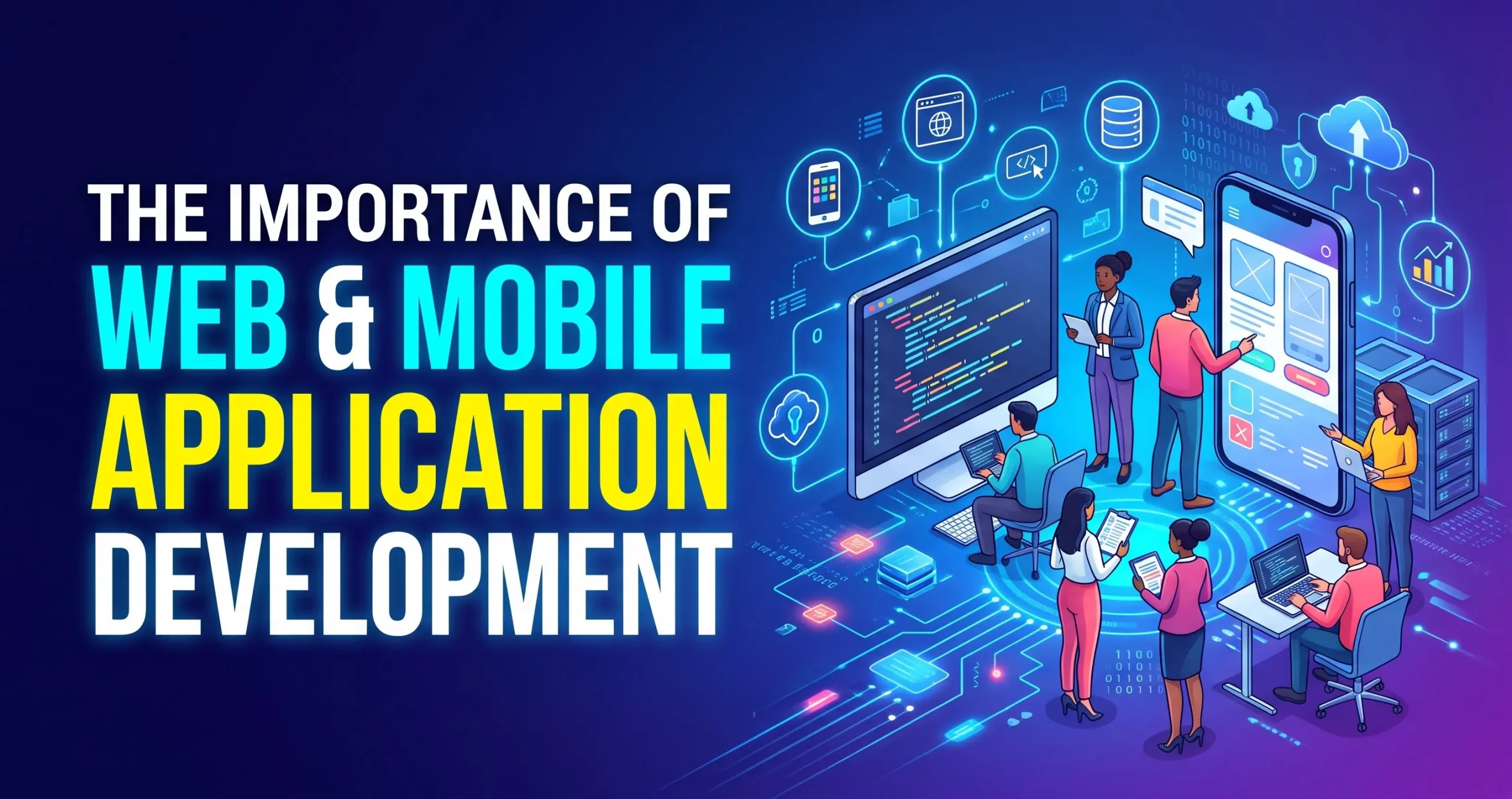 Customers and employees increasingly interact with businesses through websites, mobile applications, and digital platforms. Developing accessible and reliable applications helps organizations improve service delivery and maintain stronger digital connections.
Web Application Development
Web application development involves creating browser-based software that users can access through internet-connected devices. These applications can support online shopping, customer portals, business management, and service delivery.
Businesses can use web applications to provide convenient access to products and services without requiring customers to install dedicated software. Professional development also considers performance, security, usability, and compatibility across different browsers.
Mobile Application Development
Mobile app development enables businesses to create applications for smartphones and tablets. Mobile platforms can support customer engagement, online transactions, service bookings, employee communication, and other business activities.
A well-designed mobile application offers convenient access to essential features while supporting a consistent user experience. Businesses should consider device compatibility, application performance, security, and ongoing maintenance when developing mobile solutions.
User Experience and Interface Design
Software functionality alone does not guarantee successful adoption. Applications must also be easy to understand, navigate, and use. UI/UX design focuses on creating intuitive interfaces and smooth user journeys. User interface design addresses the visual elements of an application, while user experience design considers how people interact with its features.
A user-focused development process can reduce confusion, improve engagement, and encourage customers and employees to use digital tools more effectively.
How Cloud-Based Software Development Supports Scalability
Business requirements change as organizations expand, enter new markets, and serve more customers. Cloud technology provides flexible infrastructure that allows software applications to adapt to changing operational demands.
Cloud Application Development
Cloud application development involves building software that operates through cloud-based infrastructure. Instead of relying entirely on local servers, businesses can use cloud platforms to access computing resources, storage, and application services.
This approach can support remote accessibility, centralized management, and flexible resource allocation. It also allows businesses to select infrastructure options according to their performance and security requirements.
Scalable Software Architecture
Scalable software architecture enables applications to handle increasing workloads without requiring a complete redesign. Developers consider system structure, database performance, infrastructure, and application components during the planning process.
A scalable solution helps businesses accommodate additional users, transactions, and features as demand grows. This is particularly important for startups and organizations expecting rapid expansion.
Software as a Service Development
SaaS development involves creating software that customers can access through a subscription or service-based model. SaaS platforms are commonly used for business management, communication, accounting, marketing, and productivity.
This model allows businesses to deliver software through online platforms while managing updates and infrastructure centrally. For companies developing digital products, SaaS can provide opportunities to build recurring revenue and reach customers across different markets.
Strengthening Business Decisions Through Data-Driven Software
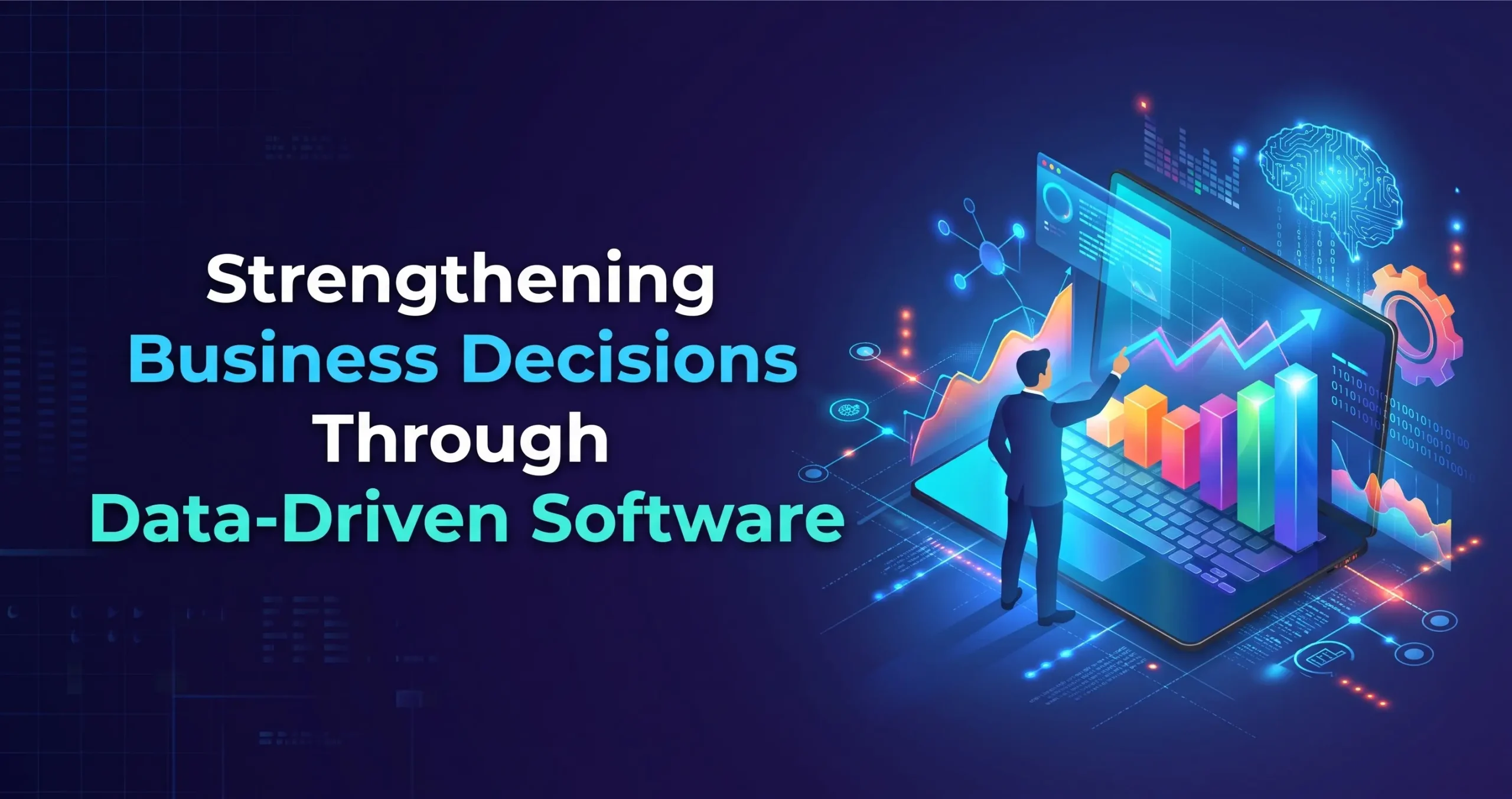 Accurate information helps businesses understand performance, identify opportunities, and respond to challenges. Software development can connect operational systems and transform business data into useful insights for decision-makers.
Business Intelligence and Analytics
Business intelligence software helps organizations collect, organize, and analyze information from different sources. These systems can provide dashboards, performance reports, and visual summaries of important business activities.
Managers can use these insights to understand sales performance, monitor operational efficiency, and identify areas that require improvement. Better access to information supports more informed business decisions.
Real-Time Data Management
Real-time data processing allows applications to collect and update information as activities occur. This is valuable for businesses that need immediate visibility into inventory, customer transactions, service requests, or operational performance.
Real-time information can help employees respond to changing conditions more quickly. It also reduces dependence on outdated records and delayed reporting.
Predictive Analytics
Predictive analytics solutions use historical information, statistical methods, and suitable machine learning techniques to estimate potential future outcomes.
Businesses may use predictive models to forecast demand, identify customer trends, or anticipate operational requirements. Although predictions are not guaranteed outcomes, they can provide additional information for planning and strategic decisions.
Software Security and Quality Assurance for Reliable Operations
Innovation and productivity depend on software that performs consistently and protects important information. Security and quality assurance should therefore be included throughout the development lifecycle rather than treated as final-stage activities.
Secure Software Development
Secure software development incorporates security considerations into application planning, coding, testing, and deployment. Developers should consider authentication, authorization, data protection, secure APIs, and vulnerability management.
Businesses should also apply appropriate access controls and keep software components updated. These practices help reduce security risks and protect business information from unauthorized access.
Software Testing and Quality Assurance
Software testing and quality assurance help identify defects, performance issues, and usability problems before applications reach users. Testing may include functionality checks, integration testing, security assessments, and performance evaluation.
A structured quality assurance process improves software reliability and reduces the likelihood of costly issues after deployment. It also helps ensure that the application meets its original business requirements.
Software Maintenance and Updates
Software requires continuous attention after launch. New business requirements, security threats, operating system changes, and customer feedback may create the need for improvements.
Software maintenance services help businesses resolve technical issues, improve performance, and introduce new features. Regular updates also help applications remain compatible with evolving technologies and user expectations.
Choosing the Right Software Development Partner
 Selecting a suitable development partner is an important decision because the quality of the development process can influence the long-term success of a software project. Businesses should evaluate technical expertise, communication, project management, security practices, and ongoing support.
Technical Expertise and Industry Experience
A development partner should understand the technologies and application requirements relevant to the project. Experience with similar systems can help teams identify potential challenges and recommend suitable solutions.
Businesses should review previous projects, technical capabilities, and development methodologies before making a decision.
Development Process and Communication
A structured software development lifecycle (SDLC) provides a clear process for planning, designing, developing, testing, deploying, and maintaining applications.
Transparent communication helps businesses monitor progress and provide feedback throughout the project. Regular updates also make it easier to manage expectations and address changes before they create larger problems.
Long-Term Support and Scalability
Software development should be considered a long-term investment. Businesses may need technical support, performance improvements, security updates, and additional features after deployment.
A reliable development partner should understand future requirements and help maintain the software as the organization grows. This ensures that the application continues to support changing business objectives.
Conclusion
Software Development Services help businesses turn technology into a practical driver of innovation and productivity. Through custom applications, workflow automation, cloud solutions, data analytics, and secure software architecture, organizations can improve operational efficiency and develop better customer experiences.
The right software solution also supports business scalability by making it easier to introduce new features, manage growing workloads, and respond to changing market demands. However, achieving these benefits requires careful planning, quality development, regular maintenance, and a clear understanding of business objectives. SanMo AE focuses on digital solutions and technology-related services that help businesses strengthen their online presence and support their growth objectives.
Frequently Asked Questions (FAQs)
1. What are Software Development Services?
Software Development Services involve designing, building, testing, deploying, and maintaining software applications. These services help businesses create digital solutions that support their operational and strategic requirements.
2. How do software development services improve productivity?
They improve productivity by automating repetitive tasks, streamlining workflows, connecting business systems, and reducing manual administrative work. Employees can then focus on more important responsibilities.
3. What is custom software development?
Custom software development is the process of creating applications based on specific business requirements. It allows organizations to build solutions that match their workflows, goals, and operational challenges.
4. How does software development support business innovation?
Software development helps businesses introduce new digital products, automate services, integrate emerging technologies, and explore new business models. It transforms ideas into practical digital solutions.
5. What is the difference between web and mobile application development?
Web application development creates software accessed through web browsers, while mobile application development focuses on applications designed for smartphones and tablets. Both support different user experiences and business requirements.
6. Why is cloud-based software development important?
Cloud-based software development provides flexible infrastructure, remote accessibility, and scalable computing resources. It helps businesses manage applications and adjust resources according to changing operational needs.
7. What role does AI play in software development?
Artificial intelligence can support data analysis, automation, predictive modeling, personalization, and intelligent application features. Its usefulness depends on the business problem and the quality of available data.
8. Why is software testing important?
Software testing identifies functional errors, security vulnerabilities, compatibility problems, and performance issues. It helps ensure that applications work reliably and meet user expectations.
9. How do businesses choose the right software development partner?
Businesses should evaluate technical expertise, industry experience, project management, communication, security practices, and post-launch support. The partner should also understand the organization’s long-term goals.
10. Do software applications require ongoing maintenance?
Yes. Applications need regular updates, security improvements, bug fixes, performance monitoring, and feature enhancements. Ongoing maintenance helps software remain reliable and compatible with changing business requirements.