
The way businesses accept and process payments has changed significantly with the growth of digital technology. Traditional cash-based transactions and manual payment processes are increasingly being replaced by faster, more convenient, and secure electronic methods. Modern Digital Payment Solutions allow businesses to accept payments through mobile applications, digital wallets, bank transfers, payment gateways, and other electronic platforms.
These technologies are transforming business transactions by reducing payment delays, improving financial management, and creating more convenient customer experiences. From small businesses and online retailers to large enterprises, organizations are adopting digital payment systems to simplify financial operations and meet changing customer expectations.
Digital payments also support business expansion by making it easier to serve customers across different locations. However, selecting the right payment technology requires careful consideration of security, transaction fees, integration capabilities, and customer preferences.
Understanding Digital Payment Solutions
Digital Payment Solutions refer to technologies and services that allow individuals and businesses to send, receive, and process money electronically. These systems reduce dependence on physical cash and traditional manual payment methods by enabling transactions through connected digital platforms.
Businesses can use digital payment infrastructure to accept customer payments, manage financial records, and simplify payment processing. Depending on their operational requirements, organizations can choose between different payment methods and service providers.
How Digital Payments Work
A digital payment generally involves a customer, a merchant, a payment service provider, and a financial institution. When a customer initiates a transaction, the payment system securely transfers transaction information to the relevant financial networks for authorization.
After verification, the transaction is approved or declined, and the payment status is communicated to the merchant. This process supports electronic fund transfers and reduces the need for manual payment handling.
Common Types of Digital Payment Methods
Modern businesses can accept payments through several electronic channels. Mobile banking, digital wallets, credit and debit cards, QR code payments, and online bank transfers are widely used options.
Each method offers different advantages depending on customer preferences, transaction requirements, and business models. Offering multiple payment options helps businesses create more convenient purchasing experiences.
Why Digital Payment Solutions Are Transforming Business Transactions
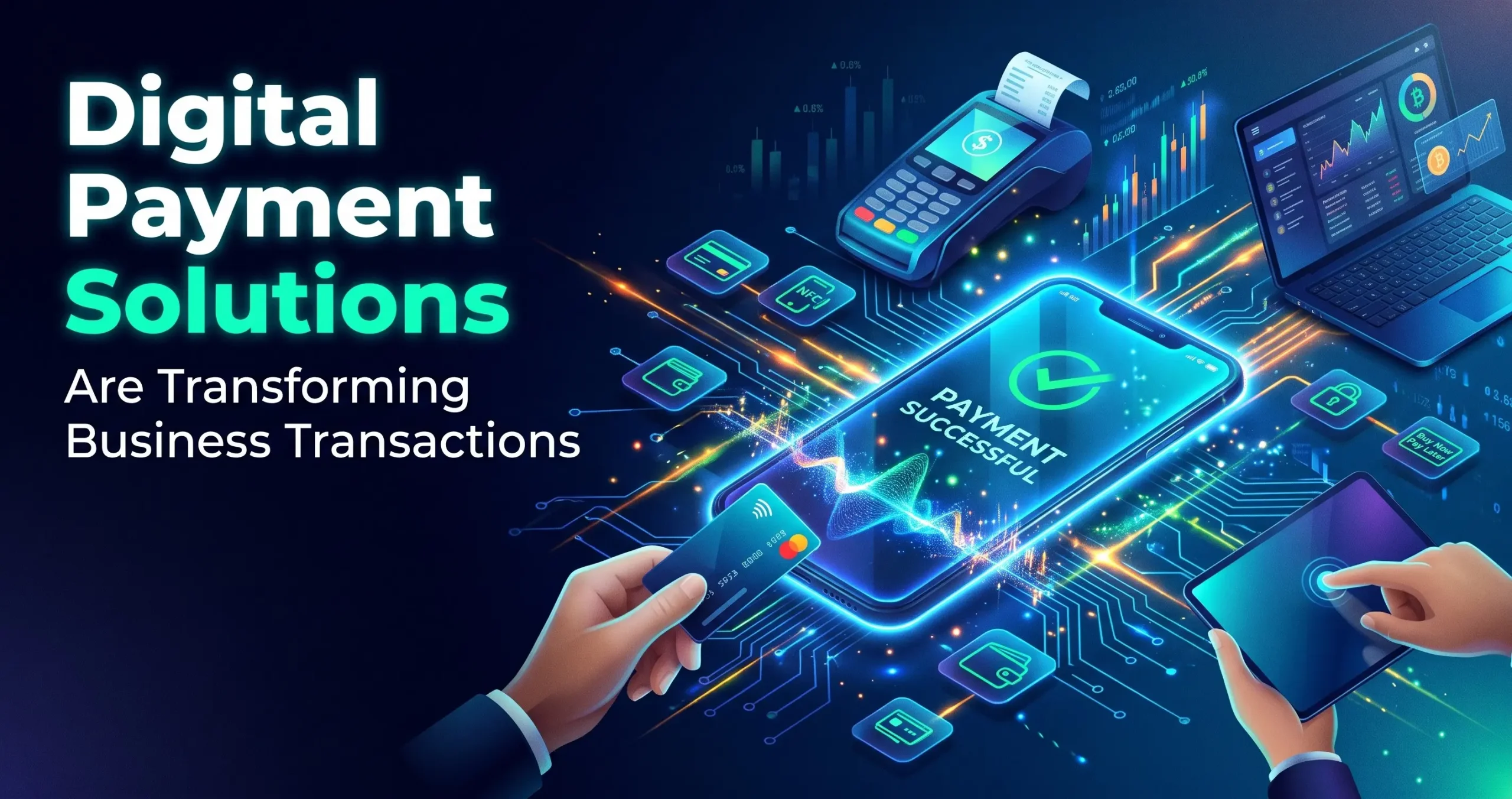 Digital payments are changing how companies manage sales, receive customer payments, and conduct financial operations. Faster processing, improved accessibility, and automated transaction records help organizations reduce administrative workloads and serve customers more efficiently.
Faster and More Convenient Transactions
Traditional payment methods can involve manual verification, cash handling, and additional administrative procedures. Digital payment systems simplify these processes by allowing customers to complete transactions electronically.
Real-time payment processing can help businesses receive transaction confirmations quickly, depending on the payment network and provider. Faster payment experiences also reduce unnecessary delays during checkout and improve overall transaction convenience.
Reducing Operational Costs
Managing cash transactions requires physical handling, transportation, reconciliation, and additional administrative work. These activities can increase operational complexity, particularly for businesses processing large transaction volumes.
Automated payment processing helps reduce manual tasks and improve financial record management. Although payment gateways and financial providers may charge transaction fees, digital systems can offer operational efficiencies that support better cost management.
Supporting Remote and Online Transactions
Digital payment platforms allow businesses to receive payments without requiring customers to visit physical locations. This capability is especially valuable for ecommerce businesses, subscription services, and companies operating across multiple regions.
Online payment processing enables customers to purchase products and services through websites, applications, and other digital channels. This flexibility allows businesses to serve customers beyond their immediate geographic markets.
Improving Payment Security and Fraud Prevention
Security is a major consideration when businesses adopt digital payment technologies. Financial transactions involve sensitive information, including payment credentials and personal details. Reliable payment systems use security controls and verification technologies to reduce unauthorized access, protect transaction information, and improve confidence among customers and merchants.
Data Encryption and Secure Transactions
Encryption helps protect sensitive information while it is transmitted between customers, merchants, and payment processors. It makes payment data more difficult for unauthorized parties to understand if intercepted.
Payment encryption and secure communication protocols are important components of modern payment infrastructure. Businesses should also ensure that their payment providers follow appropriate security standards and data protection practices.
Multi-Factor Authentication
Multi-factor authentication adds an additional verification step before certain transactions or account activities can be completed. It may combine passwords, one-time passwords, biometric verification, or other authentication methods.
Multi-factor authentication (MFA) helps reduce the risks associated with stolen passwords and unauthorized account access. Depending on the payment system, additional verification may also help identify suspicious transactions.
Fraud Detection and Prevention
Digital payment providers may use automated monitoring systems to identify unusual transaction patterns, suspicious activities, and potentially fraudulent payments.
AI-powered fraud detection can analyze transaction behavior and help identify activities that require further investigation. Combined with transaction monitoring and risk assessment, these technologies support safer payment environments.
Enhancing Customer Experience Through Digital Payments
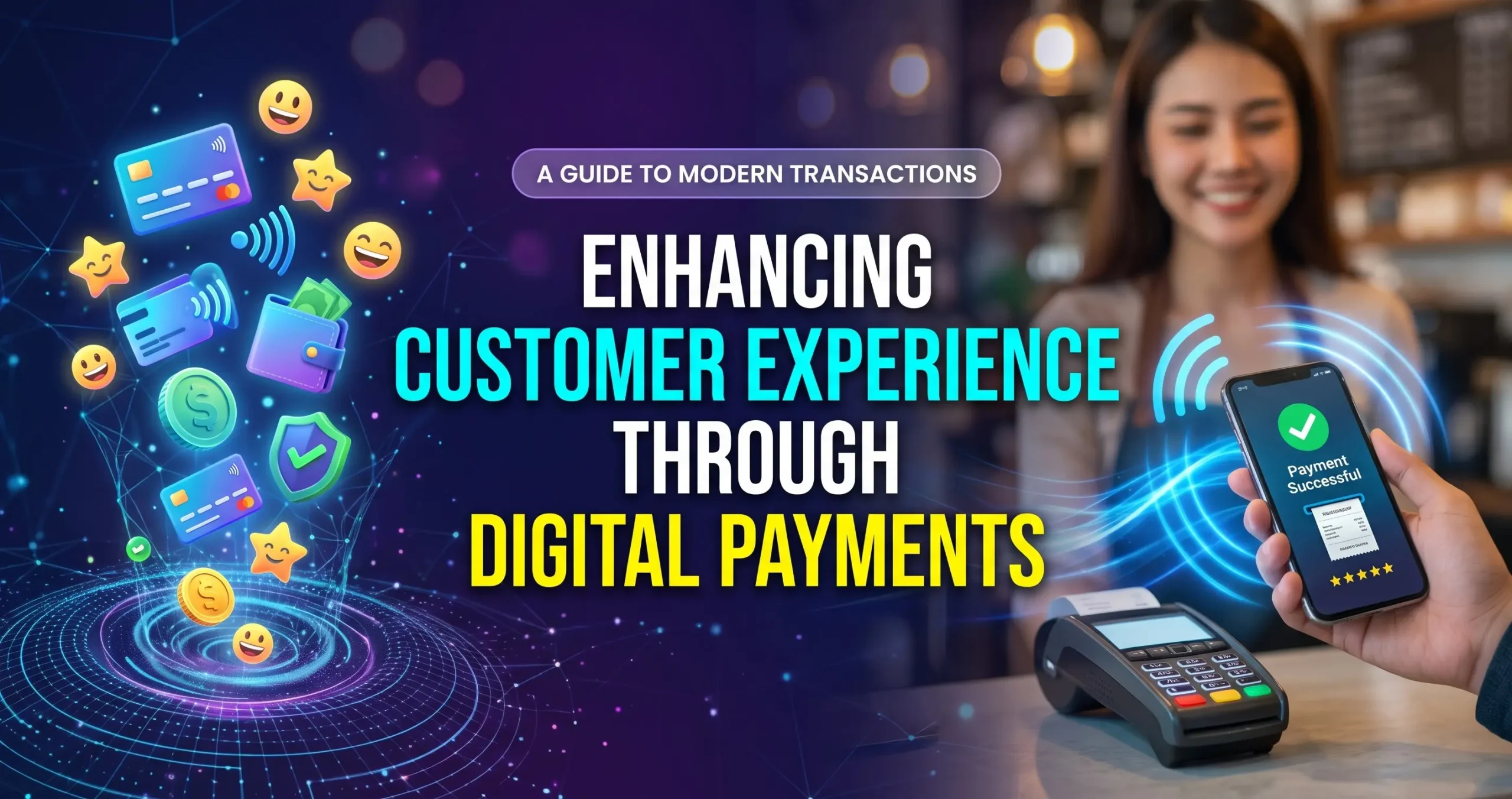 Customer experience plays an important role in purchasing decisions and long-term business relationships. Complicated checkout processes, limited payment options, and delayed confirmations can discourage customers from completing transactions. Digital payment technologies help businesses create smoother purchasing experiences by providing convenient payment methods and faster transaction confirmation across different platforms.
Offering Multiple Payment Options
Customers have different preferences when making payments. Some prefer credit or debit cards, while others choose mobile banking, digital wallets, or direct bank transfers.
Providing flexible payment options helps businesses accommodate different customer needs. It can also reduce checkout friction and make purchasing more convenient for customers using different devices and financial services.
Simplifying the Checkout Process
A complicated checkout experience can increase cart abandonment and reduce completed purchases. Digital payment integrations help businesses simplify the payment process by reducing unnecessary steps and offering familiar transaction methods.
Seamless checkout experiences allow customers to review their orders, select payment methods, and complete transactions with less effort. A well-designed payment interface can improve customer satisfaction and support better conversion rates.
Supporting Mobile Payments
Smartphones have become an important channel for online shopping, banking, and everyday transactions. Customers increasingly expect businesses to provide payment experiences that work smoothly on mobile devices.
Mobile payment technology allows users to complete transactions through mobile banking applications, digital wallets, QR codes, and mobile-optimized checkout systems. These capabilities help businesses serve customers who prefer convenient smartphone-based transactions.
The Role of Digital Payment Solutions in Business Growth
Digital payments contribute to business growth by improving financial accessibility, simplifying transactions, and supporting wider customer reach. Organizations can use modern payment infrastructure to introduce new revenue opportunities, manage customer relationships, and improve operational flexibility. When combined with effective business strategies, digital payments can support expansion across different markets and customer segments.
Expanding Market Reach
Businesses are no longer limited to customers who can visit physical stores or make local cash payments. Online payment systems allow companies to receive transactions through websites, ecommerce platforms, and digital applications.
Global payment processing can help eligible businesses accept payments from customers in different regions, depending on provider availability, supported currencies, and regulatory requirements. This creates opportunities to reach wider audiences and explore new markets.
Improving Financial Management
Managing financial records manually can become difficult as transaction volumes increase. Digital payment systems automatically record important transaction information, helping businesses maintain more organized financial records.
Digital transaction management supports payment tracking, reconciliation, reporting, and financial analysis. These capabilities help organizations understand revenue patterns and make better operational decisions.
Enabling Subscription-Based Business Models
Subscription businesses depend on consistent recurring payments to generate predictable revenue. Digital payment platforms can automate billing cycles, payment reminders, and recurring transaction processing.
Recurring payment systems help software providers, membership platforms, and service businesses manage ongoing customer subscriptions. Automated billing also reduces repetitive administrative work and makes payment management more convenient.
Integrating Digital Payments With Business Systems
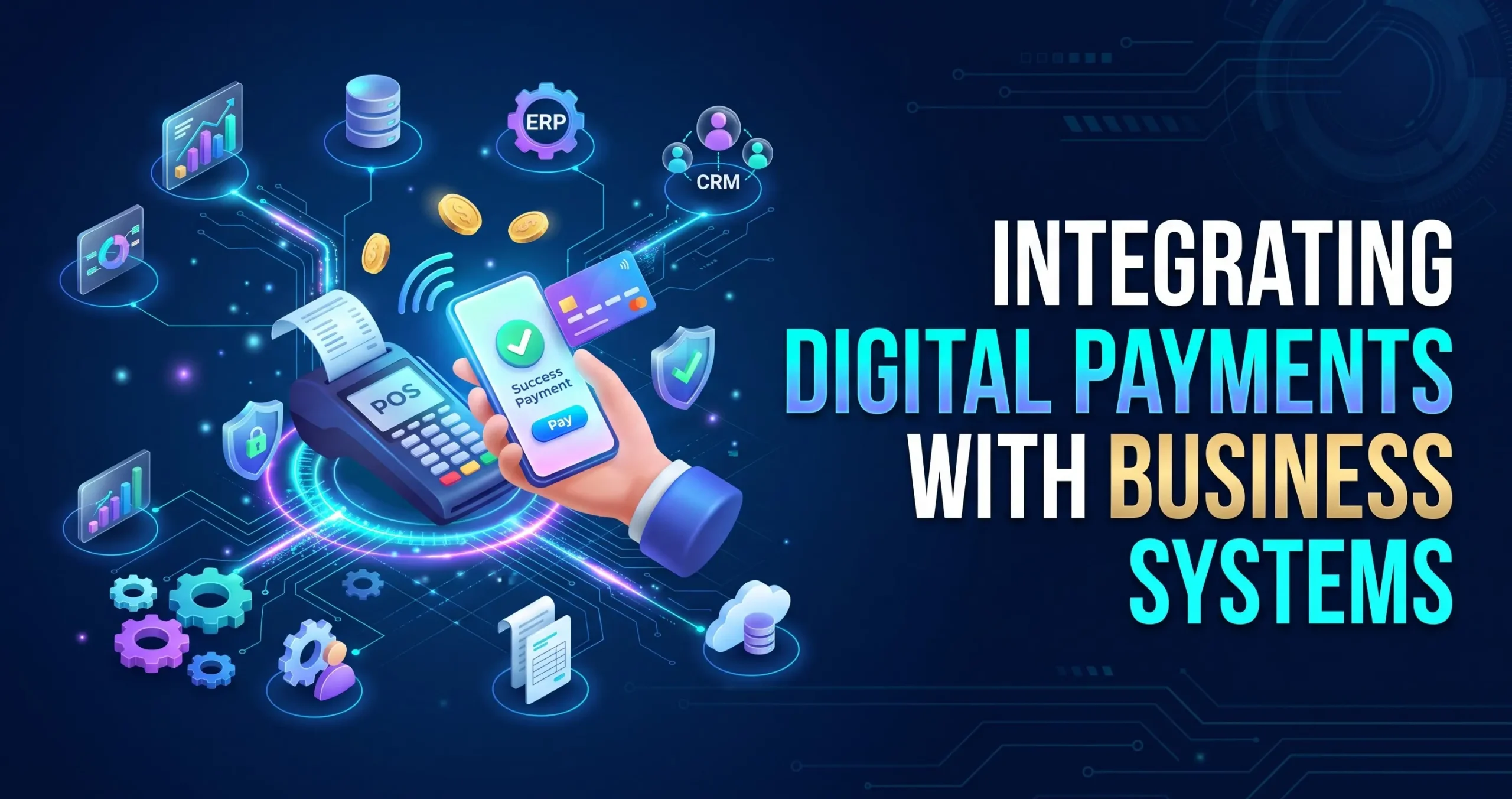 Payment integration allows businesses to connect financial transactions with their existing digital infrastructure. Connecting payment platforms with ecommerce websites, accounting software, and customer management systems can reduce manual work and improve information accuracy. A well-integrated payment environment also makes it easier for organizations to monitor transactions and maintain consistent business operations.
Payment Gateway Integration
A payment gateway securely facilitates the transfer of payment information between a customer, merchant, and payment processor. It plays an important role in processing online card payments and other supported transaction methods.
Payment gateway integration allows businesses to accept electronic payments directly through their websites or applications. Choosing a suitable provider requires evaluating supported payment methods, security features, transaction charges, and integration compatibility.
Integration With Accounting and CRM Software
Connecting payment systems with accounting platforms helps businesses organize financial information and simplify reconciliation. Integration with customer relationship management systems can also provide useful transaction context for customer service and sales teams.
Accounting software integration reduces repetitive data entry, while CRM integration helps businesses maintain more complete customer records. Together, these connections support better financial visibility and more organized customer management.
Challenges of Implementing Digital Payment Solutions
Although electronic payments provide significant advantages, businesses must consider several implementation challenges before adopting new systems. Transaction fees, cybersecurity risks, technical compatibility, and regulatory requirements can influence payment performance. Understanding these challenges helps organizations select appropriate providers and develop reliable processes for managing digital transactions.
Transaction Fees and Processing Costs
Payment providers may charge transaction fees, monthly service charges, currency conversion fees, or other processing costs. These expenses can affect profit margins, particularly for businesses handling frequent or low-value transactions.
Evaluating payment processing fees helps businesses compare providers and understand the total cost of accepting electronic payments. Transparent pricing and suitable payment plans can support better financial planning.
Technical Compatibility and Integration
Not every payment platform works seamlessly with every website, ecommerce system, or business application. Integration difficulties can create payment failures, synchronization issues, and additional development requirements.
Businesses should evaluate payment system compatibility before selecting a provider. Testing integrations and maintaining appropriate technical support can help reduce implementation problems.
Regulatory Compliance and Data Protection
Digital financial transactions must follow applicable legal, financial, and data protection requirements. Businesses need to understand the rules governing payment processing in their operating markets.
PCI DSS compliance is particularly important for organizations that handle payment card information. Depending on the market and transaction type, businesses may also need to consider customer verification, anti-money laundering requirements, and relevant financial regulations.
The Future of Digital Payment Solutions
 Payment technology continues to evolve as businesses and consumers adopt more connected financial services. Artificial intelligence, biometric authentication, real-time payment infrastructure, and contactless transactions are influencing how organizations process and manage money. These developments are creating opportunities for more efficient, personalized, and secure digital transaction experiences.
Artificial Intelligence in Payment Processing
Artificial intelligence is increasingly being used to analyze transaction patterns, identify suspicious activities, and improve payment risk management. Automated systems can help payment providers recognize unusual behavior and investigate potential fraud more efficiently.
AI-driven payment processing may also improve transaction monitoring and operational decision-making. As these technologies develop, businesses can benefit from more intelligent payment management systems.
Contactless and Biometric Payments
Contactless payments allow customers to complete transactions by tapping compatible cards or mobile devices on supported payment terminals. Biometric authentication uses features such as fingerprints or facial recognition to verify user identity.
Contactless payment technology and biometric payment authentication are making certain payment experiences faster and more convenient. Their availability depends on supported devices, financial institutions, and local payment infrastructure.
Real-Time Payment Networks
Real-time payment networks are designed to transfer funds and confirm transactions within seconds or near real time. These systems can improve cash flow management and reduce waiting periods associated with traditional payment processes.
Instant payment systems are becoming increasingly important for businesses that require faster financial settlement and improved transaction visibility.
How SanMo AE Supports Digital Business Growth
Adopting modern payment technologies is an important part of building an effective digital business strategy. Organizations need to consider customer expectations, website functionality, online visibility, and technology integration when improving their digital operations.
SanMo AE focuses on digital marketing and technology-related business solutions that help organizations strengthen their online presence and explore opportunities for growth. Businesses looking to modernize their digital operations should consider how payment experiences connect with website performance, customer engagement, and overall business objectives.
Conclusion
Digital Payment Solutions are transforming modern business transactions by making payments faster, more accessible, and increasingly convenient. From online payment processing and mobile wallets to automated billing and fraud detection, these technologies are changing how organizations manage financial operations and serve customers.
Businesses that adopt suitable payment systems can improve checkout experiences, streamline financial management, expand their market reach, and support long-term growth. However, successful implementation requires careful attention to security, transaction costs, technical integration, and regulatory compliance. As payment technology continues to advance, organizations that embrace secure and flexible digital transaction methods will be better positioned to meet customer expectations and compete in an increasingly digital economy.
Frequently Asked Questions (FAQs)
1. What are Digital Payment Solutions?
Digital Payment Solutions are electronic systems that allow individuals and businesses to send, receive, and process money without relying on physical cash. Examples include digital wallets, mobile banking, card payments, QR code payments, and online bank transfers.
2. Why are digital payments important for modern businesses?
Digital payments help businesses process transactions faster, reduce manual administrative work, improve customer convenience, and maintain organized financial records. They also support online sales and business expansion.
3. What are the most common types of digital payments?
Common digital payment methods include credit cards, debit cards, mobile banking, digital wallets, QR code payments, contactless payments, and electronic bank transfers.
4. How do digital payments improve transaction security?
Digital payment systems use technologies such as encryption, authentication, fraud detection, and transaction monitoring. These security measures help protect sensitive information and reduce unauthorized payment activities.
5. What is a payment gateway?
A payment gateway is a technology that securely facilitates online payment transactions between customers, merchants, and payment processors. It helps businesses accept electronic payments through websites and applications.
6. Are digital payment solutions suitable for small businesses?
Yes. Small businesses can use digital payments to accept online transactions, improve customer convenience, reduce cash-handling responsibilities, and maintain better financial records.
7. How do digital payments improve customer experience?
Digital payments provide convenient transaction methods, faster confirmations, and simplified checkout processes. Customers can select their preferred payment options and complete purchases without visiting physical locations.
8. What challenges do businesses face when adopting digital payments?
Common challenges include transaction fees, cybersecurity risks, technical integration issues, regulatory compliance, and payment provider compatibility. Careful provider selection and security planning can help address these challenges.
9. What is the future of digital payment technology?
The future includes greater adoption of AI-powered fraud detection, biometric authentication, contactless payments, mobile wallets, and real-time payment networks. These developments are expected to improve payment convenience and transaction efficiency.
10. How can SanMo AE help businesses strengthen their digital presence?
SanMo AE focuses on digital marketing and technology-related business solutions. Businesses can explore its services to improve online visibility, strengthen digital strategies, and support their broader business growth objectives.