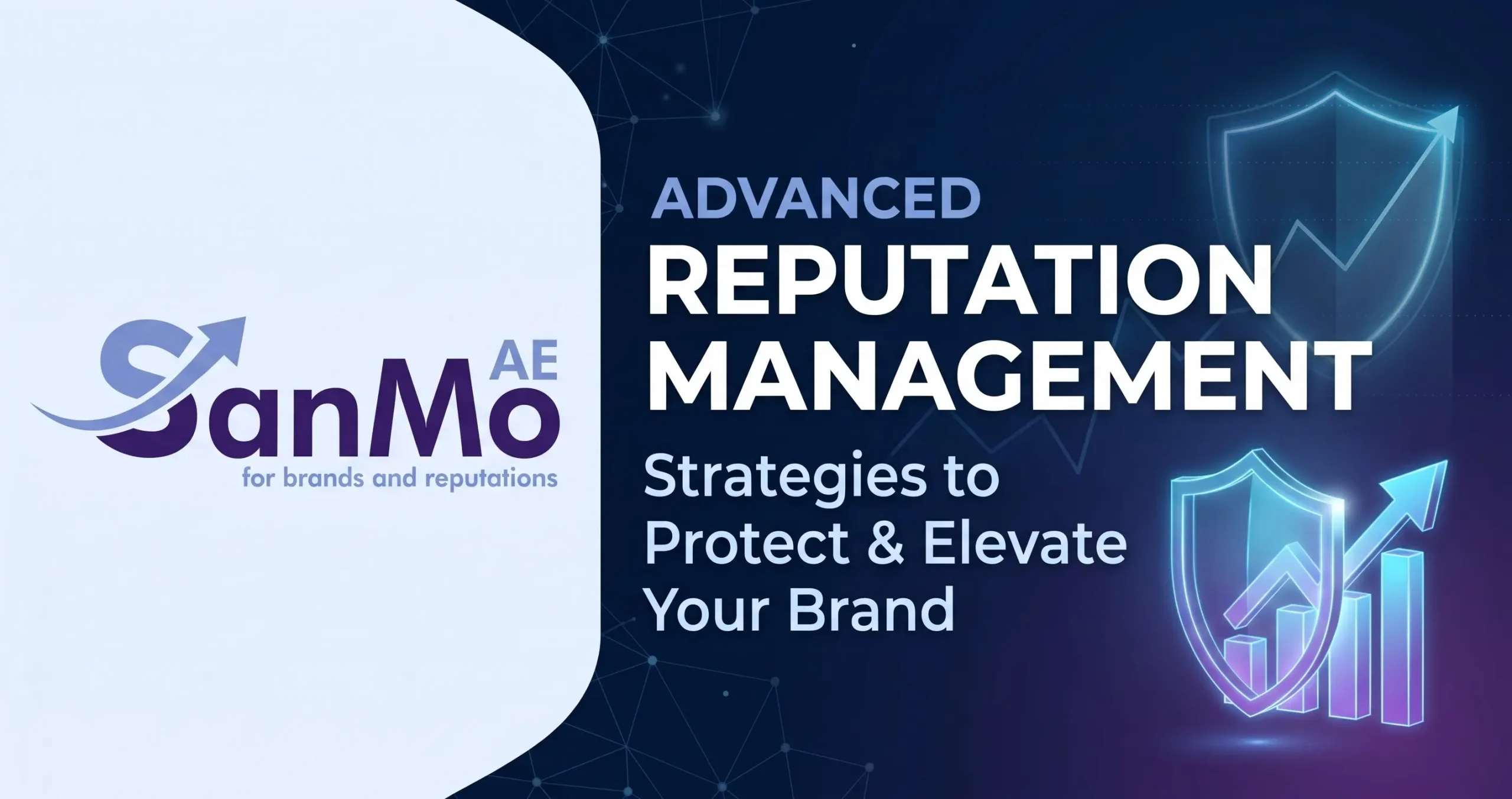
Advanced Reputation Management has become essential for businesses that want to protect their brand image, maintain customer trust, and establish a strong digital presence. In today’s competitive online environment, customers frequently research companies before purchasing products or choosing services. Search engine results, customer reviews, social media discussions, and online publications all influence how audiences perceive a business.
A single reputation issue can affect customer confidence, reduce brand credibility, and create long-term challenges. Therefore, businesses need more than basic review management or occasional responses to negative feedback. They require a comprehensive strategy that combines brand monitoring, content management, search engine optimization, customer engagement, and crisis prevention.
SanMo AE helps businesses strengthen their digital reputation through strategic reputation management solutions. By focusing on proactive monitoring, professional communication, and long-term brand protection, businesses can manage reputation risks while creating a more trustworthy online identity.
Understanding Advanced Reputation Management
Advanced Reputation Management involves a strategic approach to monitoring, protecting, and improving how a business is perceived across digital platforms. It goes beyond responding to negative reviews by addressing reputation risks, improving online visibility, and maintaining consistent brand communication.
A comprehensive online reputation management strategy considers customer sentiment, search engine performance, media coverage, social media activity, and brand mentions. Businesses use these insights to understand public perception and identify opportunities to improve their digital image.
Unlike reactive reputation management, an advanced approach emphasizes prevention and continuous improvement. It allows companies to identify potential issues early, respond appropriately, and develop stronger relationships with customers.
How Advanced Reputation Management Works
Advanced reputation management combines digital monitoring, customer feedback analysis, content development, and strategic communication. Businesses evaluate their existing online presence to identify weaknesses and determine which areas require improvement.
Through brand reputation monitoring, companies can track online discussions, analyze customer opinions, and identify emerging reputation threats. These activities provide useful information for developing effective strategies that support long-term brand credibility.
Why Businesses Need Advanced Reputation Management
 A strong online reputation influences customer decisions, business partnerships, and overall market competitiveness. Customers are more likely to engage with companies that demonstrate transparency, reliability, and consistent service quality.
Without an effective brand reputation management strategy, businesses may struggle to control misleading information, respond to customer complaints, or maintain a positive digital presence. Even established organizations can experience unexpected reputation challenges.
Advanced reputation management helps businesses prepare for these situations while improving their ability to communicate with audiences. It also supports stronger customer relationships and creates opportunities to build lasting brand loyalty.
Building Customer Trust and Brand Credibility
Customer trust develops through consistent experiences and transparent communication. When businesses respond professionally to feedback, provide accurate information, and address customer concerns, they demonstrate accountability.
A strong brand credibility strategy also ensures that customers can easily find reliable information about a company’s products, services, and business practices. Maintaining this consistency across digital platforms helps strengthen brand perception and encourage customer confidence.
Advanced Strategies for Monitoring Brand Reputation
Effective reputation management begins with understanding what people are saying about a business online. Companies need reliable processes to monitor customer reviews, brand mentions, media coverage, and discussions across relevant digital channels.
Advanced monitoring helps businesses identify potential problems before they become serious reputation threats. It also provides valuable insights into customer expectations, competitor activities, and changing market perceptions.
Implement Comprehensive Brand Monitoring
Businesses should monitor their brand names, product names, executives, and important industry keywords across search engines, social media platforms, review websites, and online publications.
Using professional brand monitoring tools helps organizations discover new mentions and evaluate conversations about their services. Google Alerts and social listening platforms can also support ongoing monitoring activities.
A consistent monitoring process enables businesses to respond quickly to emerging concerns and maintain better control over their digital reputation.
Use Sentiment Analysis to Understand Public Perception
Monitoring brand mentions alone does not explain how customers feel about a company. Businesses also need to understand whether online conversations reflect positive, negative, or neutral opinions.
Sentiment analysis helps organizations evaluate customer discussions and identify recurring concerns. These insights can reveal dissatisfaction with specific services, communication problems, or opportunities to improve customer experiences.
By understanding audience sentiment, businesses can make more informed decisions and develop communication strategies that address actual customer expectations.
Managing Negative Content and Online Reputation Risks
 Negative content can appear in customer reviews, news articles, discussion forums, social media posts, and search engine results. If businesses ignore these issues, unfavorable information may influence potential customers and weaken brand credibility.
An effective negative content management strategy focuses on identifying the source of harmful information, evaluating its accuracy, and selecting an appropriate response. Some content may require customer communication, while other situations may involve formal reporting or legal assistance.
Address Negative Reviews and Unfavorable Feedback
Negative reviews should be handled professionally and consistently. Businesses need to understand the customer’s complaint before responding and should acknowledge legitimate concerns without becoming defensive.
Effective online review management helps companies demonstrate accountability and maintain customer relationships. Providing practical solutions and following up on unresolved issues can improve customer experiences and show potential customers that the business takes feedback seriously.
Reduce the Impact of Harmful Search Results
Not all unfavorable content can be removed from the internet. However, businesses can improve the visibility of accurate and relevant information through ethical search engine optimization practices.
Search engine reputation management involves optimizing official websites, publishing valuable content, strengthening professional profiles, and earning relevant backlinks. These activities can support negative content suppression by improving the visibility of trustworthy brand information.
The objective is to create a balanced and accurate digital presence rather than attempting to manipulate search engine results.
Strengthening Brand Visibility Through Content Strategy
High-quality content is an important component of advanced reputation management. Businesses that consistently publish useful information can demonstrate industry knowledge, answer customer questions, and establish stronger connections with their audiences.
A strategic content marketing strategy also creates opportunities to improve organic visibility and communicate brand values across different digital channels. Content should be informative, accurate, and relevant to the needs of the target audience.
Create Authoritative and Trustworthy Content
Businesses can strengthen their reputation by publishing educational articles, service guides, industry insights, customer success stories, and expert commentary. Such content helps demonstrate experience and provides audiences with useful information.
Through SEO content optimization, companies can improve content relevance, target appropriate search queries, and make important brand information easier to discover. Consistent publishing also supports long-term brand authority.
Maintain Consistent Messaging Across Digital Platforms
Inconsistent information across websites, social media profiles, business directories, and review platforms can create confusion. Businesses should maintain accurate company descriptions, contact details, service information, and brand messaging.
A consistent digital brand management strategy helps establish a recognizable identity and ensures that audiences receive reliable information regardless of where they interact with the company.
Developing an Effective Online Crisis Management Strategy
 Even businesses with strong reputations can experience unexpected challenges. Negative publicity, service failures, data incidents, or viral customer complaints can quickly create public relations problems.
An effective online crisis management strategy helps organizations prepare for potential threats and respond with clarity. Businesses should establish communication procedures, identify responsible team members, and ensure that accurate information reaches affected audiences.
Respond Quickly and Communicate Transparently
During a reputation crisis, delayed or unclear communication can increase uncertainty. Businesses should acknowledge the situation, share verified information, and explain the steps being taken to address the issue.
Professional crisis reputation management focuses on responsible communication rather than making unrealistic promises. Transparent updates help organizations maintain credibility and demonstrate their commitment to resolving problems.
Evaluate Reputation Risks and Improve Prevention
After addressing a crisis, businesses should review what happened and identify opportunities to prevent similar incidents. Analyzing customer complaints, communication weaknesses, and operational problems can help organizations strengthen their internal processes.
A proactive reputation risk management framework allows companies to identify vulnerabilities and prepare suitable responses before future challenges occur.
Measuring Advanced Reputation Management Performance
 Reputation management requires continuous evaluation to understand whether business strategies are producing meaningful improvements. Tracking relevant performance indicators helps organizations identify progress, understand customer perception, and make informed adjustments.
A structured reputation management analysis should consider search visibility, customer feedback, brand mentions, sentiment trends, and engagement across digital platforms. Reviewing these indicators regularly provides a clearer picture of overall brand performance.
Track Reputation and Customer Engagement Metrics
Businesses should monitor branded search results, review ratings, response times, customer sentiment, and online engagement. These measurements help identify changes in brand perception and highlight areas that require additional attention.
Online reputation analytics can also help businesses compare performance over time and understand how reputation management activities influence customer behavior. However, individual metrics should be evaluated in context rather than treated as direct proof of business growth.
How SanMo AE Helps Protect and Elevate Your Brand
Managing an online reputation requires continuous attention, professional expertise, and a clear understanding of digital marketing strategies. Businesses may find it difficult to monitor multiple platforms, address negative content, and maintain consistent communication without a structured approach.
SanMo AE provides reputation management solutions designed to help businesses protect their online image and strengthen brand credibility. Its services focus on identifying reputation challenges, improving digital visibility, and supporting long-term brand protection.
Through professional reputation management services, businesses can develop strategies that address negative reviews, monitor brand mentions, and improve the visibility of trustworthy information.
Customized Reputation Management Solutions
Every business has different reputation requirements. A company experiencing negative customer reviews may need a different strategy from an organization dealing with unfavorable search results or damaging online publications.
SanMo AE focuses on understanding business challenges and developing suitable reputation management approaches. Customized strategies help organizations prioritize important concerns and maintain a consistent brand identity.
Long-Term Brand Protection and Reputation Growth
Building a strong reputation requires ongoing monitoring and continuous improvement. Businesses need to evaluate customer feedback, publish valuable content, and maintain professional communication across relevant digital channels.
SanMo AE helps businesses strengthen their digital reputation through strategic reputation management practices. With a focus on brand credibility, online visibility, and customer trust, companies can establish a more reliable presence in their industries.
Conclusion
Advanced Reputation Management is an ongoing investment in brand credibility, customer trust, and sustainable business growth. Businesses must combine proactive monitoring, effective negative content management, ethical SEO, transparent communication, and consistent content development to maintain a positive online presence.
A strong reputation cannot be established through short-term campaigns alone. It requires continuous evaluation, meaningful customer engagement, and responsible management of digital information.
With professional support from SanMo AE, businesses can take a more strategic approach to protecting and elevating their brand. Investing in advanced reputation management helps organizations prepare for potential challenges, strengthen customer relationships, and build lasting digital credibility.
Frequently Asked Questions (FAQs)
1. What is Advanced Reputation Management?
Advanced Reputation Management is a comprehensive approach to monitoring, protecting, and improving a brand’s online image. It combines brand monitoring, customer feedback management, content optimization, and strategic communication.
2. Why is Advanced Reputation Management important?
It helps businesses protect customer trust, maintain brand credibility, manage negative information, and strengthen their digital presence. It also supports long-term reputation protection and sustainable business development.
3. How does brand monitoring improve online reputation?
Brand monitoring helps businesses discover customer discussions, online reviews, and media mentions. Early identification of potential issues allows organizations to respond appropriately and prevent reputation problems from escalating.
4. What is the difference between basic and advanced reputation management?
Basic reputation management often focuses on responding to reviews and addressing immediate concerns. Advanced reputation management includes proactive monitoring, sentiment analysis, crisis planning, content optimization, and long-term brand protection.
5. Can SEO improve a company’s online reputation?
Yes. Ethical SEO helps businesses improve the visibility of authoritative websites, informative articles, professional profiles, and accurate brand information. This can strengthen their overall digital presence.
6. How can businesses manage negative online reviews?
Businesses should investigate complaints, acknowledge legitimate concerns, respond professionally, and provide practical solutions. Consistent review management demonstrates accountability and improves customer relationships.
7. What tools are useful for advanced reputation management?
Google Alerts, social listening platforms, review monitoring tools, and SEO analytics platforms can help businesses track brand mentions, analyze customer sentiment, and evaluate search visibility.
8. How can businesses prepare for an online reputation crisis?
Businesses can prepare by developing a crisis communication plan, assigning response responsibilities, monitoring potential risks, and establishing procedures for sharing accurate information during challenging situations.
9. How long does it take to improve an online reputation?
The timeline depends on the severity of reputation issues, competition, content quality, and the effectiveness of the chosen strategy. Some improvements may appear within weeks, while significant reputation recovery can require several months or longer.
10. How can SanMo AE help with Advanced Reputation Management?
SanMo AE helps businesses protect and improve their online reputation through strategic reputation management solutions, brand monitoring, review management, and digital visibility improvement. These approaches support stronger brand credibility and long-term customer trust.