Building brand awareness and maintaining a positive reputation has never been more challenging. With countless brands competing for attention across digital platforms, traditional PR approaches often fall short of delivering the visibility and credibility modern businesses need.
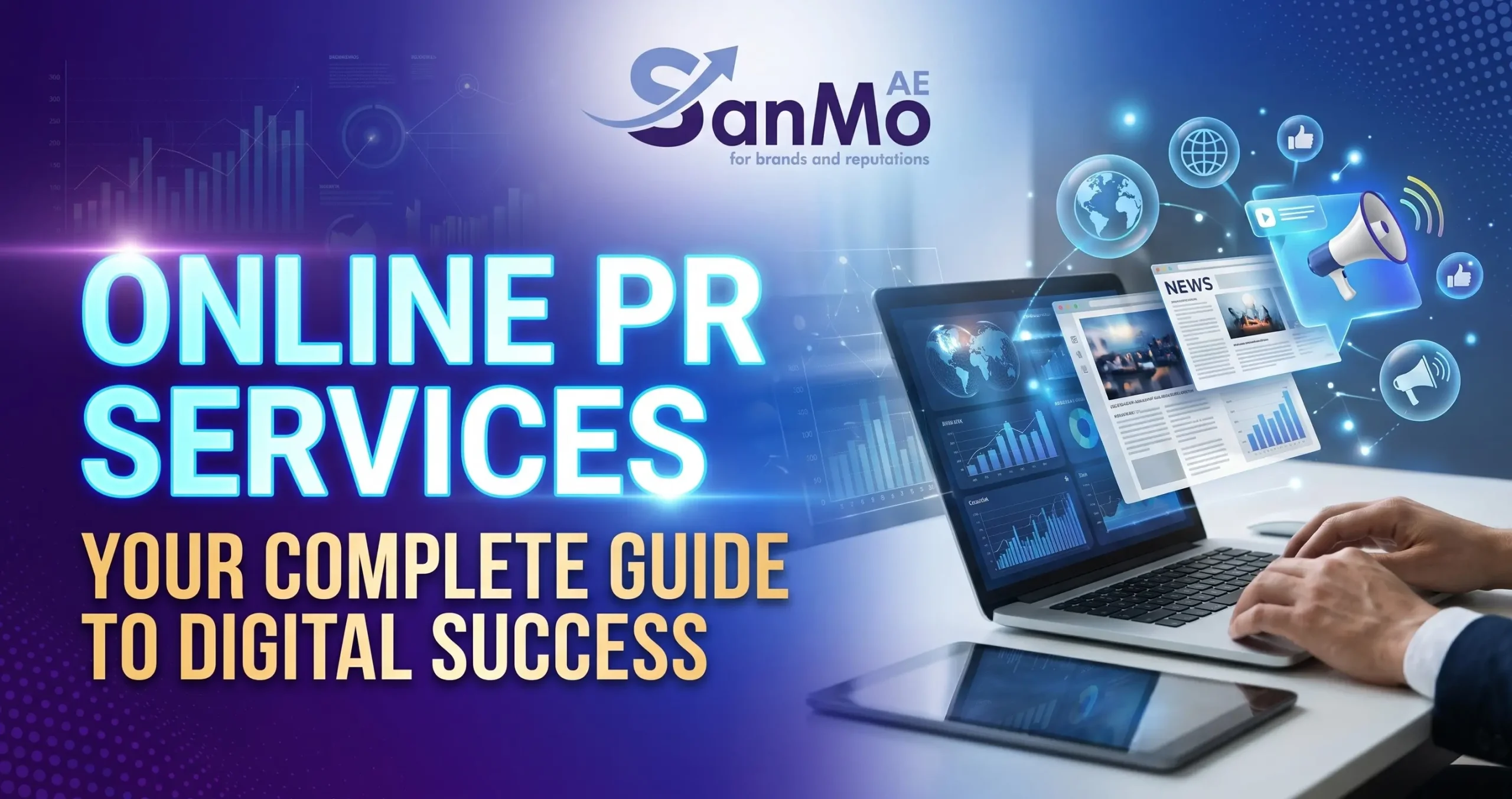
Online PR services have emerged as the solution to this problem. Unlike conventional public relations, digital PR combines traditional media outreach with modern digital marketing strategies, creating comprehensive campaigns that boost search rankings, drive website traffic, and establish thought leadership. This guide explores everything you need to know about online PR services, from understanding their core components to selecting the right provider for your business goals.
What Are Online PR Services?
Online PR services encompass a range of digital marketing activities designed to enhance your brand’s online presence and reputation. These services blend traditional public relations tactics with digital marketing strategies to create measurable results across multiple channels.
The primary goal is to secure high-quality media coverage, build authoritative backlinks, and position your brand as an industry leader through strategic content placement and relationship building.
Key Components of Digital PR
Media Outreach and Relationship Building
Strong media relationships also help businesses secure opportunities for guest contributions, expert interviews, podcast appearances, and industry discussions. PR professionals regularly communicate with media contacts to understand upcoming editorial requirements and identify relevant story opportunities. They also follow up professionally after pitching and maintain relationships beyond individual campaigns. This ongoing engagement helps businesses become reliable sources of industry information. Over time, consistent media outreach can create more opportunities for brand exposure, strengthen professional credibility, and establish lasting connections with influential voices in the industry.
Content Creation and Distribution
Effective content distribution also requires selecting the right platforms, publication formats, and communication methods. PR teams consider audience interests, publication relevance, and campaign objectives before choosing distribution channels. They may adapt the same core message into different formats, such as short press announcements, detailed articles, expert quotes, or social media content. This approach helps maintain consistent messaging while making information suitable for different audiences. Regular content performance reviews can further identify which topics and formats generate stronger engagement and meaningful brand exposure.
Link Building Through PR
A successful digital PR campaign also considers the quality and relevance of the websites referencing a business. Backlinks from industry-related publications can help attract qualified referral visitors who are genuinely interested in the company’s products or expertise. PR teams should focus on creating useful resources that journalists and publishers naturally want to reference. These may include original research, informative guides, expert opinions, and industry insights. Monitoring earned backlinks also helps businesses evaluate campaign outcomes and identify opportunities for future media coverage and stronger online visibility.
Crisis Management and Reputation Monitoring
Effective reputation monitoring should continue even when a business is not experiencing an active crisis. Regularly reviewing customer feedback, media coverage, search results, and social conversations helps organizations understand how audiences perceive their brand. Businesses can use these insights to identify recurring concerns and improve their communication practices. After resolving a reputation issue, transparent updates and consistent customer engagement can help rebuild confidence. Maintaining documented response procedures also prepares teams to handle future challenges more efficiently while protecting brand credibility and customer relationships.
Benefits of Professional Online PR Services
Enhanced Search Engine Visibility
Quality media coverage from authoritative websites can support your search engine visibility. When reputable publications link to your website, these backlinks may strengthen your backlink profile and help search engines discover your content. Digital PR can also increase branded searches, referral traffic, and online mentions. Consistently earning relevant media coverage helps establish your business within its industry. Combining digital PR with quality content and technical SEO creates opportunities for sustainable organic growth and stronger long-term online visibility.
Increased Brand Awareness
Strategic media placement exposes your brand to new audiences across multiple channels. This expanded reach helps build brand recognition and establishes your company as a trusted authority within your industry. Features in online publications, industry blogs, interviews, and influencer collaborations introduce your business to potential customers. Repeated exposure can improve brand familiarity and encourage people to explore your products or services. Over time, consistent media visibility may generate website visits, customer inquiries, social engagement, and valuable business opportunities.
Credible Third-Party Validation
Media coverage provides powerful social proof that paid advertising cannot match. When respected publications feature your brand, it lends credibility that resonates with potential customers and partners. Independent articles, expert interviews, product reviews, and industry mentions help demonstrate your company’s knowledge and experience. Businesses can also share legitimate media coverage through websites, newsletters, and social media platforms. This additional exposure helps potential customers evaluate your brand with greater confidence. Consistent recognition from relevant publications can strengthen trust and encourage meaningful business relationships.
Long-Term Marketing Value
Quality PR coverage can continue generating visibility and referral traffic long after its initial publication. Articles, expert interviews, and industry features may remain accessible through search engines, creating ongoing opportunities for audience discovery. Businesses can also repurpose successful PR content into social media posts, newsletters, and website resources. This extends the value of each campaign and supports consistent brand communication. Although results are not guaranteed permanently, strategically earned media exposure can contribute to lasting brand recognition and sustainable marketing growth.
Types of Online PR Services
Press Release Distribution
Press release distribution helps businesses share important announcements with journalists, publications, and relevant audiences. Professional PR teams prepare clear, newsworthy releases about product launches, company updates, events, partnerships, and business achievements. They then select suitable distribution channels, including industry-specific websites, local media outlets, and established newswire services. Targeting relevant publications increases the chances of reaching interested readers and media professionals. Well-planned distribution can strengthen brand visibility, generate valuable media attention, and support a consistent public relations strategy across digital channels.
Digital Media Outreach
Digital media outreach connects businesses with journalists, bloggers, editors, and content creators who cover relevant industries. PR professionals research suitable contacts, understand their audiences, and develop personalized pitches that explain why a story may interest them. Outreach can create opportunities for editorial mentions, product reviews, expert interviews, guest contributions, and collaborative content. Building genuine relationships is more effective than sending generic promotional messages. Consistent communication can expand brand exposure, strengthen credibility, and help businesses reach audiences through trusted digital publications.
Thought Leadership Development
Thought leadership development positions business owners and executives as knowledgeable voices within their industries. PR teams identify topics where company leaders can provide useful perspectives, then develop expert articles, interviews, commentary, and speaking opportunities. Sharing practical insights on relevant industry issues helps audiences understand a brand’s expertise and point of view. Consistent contributions across trusted publications can increase visibility and build credibility. This strategy supports personal and corporate brand authority while creating opportunities for meaningful industry connections and audience engagement.
Influencer Relations
Influencer relations involve building partnerships with content creators whose audiences align with a business’s target market. PR teams identify relevant influencers, assess their content and engagement, and develop collaboration opportunities that fit the brand’s objectives. Activities may include product features, interviews, sponsored content, event coverage, or joint campaigns. Successful partnerships prioritize authenticity and communication rather than follower numbers alone. By working with trusted creators, businesses can introduce products or services to engaged communities, expand awareness, and encourage meaningful audience interaction.
Content Marketing Integration
Content marketing integration connects online PR activities with a business’s broader content strategy. PR teams identify existing resources, such as research, guides, articles, and case studies, then use media outreach to increase their reach. They may also align new content with campaign themes, audience interests, and publication opportunities. Coordinating PR with SEO, social media, and email marketing helps maintain consistent messaging across channels. This integrated approach can extend content value, attract relevant visitors, strengthen brand visibility, and support marketing objectives.
Choosing the Right Online PR Service Provider

Industry Experience and Expertise
Choosing a PR agency with relevant industry experience can improve campaign planning and communication. Experienced professionals understand your market, customer expectations, competitors, and industry-specific challenges. They can identify suitable media outlets, develop relevant story angles, and communicate your brand’s value effectively. Review their previous campaigns, client portfolio, and measurable results to assess their expertise. An agency familiar with your industry may require less time to understand your business and can create more focused PR strategies.
Media Network Quality
A PR agency’s media network directly influences the relevance of its outreach opportunities. Evaluate whether the agency has relationships with publications, journalists, bloggers, and industry platforms that your target audience regularly follows. A large contact list does not automatically guarantee valuable coverage. Focus on the quality, authority, audience relevance, and editorial standards of its media connections. Ask for examples of previous placements and confirm whether those publications align with your business goals. Relevant media relationships can support stronger brand exposure and credibility.
Measurement and Reporting Capabilities
Reliable PR providers should measure campaign performance using clear and relevant indicators. Ask whether their reports include media mentions, publication quality, referral traffic, website engagement, backlink relevance, and changes in brand sentiment. Reports should explain what the results mean rather than simply present large numbers. Regular performance reviews also help identify successful activities and areas that need improvement. Before starting a campaign, discuss reporting frequency, measurement methods, and expected outcomes. Transparent reporting makes it easier to evaluate progress and marketing value.
Service Integration
Online PR works most effectively when it supports your broader digital marketing strategy. Choose an agency that can coordinate campaigns with your SEO, content marketing, email marketing, and social media activities. Integrated planning helps maintain consistent brand messaging and ensures that media coverage supports wider business objectives. For example, PR campaigns can promote valuable website content while relevant media mentions increase brand discovery. Discuss how the provider will collaborate with your existing marketing team, share campaign information, and coordinate activities across channels.
Transparent Communication
Clear communication is essential for building a productive relationship with a PR agency. Your provider should explain campaign strategies, responsibilities, timelines, potential challenges, and performance updates from the beginning. Regular reports and scheduled discussions help you understand what work has been completed and what happens next. A trustworthy agency also communicates limitations honestly instead of promising guaranteed media placements or unrealistic results. Before signing an agreement, clarify pricing, deliverables, reporting schedules, and communication channels to avoid misunderstandings throughout the campaign.
Measuring Online PR Success
Traffic and Engagement Metrics
Traffic and engagement metrics help determine whether PR campaigns attract relevant visitors and encourage meaningful website interactions. Monitor referral traffic from media publications, visitor numbers, average time spent on pages, bounce rates, and conversion rates. These indicators reveal how audiences respond after discovering your brand through PR activities. Compare campaign periods with previous performance to identify measurable changes. Tracking visitor behavior also helps businesses understand which publications generate valuable traffic and which campaigns contribute most effectively to their marketing objectives.
Brand Awareness Indicators
Brand awareness indicators reveal how PR campaigns influence public recognition and audience perception. Track brand mention volume across news websites, blogs, social platforms, and industry publications. Sentiment analysis helps identify whether conversations about your business are positive, negative, or neutral. Share of voice compares your brand’s visibility with competitors within relevant markets. Reviewing these indicators regularly can highlight changes in public perception, identify reputation risks, and demonstrate whether PR activities are helping your business build stronger market recognition.
SEO Performance Improvements
SEO performance improvements help measure the search visibility benefits generated by online PR campaigns. Monitor keyword rankings, organic website traffic, referring domains, and the relevance and quality of acquired backlinks. Quality media coverage can create opportunities for valuable editorial links and increase awareness of your website. However, improvements depend on publication authority, link attributes, competition, and broader SEO activities. Compare performance over time and review relevant search data to understand how PR contributes to your overall organic search strategy.
Lead Generation and Sales Impact
Lead generation and sales impact connect PR performance with measurable business outcomes. Track contact form submissions, phone inquiries, consultation requests, newsletter registrations, and purchases generated through PR-related traffic. Use campaign-specific landing pages, referral tracking, and analytics tools to identify which activities attract potential customers. Also review assisted conversions because some visitors may discover your brand through media coverage before returning through another channel. Comparing leads, conversion rates, and attributed revenue helps evaluate campaign value and guide future PR investment decisions.
Getting Started with Online PR Services with SanMo AE
 Getting started with online PR services requires clear objectives, strong digital assets, and consistent brand messaging. SanMo AE can help businesses strengthen their digital marketing strategies and develop a more effective online presence. Begin by establishing measurable PR goals, such as promoting a new product, increasing brand awareness, building thought leadership, or improving online reputation. These objectives will help guide your campaign strategy and evaluate its effectiveness.
Next, prepare your website, social media profiles, and other digital platforms to handle increased audience attention. Develop compelling key messages that communicate your brand values and maintain consistency across different channels. Working with an experienced PR team can also help ensure your messaging reaches the right audience. Finally, establish realistic timelines and monitor campaign progress regularly. Online PR requires consistent effort, and meaningful results may develop over several months.
Maximizing Your PR Investment
Successful online PR services require active collaboration between your team and your PR provider. Regular communication, timely response to media opportunities, and consistent messaging across all channels amplify campaign effectiveness. Consider starting with a focused campaign targeting specific goals, then expanding your PR efforts based on initial results and lessons learned. This approach allows you to refine your strategy while demonstrating clear ROI to stakeholders.
The digital landscape continues evolving rapidly, making professional PR expertise more valuable than ever. By partnering with experienced online PR services, you gain access to the relationships, skills, and strategic insights needed to cut through the noise and achieve meaningful business results. Achieving a strong digital presence requires a combination of strategic communication and consistent engagement — while Online PR Services help shape your brand’s reputation and secure media coverage, Social Media Management ensures that your message reaches and resonates with your audience in real time. Together, they form a powerful foundation for long-term digital success.
Frequently Asked Questions About Online PR Services
1. What are online PR services?
Online PR services are digital public relations strategies that help businesses improve brand visibility, build credibility, and manage their online reputation. They include media outreach, press release distribution, content placement, influencer relations, and digital reputation monitoring.
2. How do online PR services benefit businesses?
Online PR services help businesses increase brand awareness, earn authoritative backlinks, improve search engine visibility, attract referral traffic, and establish industry credibility. They also support long-term reputation building through strategic media coverage.
3. What is the difference between traditional PR and online PR?
Traditional PR primarily focuses on newspapers, television, radio, and other offline media channels. Online PR uses digital publications, blogs, websites, social media, and online influencers to reach audiences and build brand awareness.
4. What types of online PR services are available?
Common online PR services include press release distribution, digital media outreach, thought leadership development, influencer relations, content marketing integration, and online reputation management.
5. How does online PR help improve SEO?
Online PR can support SEO by earning relevant, high-quality backlinks from authoritative publications. It can also increase brand mentions, referral traffic, and online visibility, helping businesses strengthen their overall digital presence.
6. How long does it take to see results from online PR services?
Initial results may appear within 30–60 days, depending on campaign objectives, media outreach, and publication timelines. More significant results, such as stronger brand recognition and sustained visibility, may take 3–6 months or longer.
7. How much do professional online PR services cost?
The cost depends on campaign complexity, media outreach requirements, content creation, distribution channels, and provider experience. Businesses should compare service packages and evaluate potential long-term value before selecting a provider.
8. How can businesses measure online PR campaign success?
Businesses can measure success through media mentions, referral traffic, backlink quality, brand sentiment, search visibility, lead generation, and conversion rates. Regular reporting helps identify campaign strengths and opportunities for improvement.
9. How do I choose the right online PR service provider?
Evaluate providers based on industry experience, media relationships, reporting capabilities, service integration, communication, and transparency. Choose a provider that understands your business goals and offers a realistic strategy rather than guaranteeing specific media placements.
10. Can online PR services help manage a company’s reputation?
Yes, online PR services can support reputation management through media monitoring, positive content placement, strategic communication, and crisis response. These activities help businesses maintain a consistent brand image and build trust with their target audiences.