Your business could have the best products and exceptional customer service, but a handful of negative reviews can overshadow years of hard work. Studies show that 93% of consumers read online reviews before making a purchase decision, and just one negative review can drive away approximately 22% of potential customers.
This reality has made review management an essential component of modern business strategy. A review management service helps businesses monitor, respond to, and optimize their online reputation across multiple platforms. Rather than leaving your reputation to chance, these services provide the tools and expertise needed to maintain a positive online presence.
Whether you’re dealing with a crisis of negative feedback or looking to proactively build your reputation, understanding how review management services work can be the difference between thriving and merely surviving in today’s competitive marketplace.
What Is a Review Management Service?
A review management service is a comprehensive solution that helps businesses monitor, manage, and improve their online reviews across various platforms. These services typically combine software tools with professional expertise to handle everything from review monitoring to response strategies.
Most review management services operate across major platforms including Google Business Profile, Yelp, Facebook, TripAdvisor, Amazon, and industry-specific review sites. They use automated monitoring systems to track new reviews in real-time, ensuring businesses never miss important feedback. The scope of these services extends beyond simple monitoring. Professional review management includes reputation analysis, competitive benchmarking, review response optimization, and strategic planning to improve overall review scores and customer sentiment.
Core Features of Review Management Services
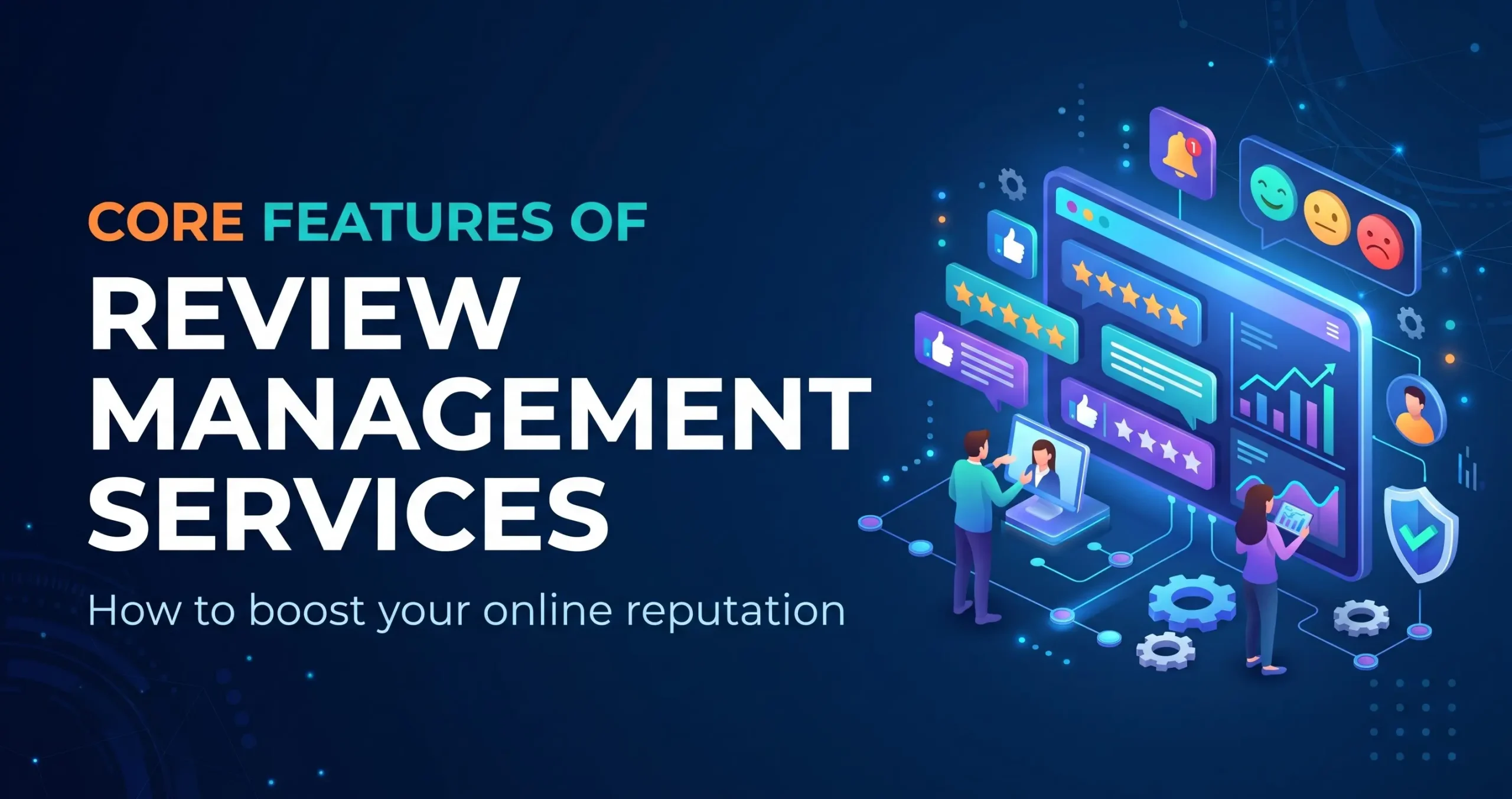
Real-Time Review Monitoring
Advanced review management platforms monitor dozens of review sites simultaneously, sending instant alerts when new reviews appear. This real-time monitoring ensures businesses can respond quickly to both positive and negative feedback.
The monitoring extends beyond just major platforms. Many services track niche industry sites, local business directories, and even social media mentions that could impact your reputation.
Professional Review Responses
Crafting appropriate responses to reviews requires skill and strategy. Review management services employ trained professionals who understand how to respond to different types of feedback while maintaining your brand voice.
These professionals know the nuances of responding to negative reviews without appearing defensive, how to thank customers for positive feedback in meaningful ways, and when silence might be the better option.
Review Generation and Solicitation
The best defense against negative reviews is often a strong offense of positive ones. Review management services implement systematic approaches to encourage satisfied customers to leave reviews.
This might include automated email campaigns, SMS follow-ups, or in-person requests at the point of sale. The key is timing these requests when customer satisfaction is highest.
Analytics and Reporting
Understanding review trends, sentiment changes, and competitive positioning requires sophisticated analytics. Review management services provide detailed reporting on review volume, average ratings, response times, and sentiment analysis. These insights help businesses identify operational issues, track improvement efforts, and make data-driven decisions about customer experience investments.
Benefits of Using a Review Management Service
Time and Resource Efficiency
Managing reviews across multiple platforms can consume significant time and energy. Business owners often find themselves constantly checking various sites, crafting responses, and dealing with crisis situations.
A review management service handles these tasks efficiently, freeing up internal resources to focus on core business operations. The time saved often justifies the investment cost multiple times over.
Professional Expertise
Review management requires understanding platform-specific policies, legal considerations, and communication strategies. Professional services bring years of experience handling various review scenarios. This expertise proves invaluable when dealing with fake reviews, legal threats, or complex customer service issues that require careful navigation.
Improved Search Engine Rankings
Online reviews significantly impact local search rankings. Google and other search engines consider review quantity, quality, and recency when determining local search positions. Professional review management services understand these ranking factors and implement strategies to improve both review metrics and search visibility.
Crisis Prevention and Management
A single viral negative review or coordinated attack can devastate a business. Review management services provide crisis response protocols and damage control strategies. They can quickly identify potential issues before they escalate and implement response strategies to minimize negative impact.
Choosing the Right Review Management Service
Platform Coverage
Different businesses need coverage on different platforms. A restaurant might prioritize Yelp and Google, while an e-commerce business focuses on Amazon and Trustpilot.
Evaluate potential services based on their coverage of platforms most relevant to your industry and customer base. Some services specialize in specific sectors or platform types.
Response Quality and Speed
The quality of review responses directly reflects on your brand. Request samples of previous work and understand the response process and timeline. Some services provide 24/7 response capabilities, while others work on business hour schedules. Consider your needs based on your customer base and review volume.
Pricing Structure
Review management services use various pricing models including monthly subscriptions, per-location fees, or performance-based pricing. Understanding the total cost including setup fees, additional platform coverage, and response services is crucial. Compare pricing not just on cost but on value provided. A more expensive service that prevents one major reputation crisis often pays for itself many times over.
Integration Capabilities
Consider how the service integrates with your existing business systems. Some platforms connect with CRM systems, point-of-sale software, or marketing automation tools. These integrations can automate review solicitation, customer communication, and reporting processes for maximum efficiency.
The Role of Customer Feedback in Business Reputation Management
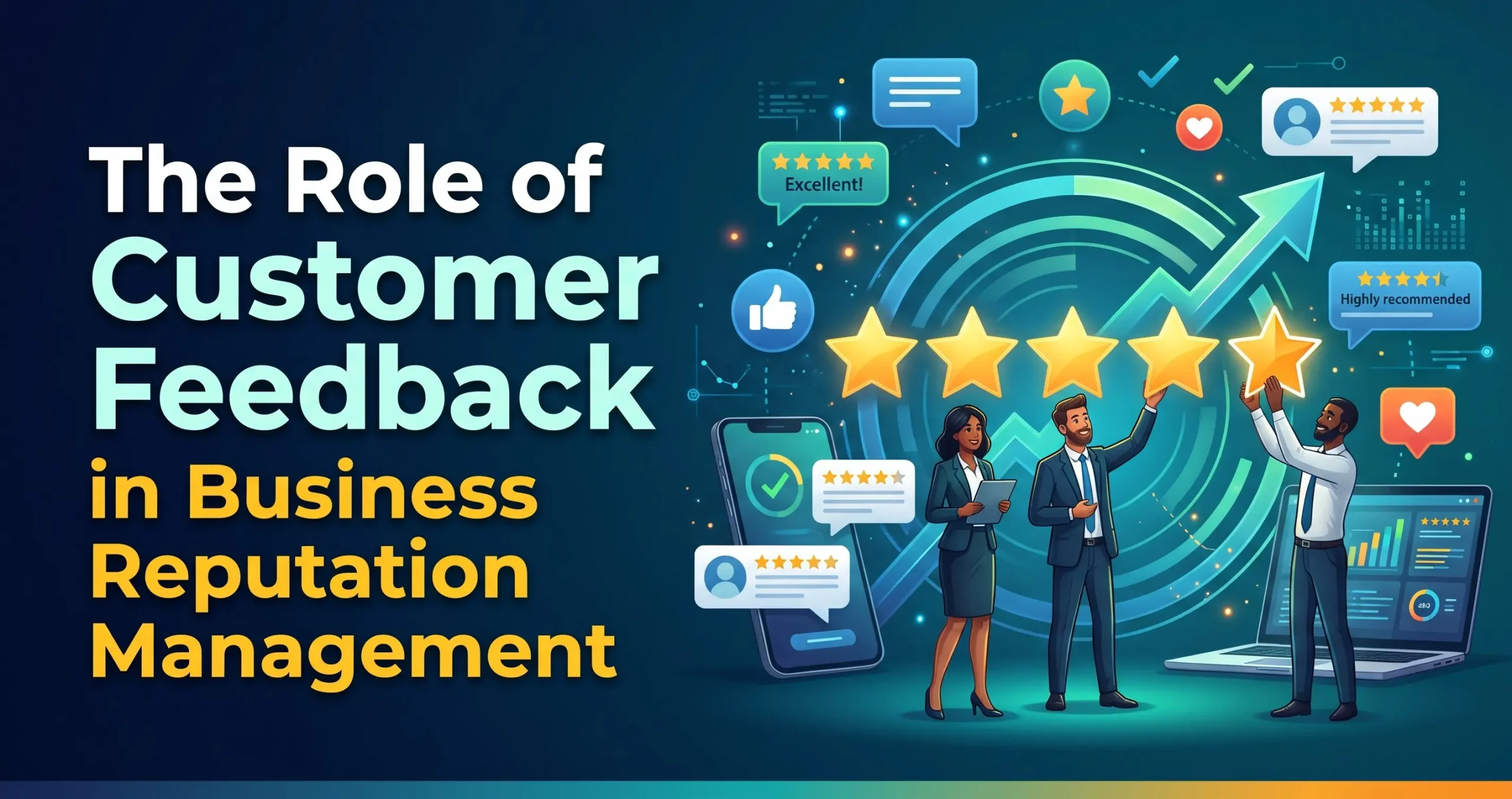 Customer feedback plays an important role in shaping how people perceive a business online. Reviews provide valuable insights into customer expectations, service quality, and areas that require improvement. Businesses that actively collect and analyze feedback can identify recurring problems and make informed decisions to improve customer experiences. Positive feedback also helps establish credibility by showing potential customers that others have had satisfactory experiences with a brand. A professional review management service helps organizations organize customer opinions, identify sentiment trends, and develop effective communication strategies. By treating feedback as an opportunity for continuous improvement, businesses can strengthen customer relationships, improve service standards, and maintain a positive reputation across important digital platforms.
Integrating Review Management With Your Digital Marketing Strategy
Integrating review management with digital marketing creates a more consistent approach to building brand credibility and attracting potential customers. Online reviews influence how audiences evaluate businesses before visiting a website, requesting a service, or making a purchase. When combined with SEO, social media marketing, and content marketing, customer feedback can strengthen overall digital visibility. Businesses can use authentic testimonials, positive customer experiences, and review insights to create more relevant marketing campaigns. A coordinated strategy also helps maintain consistent brand messaging across different online channels. By connecting reputation management with broader marketing activities, organizations can improve customer engagement, strengthen trust, and create more opportunities for sustainable business growth.
Common Challenges and How Services Address Them
Fake and Malicious Reviews
Fraudulent reviews plague many businesses, particularly in competitive markets. Review management services understand platform policies for reporting fake reviews and can navigate the removal process effectively. They also implement monitoring systems to identify suspicious review patterns and can provide documentation to support removal requests.
Overwhelming Review Volume
High-volume businesses can receive dozens or hundreds of reviews monthly across multiple platforms. Managing this volume while maintaining quality responses becomes impossible without professional help. Review management services use templates, automation, and professional staff to handle high volumes while maintaining personalized, appropriate responses.
Negative Review Spirals
Sometimes negative reviews can trigger additional complaints, creating a downward spiral of reputation damage. Professional services understand how to break these cycles through strategic responses and proactive reputation repair. They can implement targeted campaigns to generate positive reviews and gradually shift overall sentiment back in a positive direction.
Getting Started with Review Management
Audit Your Current Reputation
Before engaging a service, conduct a thorough audit of your current online reputation. Search for your business on major review platforms and document current ratings, review volume, and common themes in feedback. This baseline helps evaluate service effectiveness and provides context for developing improvement strategies.
Set Clear Goals and Expectations
Define what success looks like for your review management efforts. This might include target review scores, response time goals, or specific platform priorities. Clear goals help select the right service and provide benchmarks for measuring success over time.
Implement Internal Process Changes
Review management services are most effective when combined with internal improvements to customer experience. Use review feedback to identify and address operational issues.
The best review management strategy combines professional external management with genuine internal improvements to customer satisfaction.
Measuring Success in Review Management
Key Performance Indicators
Track metrics including average review ratings, review volume trends, response rates, and sentiment analysis. Most review management services provide detailed analytics dashboards. Monitor these metrics over time to identify trends and measure the impact of management efforts on overall reputation.
Business Impact Metrics
Connect review management efforts to business outcomes including website traffic, lead generation, and sales conversion rates. Many businesses see measurable improvements in these areas following professional review management implementation. Track customer acquisition costs and lifetime value to understand the ROI of reputation management investments.
Taking Control of Your Online Reputation with SanMo AE
Online reviews and customer feedback continue to shape purchasing decisions, making reputation management an essential part of business growth. Businesses that actively monitor customer opinions, respond to negative feedback, and encourage authentic positive reviews can build stronger credibility and maintain customer trust. Leaving your online reputation unmanaged can create unnecessary risks, including lost customers, reduced conversions, and weakened brand visibility.
SanMo AE helps businesses strengthen their digital presence through strategic online reputation management and digital marketing solutions. With a focus on brand credibility, online visibility, and customer trust, businesses can develop a more consistent and professional online image. Investing in effective reputation management can also support customer acquisition, improve conversion opportunities, and strengthen long-term customer relationships.
Frequently Asked Questions (FAQs)
1. What Is a Review Management Service?
A review management service helps businesses monitor, manage, and improve customer reviews across online platforms such as Google, Facebook, Yelp, and industry-specific websites. These services support review monitoring, professional responses, reputation analysis, and customer feedback strategies to strengthen brand credibility.
2. Why Is Review Management Important for Businesses?
Review management is important because online reviews influence customer trust, purchasing decisions, and brand reputation. Managing customer feedback effectively helps businesses address complaints, highlight positive experiences, improve customer satisfaction, and maintain a competitive online presence.
3. How Does a Review Management Service Work?
A review management service uses monitoring tools and professional strategies to track customer reviews, notify businesses about new feedback, manage responses, and analyze review trends. Some services also help businesses develop ethical review generation campaigns to encourage satisfied customers to share their experiences.
4. Can Review Management Services Remove Negative Reviews?
Review management services cannot directly remove every negative review. However, they can identify fake reviews, document policy violations, and submit appropriate removal requests to review platforms. Genuine negative feedback generally remains unless it violates platform policies or applicable legal requirements.
5. How Can Businesses Get More Positive Customer Reviews?
Businesses can encourage positive reviews by providing excellent customer experiences, requesting honest feedback, and making the review process simple. Sharing direct review links through emails, SMS messages, and follow-up communications can make it easier for satisfied customers to share their opinions.
6. Which Platforms Should Businesses Monitor for Customer Reviews?
Businesses should prioritize platforms where their target customers search for products and services. Google Business Profile, Facebook, Yelp, TripAdvisor, Amazon, and Trustpilot are popular options. The most relevant platforms depend on the business’s industry, location, and target audience.
7. How Does Review Management Improve Local SEO?
Review management supports local SEO by helping businesses maintain an active and credible online presence. Customer reviews, ratings, review responses, and overall customer engagement can contribute to local search visibility. Consistently managing Google Business Profile feedback also helps potential customers evaluate local businesses.
8. How Much Does a Professional Review Management Service Cost?
The cost of a professional review management service depends on factors such as business size, review volume, platform coverage, number of locations, and required features. Some providers offer monthly subscription plans, while others charge per location or provide customized service packages.
9. How Does SanMo AE Help Businesses With Review Management?
SanMo AE helps businesses strengthen their online reputation through strategic digital marketing and reputation management solutions. Its approach focuses on improving brand credibility, strengthening online visibility, managing reputation challenges, and developing a trustworthy digital presence that supports long-term business growth.
10. How Can Businesses Measure the Success of Review Management?
Businesses can measure review management success by tracking average review ratings, total review volume, response rates, customer sentiment, and response times. They can also evaluate website traffic, lead generation, conversion rates, and customer retention to understand how reputation improvements contribute to business performance.