
Mobile technology has transformed how businesses communicate with customers, deliver services, and manage daily operations. Consumers increasingly expect convenient digital experiences that allow them to access products and services through smartphones and tablets. Apps Development Services help businesses meet these expectations by creating applications that improve accessibility, strengthen customer relationships, and support long-term digital growth.
From eCommerce applications to business management platforms, mobile apps provide opportunities to simplify processes and introduce new revenue channels. A well-developed application can help companies improve customer engagement, automate repetitive tasks, and deliver personalized experiences. However, achieving these benefits requires more than creating an attractive interface. Businesses must consider functionality, security, performance, usability, and ongoing maintenance.
Understanding how professional app development supports business objectives allows organizations to make better technology investments and build effective digital strategies.
Understanding Apps Development Services
Apps development involves designing, building, testing, launching, and maintaining applications for mobile devices and other digital platforms. Professional services combine technical expertise, user experience planning, and business requirements to create applications that solve specific problems.
Custom App Development
Custom app development focuses on building applications according to a company’s unique requirements. Unlike generic applications, custom solutions can include specific features, workflows, and integrations that support existing business operations.
For example, an online retailer may need an application with product browsing, secure checkout, order tracking, and customer support features. A customized solution allows the business to organize these functions around its customers and operational needs.
iOS and Android App Development
iOS app development focuses on creating applications for Apple’s mobile operating system, while Android app development targets devices using Google’s Android platform.
Businesses can select one platform or develop applications for both, depending on their audience, budget, and objectives. Cross-platform technologies may also help developers create applications that operate across multiple platforms using shared code.
Enterprise App Development
Enterprise app development creates applications designed to support complex organizational activities. These applications may include employee management systems, internal communication platforms, inventory tools, and customer relationship management solutions.
By connecting different departments and processes, enterprise applications help organizations improve coordination, manage information, and maintain consistent operations.
How Apps Development Services Drive Business Growth
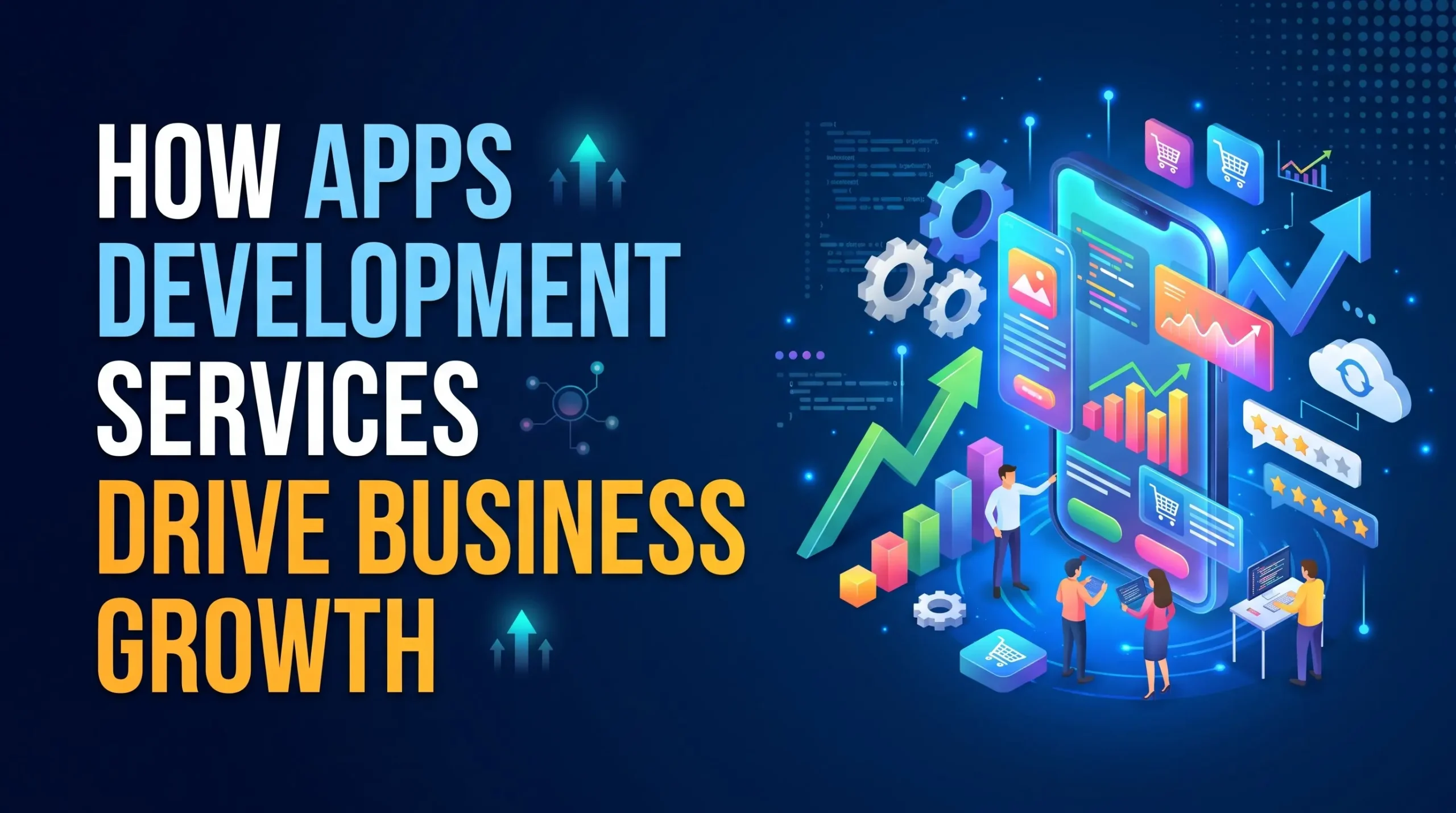 A business application can become an important digital channel for reaching customers and delivering services. It allows organizations to create direct interactions, introduce convenient features, and develop stronger relationships with their target audiences.
Expanding Market Reach
Mobile applications help businesses connect with customers who prefer using smartphones for everyday activities. An application can provide convenient access to products, services, and company information without requiring customers to visit a physical location.
Mobile business solutions can also support businesses targeting different geographic markets. With suitable localization, language options, and payment integrations, companies can create more accessible experiences for diverse customer groups.
Creating New Revenue Opportunities
Applications can introduce additional ways for businesses to generate revenue. eCommerce purchases, subscriptions, premium features, and in-app services can create new commercial opportunities.
In-app monetization allows businesses to generate income through application-based transactions or subscription models. However, monetization strategies should match customer expectations and provide genuine value rather than creating unnecessary barriers.
Strengthening Competitive Advantage
Businesses operating in competitive markets need ways to differentiate their products and services. A well-designed application can provide convenient features, personalized experiences, and faster access to essential services.
Digital transformation through application development allows organizations to modernize traditional processes and respond to changing customer expectations. This can help businesses remain relevant as their industries become increasingly technology-driven.
Improving Customer Engagement Through Mobile Applications
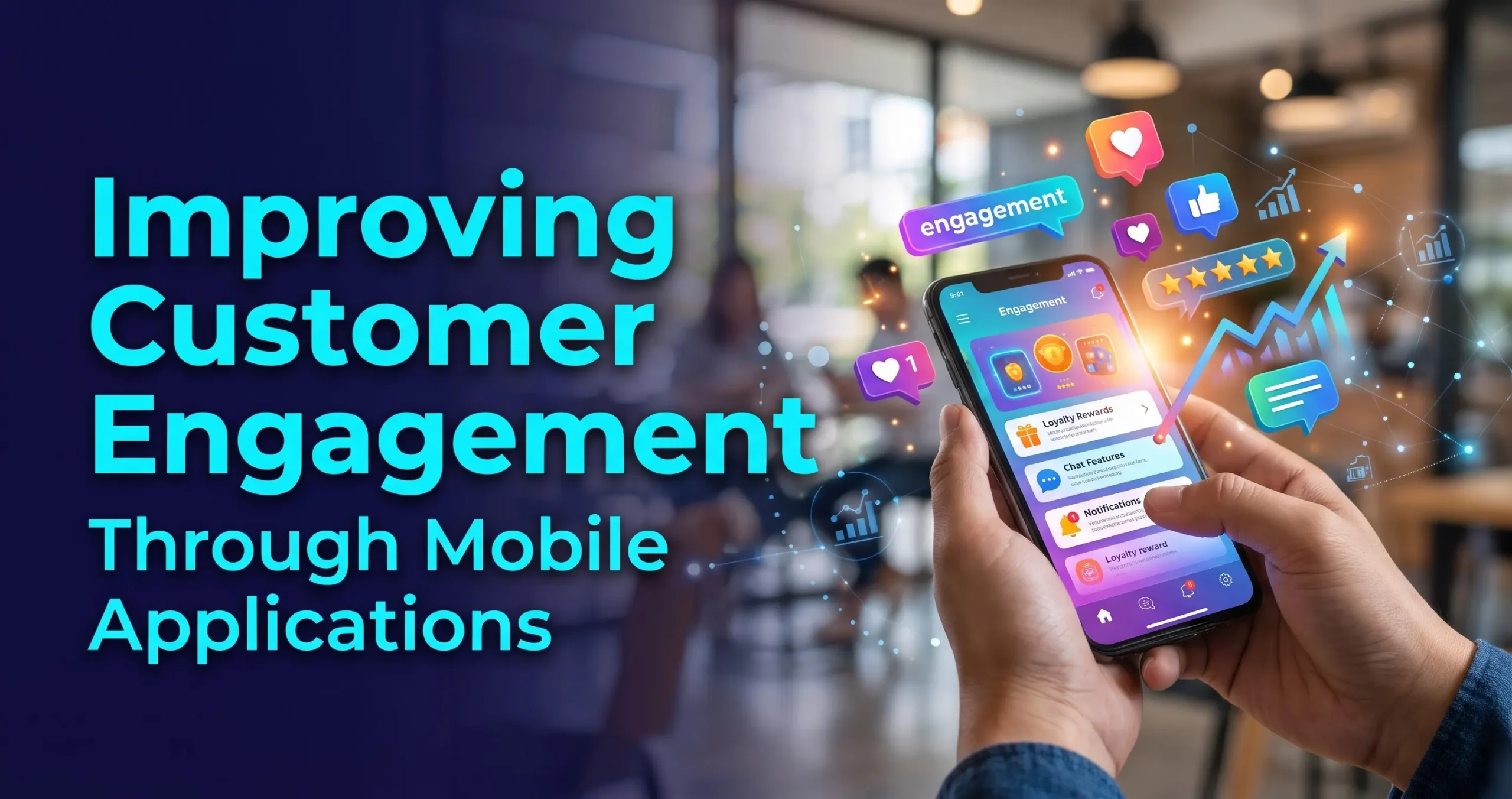 Customer engagement is essential for developing long-term relationships and encouraging repeat business. Mobile applications provide direct communication channels that allow companies to interact with customers, understand their preferences, and deliver relevant information.
Personalized User Experiences
Customers often appreciate applications that provide relevant recommendations and experiences based on their interests. Businesses can use customer preferences, purchase history, and interaction data to improve application content and functionality.
Personalized app experiences can make it easier for users to discover relevant products, access useful features, and complete desired actions. Personalization should always respect customer privacy and follow applicable data protection requirements.
Push Notifications and Customer Communication
Push notification services allow businesses to send relevant updates directly to users’ devices. Companies can use notifications for order confirmations, appointment reminders, service updates, and promotional announcements.
When implemented carefully, push notifications help businesses maintain communication with customers. However, excessive or irrelevant messages may reduce engagement, so notification frequency and content should be managed thoughtfully.
Loyalty Programs and Customer Retention
Mobile applications can support digital loyalty programs that reward customers for purchases, subscriptions, or other qualifying activities. Customers may access reward balances, promotional offers, and membership benefits through their accounts.
Customer retention strategies become more effective when businesses provide convenient ways for customers to interact with their services. A useful application can encourage repeat visits and strengthen ongoing relationships.
Boosting Business Productivity With App Development
Mobile applications can improve internal productivity by simplifying workflows and making important business information accessible. Employees can use dedicated applications to communicate, manage tasks, monitor operations, and complete responsibilities more efficiently.
Workflow Automation
Manual administrative activities can consume significant time and create unnecessary operational complexity. Applications can automate tasks such as appointment scheduling, order processing, data collection, and approval management.
Business process automation helps reduce repetitive work and improve consistency across daily operations. Employees can spend more time on responsibilities that require decision-making, customer interaction, and problem-solving.
Employee Collaboration
Applications can provide shared workspaces, communication features, document access, and task management tools. These capabilities help employees coordinate responsibilities even when they work across different locations.
Employee collaboration tools improve information sharing and reduce communication gaps between departments. When connected with existing business systems, they can also create a more organized working environment.
Real-Time Business Management
Real-time access to business information allows managers to monitor activities and respond to operational changes more quickly. Applications can display sales updates, inventory levels, customer requests, and project progress.
Real-time data management improves visibility across important business activities. It also helps decision-makers identify issues earlier and maintain better control over daily operations.
Essential Features of a Successful Business Application
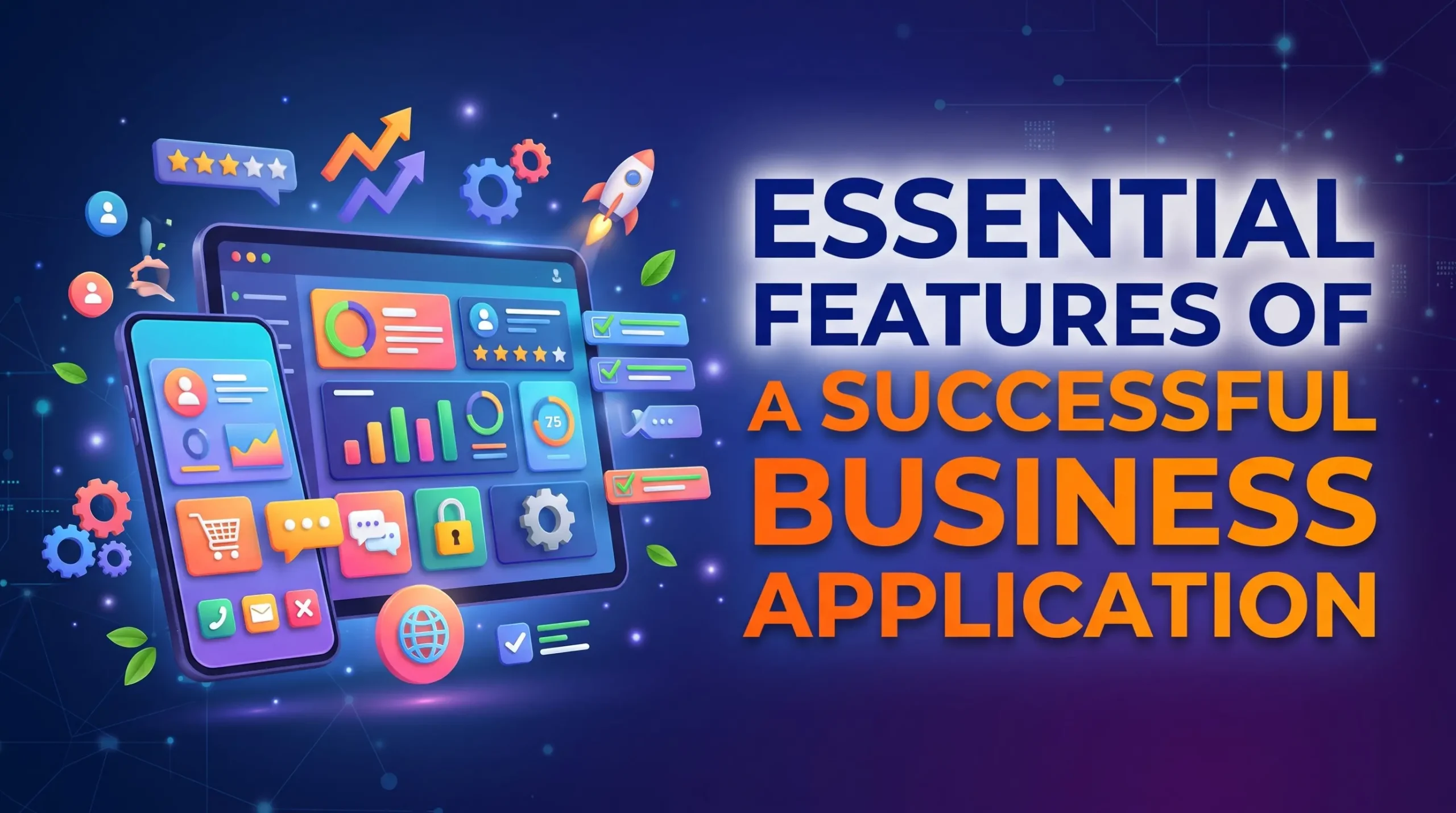 An application’s success depends on how effectively its features address user needs and business objectives. Businesses should prioritize functionality, security, performance, and usability rather than adding unnecessary features that complicate the user experience.
User-Friendly Interface and Navigation
UI/UX design plays an important role in application usability. A clear interface helps users understand available features and complete tasks without unnecessary confusion.
Developers should consider readable typography, consistent layouts, accessible controls, and logical navigation. Effective user experience design can improve satisfaction and encourage customers to continue using the application.
Secure Authentication and Data Protection
Applications may handle personal details, account information, transaction records, and other sensitive data. Strong security practices are therefore essential throughout the development process.
Mobile app security can include secure authentication, encryption, access controls, and regular vulnerability testing. Businesses should also apply suitable privacy policies and collect only the information necessary for their services.
Payment Gateway Integration
Businesses offering paid products or services may need integrated payment functionality. Payment gateway integration allows applications to connect with payment providers and support supported digital transactions.
Depending on the provider and target market, payment options may include debit cards, credit cards, digital wallets, and other local payment methods. Secure payment processing helps create a convenient purchasing experience while protecting transaction information.
Performance and Application Speed
Slow loading times and frequent crashes can discourage users from continuing to use an application. Developers must optimize application code, manage resources efficiently, and test performance across supported devices.
Mobile app performance optimization helps applications operate smoothly under different network and device conditions. Regular monitoring also helps identify technical issues before they significantly affect users.
Choosing the Right App Development Approach
Selecting the right development approach depends on the application’s purpose, target audience, budget, technical requirements, and future plans. Businesses should evaluate different technologies before deciding how their applications will be built and maintained.
Native App Development
Native app development involves building applications specifically for iOS or Android using platform-specific technologies. This approach can provide strong access to device capabilities and platform features.
Native development may be suitable for applications requiring advanced performance, complex functionality, or specialized hardware integration. However, developing separate applications for different platforms can increase development and maintenance costs.
Cross-Platform App Development
Cross-platform app development allows developers to build applications for multiple operating systems using shared code. Frameworks such as Flutter and React Native are commonly used for this approach.
Cross-platform development can reduce duplicated development work and help businesses reach users across different devices. The suitability of this approach depends on application complexity, performance requirements, and access to native device features.
Progressive Web Applications
Progressive Web Apps (PWAs) combine web technologies with application-like functionality. Users can access them through supported browsers, and some features may allow installation or offline access depending on browser and device capabilities.
PWAs can be useful for businesses that want to provide accessible digital experiences without developing separate native applications. However, they may not support every device feature available through native development.
The App Development Process: From Planning to Launch
A structured development process helps businesses control project requirements, manage technical decisions, and maintain quality throughout application creation. Each stage contributes to building a solution that meets user expectations and business objectives.
Research and Requirement Analysis
The process begins with understanding the business problem, target audience, application goals, and required features. Market research helps identify customer expectations, competitor offerings, and potential opportunities.
Developers and business stakeholders use this information to define project scope, technical requirements, and priorities. Clear planning reduces misunderstandings and helps establish realistic development expectations.
UI/UX Design and Development
After planning, designers create application layouts, user journeys, and interactive prototypes. The development team then converts approved designs into functional application components.
App prototyping allows stakeholders to review the proposed experience before full development progresses. Feedback at this stage can help identify usability issues and improve the final product.
Testing and Deployment
Before launch, the application should undergo functionality, compatibility, security, and performance testing. Mobile app testing helps identify defects and verify that important features work as expected across supported devices.
After testing and approval, the application can be prepared for deployment through the relevant distribution channels. Businesses should also plan for app store requirements, launch communication, and user support.
App Maintenance and Long-Term Business Success
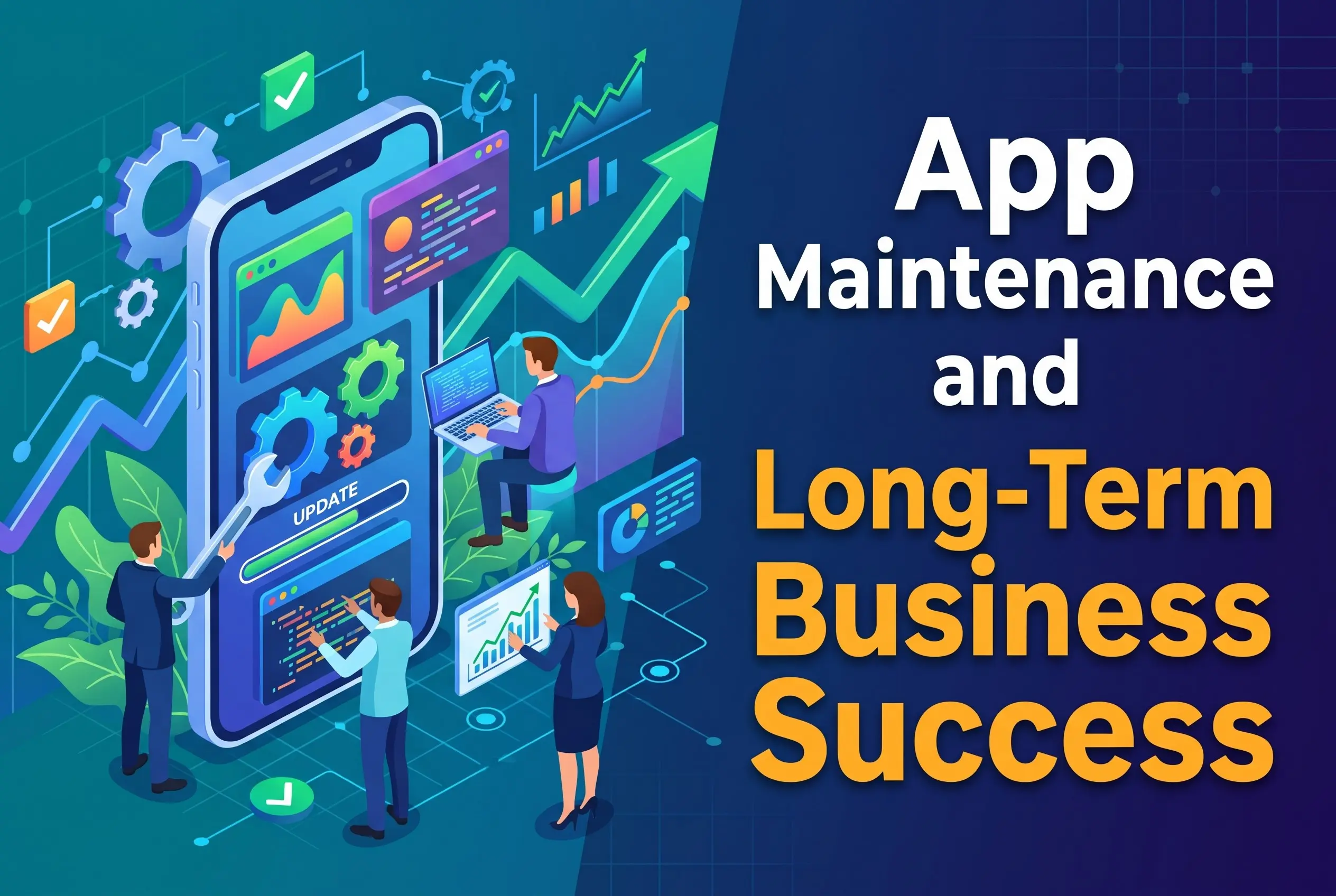 Launching an application is not the final stage of development. Technology changes, customer expectations evolve, and operating systems receive regular updates. Ongoing maintenance helps applications remain secure, reliable, and useful over time.
Regular Updates and Bug Fixes
App maintenance services help developers resolve technical issues, improve existing features, and maintain compatibility with supported devices. Regular updates can also address security vulnerabilities and improve application stability.
Businesses should monitor user feedback and technical performance to determine which improvements are necessary.
Feature Enhancements and Scalability
As businesses grow, their applications may require additional functionality, integrations, or infrastructure improvements. Scalable app architecture helps applications accommodate increasing users, data, and operational requirements.
Continuous improvements allow businesses to adapt their applications to new opportunities without rebuilding the entire system unnecessarily.
Analytics and Performance Monitoring
App analytics provides information about user behavior, engagement, retention, and feature usage. Businesses can use this information to understand which features are performing well and where users experience difficulties.
Monitoring application performance and customer feedback supports informed decisions about future updates. This creates an ongoing improvement process that connects technology investments with business results.
Conclusion
Apps Development Services help businesses achieve digital success by creating applications that improve customer engagement, streamline operations, and support new revenue opportunities. From custom mobile applications to enterprise platforms, the right solution can make business processes more efficient and provide customers with convenient digital experiences.
However, successful application development requires careful planning, user-focused design, reliable technology, strong security, and continuous maintenance. Businesses should select development approaches according to their objectives, target audiences, and long-term requirements. SanMo AE focuses on digital solutions and technology-related services that support businesses in strengthening their online presence and pursuing digital growth.
Frequently Asked Questions (FAQs)
1. What are Apps Development Services?
Apps Development Services involve designing, developing, testing, launching, and maintaining applications for mobile devices and other digital platforms. They help businesses create solutions that support customer engagement and operational requirements.
2. How can app development help businesses grow?
App development helps businesses reach more customers, introduce digital services, improve customer experiences, and create additional revenue opportunities through mobile platforms.
3. What is the difference between native and cross-platform app development?
Native development creates applications specifically for an operating system, while cross-platform development uses shared code to support multiple platforms. The best approach depends on performance, functionality, and budget requirements.
4. How much does business app development cost?
The cost depends on application complexity, features, design requirements, development technology, integrations, and ongoing maintenance. Businesses should define their requirements before requesting project estimates.
5. Why is UI/UX design important for mobile applications?
UI/UX design makes applications easier to understand and navigate. A user-friendly experience can improve customer satisfaction, reduce usability problems, and encourage continued application usage.
6. What features should a successful business app include?
A business application may require secure authentication, intuitive navigation, reliable performance, customer support, payment integration, and analytics. The necessary features depend on its purpose and target users.
7. How does app development improve business productivity?
Applications can automate repetitive tasks, simplify communication, manage workflows, and provide real-time business information. These capabilities help employees complete tasks more efficiently.
8. Are mobile applications secure for business use?
Mobile applications can be designed with strong security measures such as encryption, authentication, access controls, and vulnerability testing. Their security also depends on proper implementation and ongoing maintenance.
9. Why do business applications need regular maintenance?
Regular maintenance helps fix bugs, address security vulnerabilities, improve performance, maintain compatibility, and introduce new features as business requirements change.
10. How do I choose the right app development company?
Evaluate technical expertise, previous projects, development processes, communication, security practices, pricing, and post-launch support. Choose a partner that understands your business objectives and long-term requirements.