In today’s competitive digital marketplace, maintaining a strong brand presence requires more than offering quality products or services. Businesses must understand how customers perceive their brands, monitor industry conversations, and identify what competitors are doing to attract potential customers. This is where Brand Monitoring Services become essential for sustainable business growth. They help organizations track online mentions, analyze customer sentiment, identify market opportunities, and respond to potential reputation threats before they become serious problems.
For businesses operating in the United Arab Emirates, staying informed about changing customer expectations and competitor activities is particularly important. A professional monitoring strategy provides valuable insights that support better marketing decisions, stronger customer relationships, and improved brand positioning. SanMo AE helps businesses strengthen their digital presence through strategic monitoring and reputation management solutions.
Understanding Brand Monitoring Services
Brand monitoring involves tracking online conversations, mentions, reviews, and discussions related to a business, its products, services, and competitors. It helps organizations understand how their brands appear across different digital platforms and what customers are saying about their experiences.
Professional Brand Monitoring Services use monitoring tools and analytical techniques to collect relevant information from websites, social media platforms, review sites, forums, blogs, and online publications. These insights allow businesses to evaluate their market position and make informed decisions.
How Brand Monitoring Works
The process begins by identifying important brand-related keywords, company names, product names, and competitor terms. Monitoring tools continuously search relevant digital channels to identify new mentions and discussions.
The collected information is then evaluated through Online Brand Tracking, sentiment analysis, and competitor research. Businesses can use these findings to understand customer opinions, recognize emerging trends, and develop more effective marketing strategies.
Identifying Competitor Strategies Before They Become Threats
 Understanding competitor activities is essential for maintaining a competitive advantage. Businesses that regularly monitor their competitors can identify changes in pricing, promotional campaigns, product launches, and customer engagement strategies.
Competitor Monitoring provides valuable information about how other companies position their brands and communicate with their audiences. These insights help businesses recognize potential threats and adjust their strategies accordingly.
Tracking Competitor Marketing Activities
Monitoring competitor websites, social media accounts, advertisements, and promotional content helps businesses understand which marketing approaches are gaining attention.
For example, if a competitor introduces a new service promotion that attracts significant customer engagement, businesses can evaluate the strategy and identify opportunities to improve their own campaigns. This approach supports smarter decisions without simply copying competitors.
Recognizing Competitor Strengths and Weaknesses
Competitor analysis also reveals areas where other businesses perform well and where they struggle. Negative customer feedback about a competitor’s service quality, communication, or delivery experience may highlight an opportunity for another business to provide a better solution. Through Competitive Intelligence, companies can identify market gaps, improve their offerings, and strengthen their competitive positioning.
Protecting Brand Reputation Through Continuous Monitoring
A company’s reputation directly influences customer confidence and purchasing decisions. Negative reviews, misleading information, unresolved complaints, or public criticism can damage brand credibility if businesses fail to address them appropriately.
Professional monitoring helps organizations identify potential reputation issues early and respond with relevant information. This proactive approach reduces the possibility of small concerns developing into larger public relations problems.
Detecting Negative Mentions Early
Businesses can monitor negative comments, customer complaints, unfavorable reviews, and discussions that may affect public perception. Online Reputation Monitoring allows companies to identify these issues across multiple platforms. Early detection gives businesses an opportunity to investigate concerns, communicate professionally, and provide suitable solutions before negative conversations spread further.
Managing Brand Reputation Consistently
Consistent communication is essential when handling public feedback. Businesses should acknowledge legitimate concerns, provide accurate information, and demonstrate a genuine commitment to improving customer experiences.
Reputation Management works alongside brand monitoring by helping organizations maintain a positive digital presence. SanMo AE supports businesses in developing stronger online reputations through strategic digital marketing and reputation-focused solutions.
Understanding Customer Sentiment and Expectations
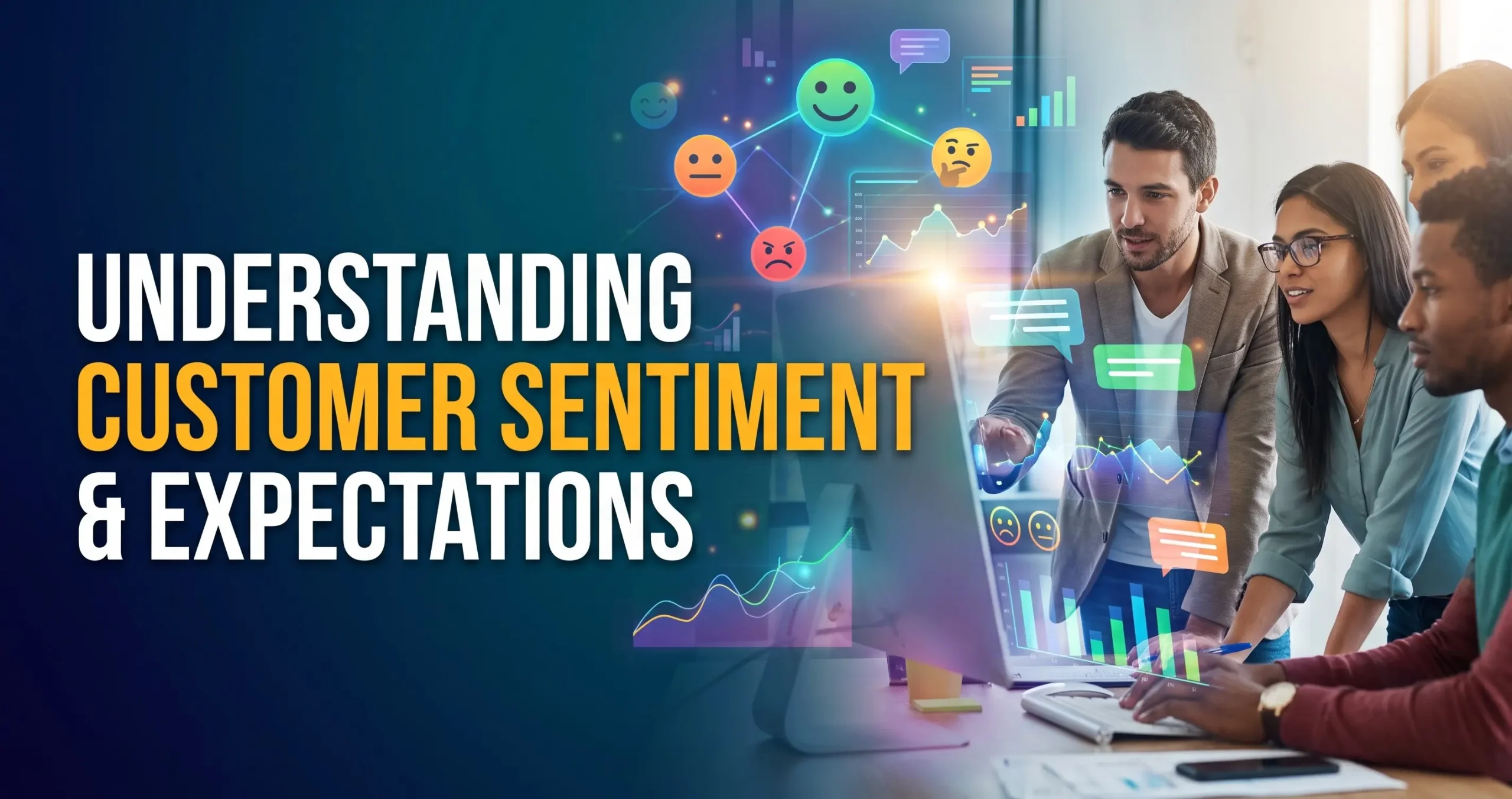 Customer opinions provide valuable information about how a business performs in the marketplace. Monitoring online conversations helps companies understand what customers appreciate, what frustrates them, and what improvements they expect.
Customer Sentiment Analysis evaluates whether online discussions express positive, negative, or neutral opinions about a brand. These insights help businesses understand customer attitudes beyond basic engagement numbers.
Analyzing Customer Feedback
Customer reviews, social media comments, forum discussions, and online recommendations can reveal recurring opinions about products and services. For example, repeated complaints about customer support response times may indicate a need to improve communication processes. Similarly, positive feedback about product quality can help businesses identify their strongest selling points.
Improving Customer Experience
Understanding customer expectations makes it easier to improve service delivery and communication. Through Customer Experience Monitoring, businesses can identify recurring problems, evaluate customer satisfaction, and make improvements based on actual feedback. A better customer experience can encourage repeat purchases, stronger relationships, and positive recommendations.
Discovering New Market Opportunities and Industry Trends
Market conditions and customer preferences change continuously. Businesses that fail to recognize emerging trends may lose opportunities to competitors that respond more quickly.
Brand monitoring provides access to conversations about industry developments, new customer requirements, emerging products, and changing consumer interests.
Identifying Emerging Industry Trends
Monitoring industry publications, social media discussions, blogs, and relevant online communities helps businesses identify topics receiving increasing attention.
Social Listening allows organizations to understand broader conversations surrounding their industries. These insights can reveal emerging customer demands and provide ideas for new products, services, and marketing campaigns.
Finding Untapped Market Opportunities
Customer discussions often reveal problems that existing products or services do not adequately address. Businesses can analyze these conversations to identify underserved audiences and potential service improvements.
Market Research Insights gathered through monitoring help companies recognize these opportunities and develop strategies that better match customer needs.
Improving Digital Marketing Strategies With Real-Time Insights
 Successful marketing depends on understanding audiences and delivering relevant messages. Brand monitoring provides information about customer interests, campaign performance, competitor activities, and popular industry discussions. Businesses can use these findings to improve their marketing decisions and allocate resources more effectively.
Creating Relevant Marketing Content
Monitoring customer questions and industry conversations helps businesses identify subjects that matter to their target audiences. Content Marketing Strategy becomes more effective when content addresses real customer concerns rather than relying on assumptions. Companies can develop informative blog posts, social media content, and educational resources that respond to audience interests.
Optimizing Social Media Engagement
Social media monitoring helps businesses understand how audiences interact with their brands and marketing campaigns. Social Media Monitoring identifies brand mentions, customer questions, trending discussions, and engagement opportunities. Companies can use this information to improve communication, participate in relevant conversations, and build stronger relationships with potential customers.
Strengthening Customer Trust and Brand Loyalty
Customer trust develops through consistent experiences, transparent communication, and reliable service. Businesses that actively monitor online feedback can demonstrate that they value customer opinions and take concerns seriously.
Brand monitoring helps organizations maintain meaningful communication while identifying opportunities to strengthen customer relationships.
Responding to Customer Questions and Concerns
Customers expect businesses to respond when they mention a brand or raise concerns online. Monitoring tools help identify these conversations even when customers do not directly tag the company’s official account.
Timely communication can improve customer satisfaction and prevent misunderstandings. Professional responses also demonstrate accountability and help maintain a trustworthy brand image.
Encouraging Positive Brand Advocacy
Satisfied customers can become valuable brand advocates when they voluntarily recommend products and services. Brand Advocacy develops when customers have positive experiences and feel confident sharing their opinions. Businesses can identify positive mentions, appreciate customer support, and build stronger relationships with loyal audiences.
Measuring Brand Performance and Competitive Position
 Businesses need measurable information to understand whether their branding and marketing strategies are producing meaningful results. Monitoring provides performance data that helps organizations evaluate their visibility, reputation, and market position.
Tracking Important Brand Metrics
Companies can monitor brand mentions, sentiment changes, share of voice, customer engagement, review trends, and competitor visibility. Brand Performance Analysis helps businesses understand how their digital presence changes over time. These measurements also make it easier to identify successful campaigns and areas requiring improvement.
Evaluating Share of Voice
Share of Voice measures how frequently a brand appears in relevant online conversations compared with competing brands. A growing share of voice may indicate increased brand visibility and audience interest. However, businesses should evaluate both the volume and sentiment of mentions to understand whether greater visibility reflects positive or negative attention.
Why Businesses Should Choose Professional Brand Monitoring Services
Although businesses can manually search for brand mentions, managing multiple platforms and analyzing large amounts of information can become difficult. Professional monitoring solutions provide a more structured approach to collecting, organizing, and evaluating relevant data.
Access to Advanced Monitoring Tools
Professional services can use monitoring platforms to track mentions across websites, social media channels, review platforms, and other digital sources.
Real-Time Brand Alerts help businesses identify important discussions quickly. Automated reporting and analytical tools also reduce manual work and make monitoring more consistent.
Better Strategic Decision-Making
Professional monitoring provides insights that support business planning, marketing improvements, and reputation protection. Businesses can use these findings to evaluate competitors, understand customers, identify risks, and recognize opportunities. SanMo AE helps organizations strengthen their digital marketing efforts through strategic online visibility and reputation management solutions.
How SanMo AE Helps Businesses Stay Ahead of Competitors
SanMo AE understands that maintaining a competitive position requires continuous attention to brand visibility, customer perception, and online reputation. Businesses need reliable strategies to understand their digital environment and respond effectively to market changes.
Through its digital marketing and reputation management expertise, SanMo AE helps businesses develop a stronger online presence and improve how their brands connect with customers. A strategic approach to Brand Monitoring Services can help organizations identify important online conversations, recognize competitor activities, and understand customer expectations. These insights support more informed marketing decisions and long-term brand development.
Conclusion
Staying ahead of competitors requires businesses to understand more than their own products and services. They must continuously evaluate customer opinions, competitor activities, market trends, and online reputation. Professional Brand Monitoring Services provide the insights needed to identify opportunities, manage potential threats, improve customer experiences, and strengthen brand positioning.
By combining online monitoring with competitor intelligence, sentiment analysis, and reputation management, businesses can make smarter strategic decisions. With a consistent monitoring approach and support from SanMo AE, organizations can build stronger digital visibility, maintain customer trust, and create sustainable competitive advantages.
Frequently Asked Questions (FAQs)
1. What Are Brand Monitoring Services?
Brand Monitoring Services help businesses track online mentions, reviews, customer discussions, and competitor activities. They provide insights into brand reputation, customer sentiment, and market visibility.
2. Why Are Brand Monitoring Services Important for Businesses?
They help businesses understand customer opinions, identify competitor strategies, detect reputation risks, and discover new market opportunities. These insights support better marketing decisions and long-term business growth.
3. How Do Brand Monitoring Services Help Businesses Stay Ahead of Competitors?
They provide information about competitor campaigns, customer feedback, industry trends, and market positioning. Businesses can use these insights to improve their strategies and respond to market changes.
4. What Platforms Should Businesses Monitor?
Businesses should monitor social media platforms, search engines, review websites, online forums, blogs, news publications, and industry-specific communities where customers discuss their brands.
5. What Is the Difference Between Brand Monitoring and Social Listening?
Brand monitoring focuses on tracking brand mentions, reviews, and relevant online discussions. Social listening goes further by analyzing broader conversations, customer interests, and industry trends to identify strategic opportunities.
6. Can Brand Monitoring Help Prevent Reputation Damage?
Yes. It helps businesses identify negative mentions, customer complaints, and potentially misleading information early. Timely investigation and professional responses can reduce reputational risks.
7. How Does Competitor Monitoring Improve Marketing Strategies?
Competitor monitoring reveals information about competing brands’ campaigns, customer engagement, promotional activities, and market positioning. Businesses can use these insights to identify gaps and improve their marketing approaches.
8. What Is Customer Sentiment Analysis in Brand Monitoring?
Customer sentiment analysis evaluates online conversations to understand whether customers express positive, negative, or neutral opinions about a business, product, or service.
9. How Often Should Businesses Monitor Their Brands?
Businesses should ideally monitor their brands continuously using automated tools and review performance reports regularly. Monitoring frequency may depend on brand size, industry competition, and reputation risks.
10. Can Small Businesses Benefit From Brand Monitoring Services?
Yes. Small businesses can use brand monitoring to understand customer feedback, track competitors, improve online visibility, and identify growth opportunities without requiring a large marketing team.