Your brand’s reputation can change overnight. One viral complaint, a product recall, or even a case of mistaken identity can send your carefully built reputation into a tailspin. The good news? You don’t have to wait for disaster to strike.
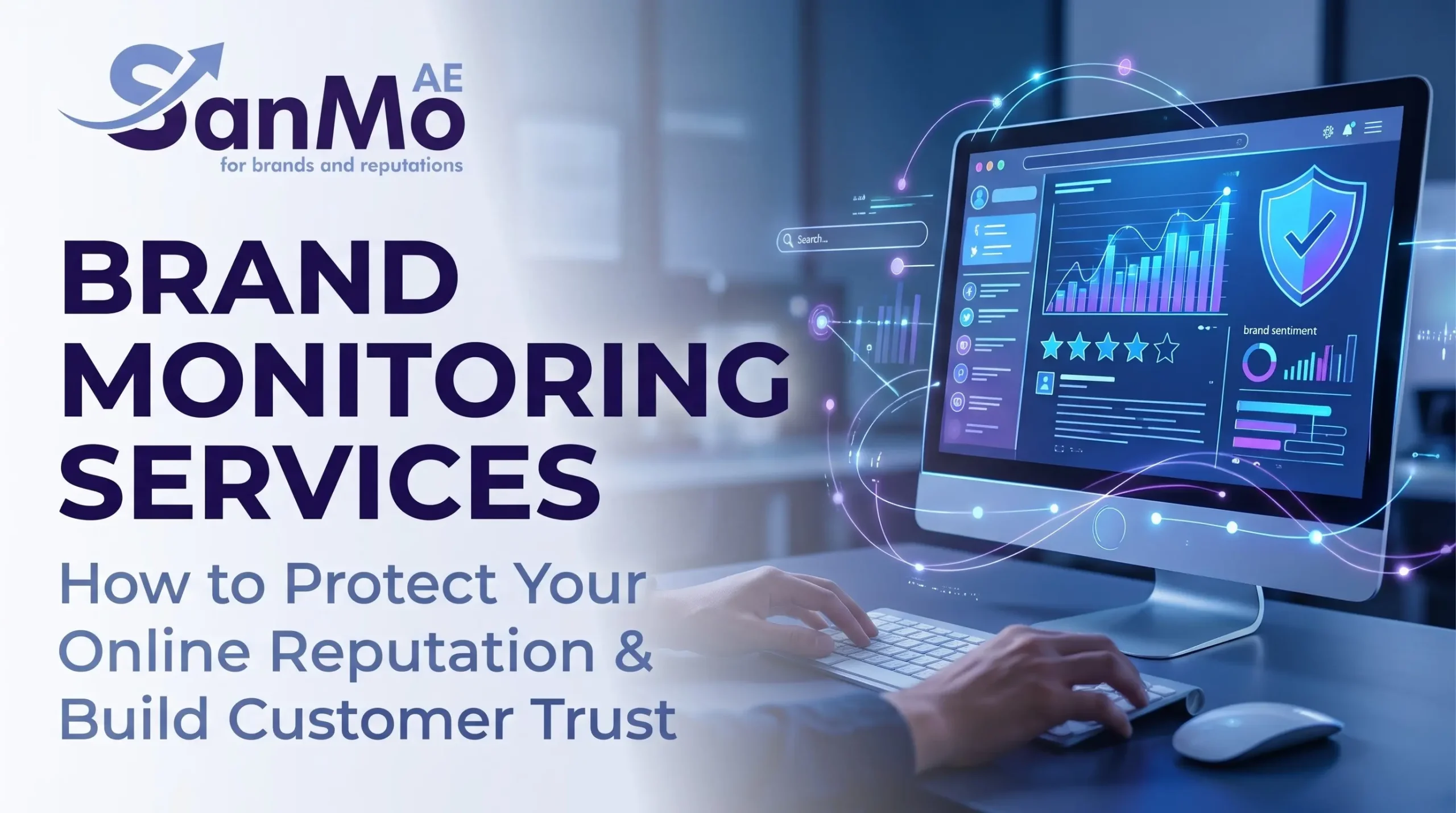
Brand monitoring services act as your early warning system, tracking what people say about your business across the internet. From social media mentions to news articles, review sites to forums, these tools help you stay ahead of potential crises while identifying opportunities to engage with your audience.
This guide will walk you through everything you need to know about brand monitoring services—what they are, why they matter, and how to choose the right solution for your business.
What Are Brand Monitoring Services?
Brand monitoring services are tools and platforms that track mentions of your brand name, products, key personnel, and competitors across digital channels. Think of them as your brand’s personal search engine, constantly scanning the web for any reference to your business.
These services monitor various sources including social media platforms, news websites, blogs, forums, review sites, and even podcasts. When someone mentions your brand, the service alerts you in real-time or through regular reports, allowing you to respond quickly and appropriately.
Modern brand monitoring goes beyond simple keyword tracking. Advanced services use artificial intelligence and natural language processing to understand context, sentiment, and the potential impact of each mention. This means you’ll know not just when someone talks about your brand, but whether they’re praising or criticizing it.
Why Brand Monitoring Services Matter for Your Business

Protect Your Reputation
Reputation management starts with awareness. Brand monitoring services help you catch negative feedback before it spreads, giving you the chance to address issues directly with unhappy customers. When you respond quickly and professionally to complaints, you often turn critics into advocates.
Identify Customer Service Opportunities
Many customers share their experiences on social media without directly contacting your support team. Brand monitoring helps you find these conversations and provide helpful responses, showing that you care about every customer’s experience.
Track Competitor Activity
Understanding what people say about your competitors provides valuable market intelligence. You can identify gaps in their offerings, learn from their mistakes, and discover opportunities to differentiate your brand.
Measure Marketing Campaign Effectiveness
Brand monitoring services show you how your marketing campaigns perform in the real world. Track mention volume, sentiment changes, and engagement levels to understand which messages resonate with your audience.
Discover Influencer Partnerships
Find people who already love your brand and have engaged followings. These organic brand advocates often make the best influencer partners because their endorsements feel authentic to their audience.
Key Features to Look for in Brand Monitoring Services
Comprehensive Source Coverage
The best brand monitoring services track your business mentions across multiple digital channels. Look for platforms that cover social media networks, news websites, blogs, forums, review platforms, and video-sharing sites. Wider coverage helps you understand how customers, industry experts, and online communities discuss your brand. Some advanced services also monitor traditional media, including television and radio, giving businesses a broader view of their public reputation.
Real-Time Alerts
Speed is essential when protecting your brand reputation. Choose brand monitoring services that provide real-time notifications whenever important mentions or potential issues appear online. Quick alerts allow your team to respond to customer complaints, negative feedback, and emerging discussions before they gain wider attention. Regular digest reports are also useful for reviewing general brand activity without receiving unnecessary notifications throughout the day.
Sentiment Analysis
Sentiment analysis helps businesses understand the emotions behind online conversations. Instead of simply identifying brand mentions, advanced monitoring tools evaluate whether comments are positive, negative, or neutral. This information helps you recognize customer satisfaction, identify recurring complaints, and prioritize important discussions. Some platforms also use AI to understand context, sarcasm, and more nuanced opinions, although automated results may still require human review.
Competitor Tracking
Monitoring competitors alongside your own brand provides valuable market insights. You can discover what customers appreciate about competing businesses, identify common complaints, and understand how other brands communicate with their audiences. These insights help you compare brand visibility, recognize market opportunities, and improve your positioning. Competitor tracking also supports better marketing decisions by revealing industry trends and changing customer expectations.
Reporting and Analytics
Effective brand monitoring services should provide clear reports that turn online conversations into useful business insights. Look for analytics covering mention volume, sentiment trends, engagement levels, and the sources generating the most discussions. These reports help you evaluate reputation changes, identify patterns, and measure the impact of your marketing activities. Visual dashboards also make it easier to communicate findings and make informed decisions.
Integration Capabilities
Integration capabilities help connect brand monitoring services with your existing business tools. Platforms that integrate with CRM systems, social media management software, and customer service applications can make it easier to manage online conversations. For example, customer mentions can be directed to the appropriate team for follow-up. This creates a more organized workflow, reduces manual work, and helps ensure important customer feedback receives attention.
Popular Brand Monitoring Service Options
Enterprise Solutions
Large businesses often require advanced brand monitoring platforms that can manage high volumes of online mentions across multiple markets and digital channels. These solutions typically include detailed analytics, AI-powered sentiment analysis, customizable reporting, and team collaboration features. Some also provide dedicated account management and workflow automation. Enterprise solutions are particularly useful for organizations with multiple departments, large customer bases, and complex reputation management requirements.
Mid-Market Tools
Growing businesses need monitoring solutions that offer strong functionality without the complexity or cost of enterprise platforms. Mid-market tools generally provide a balance between comprehensive source coverage, real-time alerts, competitor tracking, and user-friendly dashboards. They help marketing teams understand customer conversations, monitor brand performance, and identify potential reputation risks. These platforms are suitable for businesses looking to expand their digital presence while maintaining better control over online brand discussions.
Small Business and Startup Options
Small businesses and startups can benefit from affordable brand monitoring tools that help them understand how customers perceive their brands. Free and low-cost platforms often provide basic keyword tracking, social media alerts, and online mention notifications. Although these solutions may offer fewer advanced features, they can still help emerging businesses identify customer feedback, respond to complaints, and discover relevant conversations. As the business grows, its monitoring strategy can gradually become more comprehensive.
Social Media-Focused Services
Social media-focused brand monitoring services help businesses track conversations across platforms where customers actively discuss products, services, and brand experiences. These tools often provide platform-specific insights, hashtag tracking, engagement metrics, and audience sentiment analysis. They allow marketing teams to identify trending discussions, respond to customer questions, and understand how social media campaigns influence brand perception. Businesses with an active social media presence can use these insights to improve communication and build stronger audience relationships.
How to Implement Brand Monitoring Effectively
Define Your Keywords
Start by identifying the keywords that are directly connected to your business. Include your company name, product names, service names, brand slogans, and key executives. You should also consider common misspellings, abbreviations, and alternative phrases customers may use when discussing your business online. A well-organized keyword list helps monitoring tools discover relevant conversations and reduces the chances of missing important brand mentions.
Set Up Alert Priorities
Not every online mention requires an immediate response. Configure your monitoring alerts based on the importance and urgency of each conversation. Negative reviews, serious customer complaints, and potential reputation crises should receive immediate attention. Positive mentions, general discussions, and industry updates can be reviewed through regular reports. This approach helps your team focus on important issues while avoiding unnecessary notifications.
Establish Response Protocols
Create clear guidelines for responding to different types of brand mentions. Decide who will handle customer complaints, answer general questions, manage media inquiries, and address sensitive reputation issues. Your response guidelines should encourage professional communication, accurate information, and timely follow-ups. Establishing an escalation process also ensures that serious concerns reach the appropriate decision-makers before they create additional problems.
Monitor Relevant Hashtags and Trends
Monitoring industry-related hashtags, trending topics, and popular discussions can help you understand what your target audience is talking about. Track keywords and hashtags connected to your products, services, and industry to discover relevant conversations. This allows your business to participate in meaningful discussions, identify emerging customer interests, and recognize potential reputation risks. Following relevant trends can also reveal new content and marketing opportunities.
Regular Review and Optimization
Brand monitoring should be an ongoing process rather than a one-time activity. Review your monitoring reports regularly to understand changes in mention volume, customer sentiment, and online engagement. Update your keyword lists when new products, services, or campaigns are introduced. You should also adjust alert settings and response guidelines based on previous results. Continuous optimization helps your monitoring strategy remain relevant as your business and digital environment evolve.
Measuring the ROI of Brand Monitoring Services
Crisis Prevention Value
One important way to measure the ROI of brand monitoring services is by evaluating how much potential reputation damage your business can avoid. Early detection of negative feedback, misleading information, and customer complaints gives your team an opportunity to respond before problems become widespread. Consider the potential costs of reputation recovery campaigns, lost customers, reduced sales, and additional customer support efforts. Comparing these expenses with your monitoring investment can help demonstrate its financial value.
Customer Retention Impact
Brand monitoring can support customer retention by helping businesses identify and respond to customer concerns across digital platforms. Track whether faster responses, improved complaint resolution, and consistent engagement contribute to higher customer satisfaction and repeat purchases. You can compare customer retention rates before and after implementing a monitoring strategy to identify improvements. Positive customer experiences can strengthen loyalty, encourage recommendations, and support long-term business relationships.
Competitive Intelligence Benefits
Competitor monitoring provides insights that can help businesses make more informed strategic decisions. By tracking competitor mentions, customer feedback, and industry discussions, you can identify market gaps, understand changing expectations, and recognize opportunities to improve your products or services. Measure the impact of these insights by reviewing improvements in market positioning, campaign performance, customer acquisition, and sales. These outcomes help demonstrate how competitive intelligence contributes to business growth.
Marketing Optimization Results
Brand monitoring data can help businesses understand which marketing messages, campaigns, and content generate meaningful audience engagement. Track metrics such as brand mention volume, audience sentiment, social engagement, referral traffic, and campaign-related conversations. Use these insights to identify successful approaches and improve underperforming campaigns. Comparing marketing results before and after applying monitoring insights can help you evaluate performance improvements and understand how brand monitoring contributes to better marketing ROI.
Take Control of Your Brand’s Online Presence
Brand monitoring services are essential for businesses that want to protect their reputation, strengthen customer trust, and maintain a positive digital presence. Whether you’re a startup building brand awareness or an established company protecting its market position, consistent monitoring helps you understand how people perceive and discuss your business online.
SanMo AE understands the importance of maintaining a strong online reputation in today’s competitive digital environment. By focusing on brand mentions, customer feedback, online conversations, and reputation trends, businesses can identify potential risks and respond more effectively. Start by evaluating your monitoring needs, target platforms, budget, and business goals. With the right brand monitoring strategy and professional support, you can protect your brand image, improve customer relationships, and build long-term credibility.
Frequently Asked Questions About Brand Monitoring Services
1. What are brand monitoring services?
Brand monitoring services track online mentions of a business, its products, employees, and competitors across digital platforms. They help businesses understand public perception, identify potential reputation risks, and respond to customer conversations.
2. Why are brand monitoring services important?
Brand monitoring services help businesses protect their online reputation, identify customer concerns, discover marketing opportunities, and stay informed about industry conversations. They also allow companies to address negative feedback before it develops into a larger issue.
3. How do brand monitoring services work?
These services use keyword tracking, automated alerts, and data analysis to identify brand mentions across social media, websites, blogs, forums, and review platforms. Some advanced solutions also use AI-powered sentiment analysis to evaluate whether conversations are positive, negative, or neutral.
4. What platforms do brand monitoring services track?
Depending on the provider, brand monitoring services can track social media networks, news websites, blogs, discussion forums, online review platforms, and video-sharing websites. Some solutions also monitor podcasts and traditional media mentions.
5. Can brand monitoring services help prevent reputation crises?
Yes. Brand monitoring helps businesses identify negative conversations, customer complaints, and unusual increases in brand mentions. Early alerts give companies more time to investigate issues, prepare responses, and reduce potential reputational damage.
6. How often should a business monitor its brand?
Businesses should monitor their brand continuously whenever possible. Real-time alerts are particularly useful for urgent complaints, negative publicity, and sudden increases in online discussions. Regular reporting also helps identify long-term reputation trends.
7. What is sentiment analysis in brand monitoring?
Sentiment analysis evaluates the emotional tone of online mentions to determine whether people express positive, negative, or neutral opinions about a brand. It helps businesses understand customer attitudes and prioritize conversations that require attention.
8. Can small businesses benefit from brand monitoring services?
Absolutely. Small businesses can use brand monitoring to understand customer feedback, track local brand mentions, identify competitors, and improve customer relationships. Affordable monitoring tools make it possible to manage online reputation without requiring a large marketing team.
9. How can brand monitoring improve marketing performance?
Brand monitoring reveals which campaigns generate conversations, how audiences respond to marketing messages, and which topics attract attention. Businesses can use these insights to refine their content strategies, improve audience engagement, and make more informed marketing decisions.
10. How can SanMo AE help businesses protect their online reputation?
SanMo AE focuses on digital marketing and online reputation management solutions that support a stronger brand presence. Businesses can use strategic monitoring, customer feedback analysis, and reputation-focused marketing practices to understand online conversations, address potential concerns, and build customer trust.