Effective communication is essential for building strong customer relationships and maintaining business growth. Customers expect timely updates, relevant offers, and quick responses from the companies they interact with. Bulk SMS Service provides businesses with a direct communication channel that allows them to reach large audiences through mobile text messages.
Unlike communication methods that depend on internet access or social media algorithms, SMS messages can reach customers directly through their mobile networks. Businesses can use this technology to share promotional offers, appointment reminders, order confirmations, service notifications, and important announcements.
When implemented strategically, bulk SMS marketing can improve customer engagement, encourage repeat purchases, and support better communication throughout the customer journey. However, successful campaigns require relevant messaging, appropriate timing, audience segmentation, and responsible communication practices. Understanding how bulk SMS works and how businesses can use it effectively helps organizations develop stronger customer relationships and improve their overall marketing performance.
Understanding How Bulk SMS Service Works
A bulk SMS platform allows businesses to send text messages to multiple recipients through a centralized system. Instead of manually sending individual messages, companies can upload customer contacts, prepare message content, and distribute communications through an SMS gateway.
SMS Gateway and Message Delivery
An SMS gateway connects business applications with mobile network operators to facilitate message transmission. When a business launches a campaign, the platform processes the message and routes it through supported telecommunications networks.
This technology makes it possible to distribute thousands of messages efficiently. Delivery reports may also help businesses understand whether messages were successfully delivered, although actual delivery depends on network conditions, recipient availability, and provider capabilities.
Bulk Messaging Platform
A bulk messaging platform provides the tools needed to create, manage, and monitor SMS campaigns. Businesses can use these platforms to organize contacts, schedule messages, personalize content, and review campaign performance.
Many platforms also support API integration, automated messaging, and customer database connections. These features make SMS communication easier to manage as business requirements grow.
How Bulk SMS Service Improves Customer Engagement
 Customer engagement depends on delivering useful information through communication channels that customers can easily access. SMS provides a direct way to share relevant updates and encourage customers to interact with a business.
Direct and Immediate Communication
Text messages provide businesses with a direct communication channel for reaching customers on their mobile devices. This is particularly useful when companies need to share time-sensitive information.
Direct SMS marketing can support promotional announcements, appointment confirmations, delivery updates, and service notifications. Since SMS does not require customers to open a social media application, it offers a convenient way to communicate important information.
However, message delivery and reading are different activities. Businesses should evaluate campaign performance rather than assuming every delivered message has been read.
Personalized Customer Messages
Customers are more likely to engage with messages that reflect their interests and previous interactions. Businesses can use available customer information to create more relevant communications.
Personalized SMS campaigns may include customer names, order references, appointment details, or offers based on previous purchases. Personalization makes communication feel more relevant and helps businesses provide a better customer experience. Businesses should use customer data responsibly and avoid collecting unnecessary personal information.
Building Stronger Customer Relationships
Consistent communication helps businesses remain connected with their customers beyond the initial purchase. SMS can be used to share useful updates, request feedback, and provide information about ongoing services.
Customer relationship management (CRM) systems can help businesses organize customer interactions and coordinate SMS communication with other marketing activities. This creates a more consistent communication experience and supports long-term customer relationships.
Using Bulk SMS Marketing to Increase Business Sales
Bulk SMS is not limited to general announcements. Businesses can use targeted campaigns to promote products, communicate special offers, and encourage customers to take specific actions.
Promotional SMS Campaigns
Promotional SMS marketing allows companies to inform customers about discounts, seasonal offers, product launches, and limited-time deals. Short messages can communicate important details and direct interested customers toward a website or store.
For better results, promotional messages should explain the offer clearly and include a relevant call to action. Businesses should also avoid sending excessive promotions that may reduce customer interest.
Flash Sales and Special Offers
Flash sales create urgency by making promotional offers available for a limited period. SMS can help businesses notify interested customers when these campaigns begin.
SMS promotional campaigns are particularly useful for communicating short-term offers, exclusive discounts, and event announcements. Clear deadlines and accurate offer information help customers understand the promotion and decide whether to participate.
Abandoned Cart Reminders
eCommerce businesses can use automated messages to remind customers about products left in their shopping carts. These reminders may provide a convenient link that allows customers to return to checkout.
Abandoned cart SMS can help recover potentially lost sales when customers have agreed to receive relevant messages. Businesses should ensure that reminders are timely, useful, and consistent with applicable privacy and marketing requirements.
Improving Customer Experience Through Automated SMS Communication
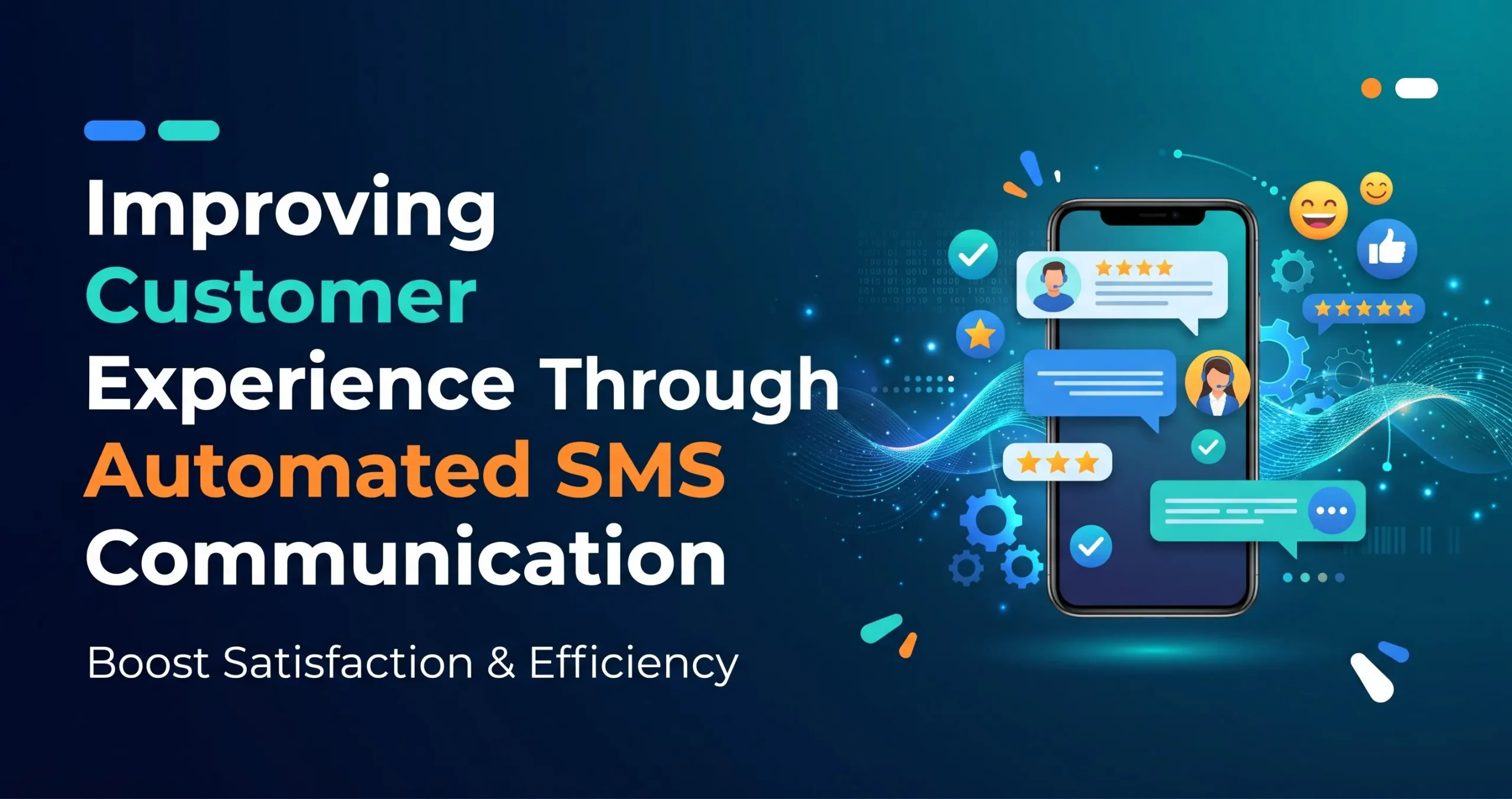 Automation allows businesses to send messages based on predefined events, schedules, or customer activities. Instead of manually preparing every communication, companies can establish workflows that deliver relevant information when customers need it.
Appointment and Booking Reminders
Service-based businesses often manage appointments, reservations, consultations, and scheduled visits. Automated reminders help customers remember their bookings and provide important details before an appointment.
Automated SMS reminders can include appointment dates, times, locations, and rescheduling instructions. These messages can reduce missed appointments and improve communication between businesses and customers.
Order Confirmation and Delivery Updates
Customers want to know what happens after placing an order. SMS notifications can provide updates throughout the purchasing and delivery process.
Transactional SMS includes order confirmations, payment notifications, shipping updates, and delivery alerts. These messages help customers stay informed and reduce uncertainty about their transactions.
Customer Support Notifications
SMS can also support customer service operations by communicating ticket updates, service confirmations, and important account notifications.
Automated customer notifications help businesses provide timely information without requiring employees to contact every customer individually. When integrated with customer support systems, these notifications can improve service coordination and communication efficiency.
The Importance of SMS Segmentation and Targeted Messaging
Sending identical messages to every contact may not produce meaningful engagement. Different customers have different interests, purchasing behaviors, and communication preferences. Audience segmentation helps businesses deliver more relevant messages to specific customer groups.
Customer Database Segmentation
SMS audience segmentation involves dividing customer contacts into groups based on relevant information such as location, purchase history, preferences, or previous interactions.
For example, a retail business may send product updates to customers interested in a particular category. A service provider may send appointment reminders only to customers with upcoming bookings. This approach helps businesses make communication more relevant while reducing unnecessary messages.
Location-Based SMS Marketing
Businesses operating across different regions may need to communicate location-specific offers and announcements. Location-based SMS marketing allows companies to target eligible customers according to relevant geographic information. Retail stores can use this approach to announce local events, store promotions, or regional service updates. Businesses should ensure that location data is obtained and used with appropriate permission.
Timing and Message Frequency
Sending messages at the wrong time or too frequently can negatively affect customer engagement. Businesses should consider customer preferences, local time zones, campaign objectives, and the urgency of the information.
SMS campaign scheduling helps companies deliver messages at appropriate times. A consistent communication schedule can improve the customer experience while reducing the risk of message fatigue.
Integrating Bulk SMS With Digital Marketing Strategies
 SMS can become more effective when it works alongside other digital marketing channels. Combining communication platforms helps businesses maintain consistent messaging and reach customers at different stages of their buying journey.
CRM and SMS Integration
CRM and SMS integration connects customer relationship management systems with messaging platforms. This allows businesses to use organized customer information when sending relevant updates and managing communication history. For example, a CRM system may trigger an SMS after a customer submits an inquiry or completes a purchase. This creates a more coordinated communication process.
Website and eCommerce Integration
Connecting an SMS platform with a website or online store allows businesses to automate important customer communications. eCommerce SMS integration can support order confirmations, payment notifications, delivery updates, and abandoned cart reminders. These automated messages help customers receive useful information without waiting for manual responses.
Omnichannel Marketing
Omnichannel marketing combines multiple communication channels to create a consistent customer experience. Businesses may coordinate SMS with email marketing, social media, websites, and customer support platforms.
For example, a company might announce a new product through social media and send an SMS notification to customers who have opted in to receive relevant updates. Consistent communication across channels helps customers recognize the brand and access information conveniently.
Measuring the Performance of Bulk SMS Campaigns
Campaign measurement helps businesses understand whether their messaging strategy is achieving its objectives. Monitoring relevant metrics makes it easier to identify successful campaigns, improve message content, and manage marketing costs.
Delivery and Response Rates
SMS delivery reports show whether messages have reached their intended destinations according to the platform’s reporting capabilities. Response tracking helps businesses understand how customers interact with specific campaigns. Delivery and response data can reveal technical issues, audience preferences, and opportunities to improve communication.
Click-Through Rate and Conversion Rate
When messages contain trackable links, businesses can monitor how many recipients click through to a website or landing page. SMS click-through rate (CTR) measures link engagement, while conversion rate optimization focuses on improving the percentage of visitors who complete a desired action. For accurate reporting, businesses should use appropriate tracking links and define campaign goals before sending messages.
Return on Investment
SMS marketing ROI helps businesses evaluate whether campaign results justify the associated costs. Companies can compare messaging expenses with measurable outcomes such as purchases, bookings, or qualified inquiries. Evaluating campaign performance over time helps businesses allocate budgets more effectively and improve future messaging strategies.
Best Practices for Effective and Responsible SMS Marketing
Successful SMS communication requires more than sending large numbers of messages. Businesses must respect customer preferences, provide useful information, and follow applicable legal and telecommunications requirements.
Obtain Customer Consent
SMS marketing consent is essential for responsible promotional communication. Businesses should obtain appropriate permission before sending marketing messages and maintain accurate records of customer preferences.
Customers should also have a clear and accessible way to stop receiving promotional messages. Requirements vary by jurisdiction, so businesses should follow the rules applicable to their target markets.
Keep Messages Clear and Relevant
SMS messages have limited space, so communication should be concise and easy to understand. Businesses should explain the purpose of each message and include only the information customers need. A relevant SMS call to action can guide recipients toward a booking page, product page, support channel, or other useful destination.
Maintain Data Privacy
Customer phone numbers and communication records should be handled responsibly. Businesses should apply appropriate access controls, data protection measures, and retention policies.
SMS data privacy helps protect customer information and supports responsible marketing practices. Companies should also ensure that their messaging providers follow suitable security and data-handling standards.
Conclusion
Bulk SMS Service helps businesses improve customer engagement through direct communication, personalized messages, automated notifications, and targeted promotional campaigns. It allows companies to share important information, support customer journeys, and maintain consistent relationships with their audiences.
However, successful SMS marketing depends on more than message volume. Businesses need relevant content, proper audience segmentation, suitable scheduling, customer consent, and continuous performance measurement. Integrating SMS with CRM systems, eCommerce platforms, and other digital marketing channels can further improve communication efficiency. SanMo AE focuses on digital solutions and marketing services that help businesses strengthen their online presence and communication strategies.
Frequently Asked Questions (FAQs)
1. What is a Bulk SMS Service?
A Bulk SMS Service allows businesses to send text messages to multiple recipients through a centralized messaging platform. It supports promotional campaigns, customer notifications, and business communication.
2. How does bulk SMS improve customer engagement?
It helps businesses communicate directly with customers through timely updates, personalized messages, promotional offers, and automated notifications. Relevant communication can encourage customers to interact with a brand.
3. What is an SMS gateway?
An SMS gateway connects business messaging platforms with telecommunications networks. It helps process and route text messages to recipients through supported mobile operators.
4. Can bulk SMS help increase business sales?
Yes. Businesses can use promotional campaigns, special offers, product announcements, and abandoned cart reminders to encourage customer purchases and generate additional sales opportunities.
5. What is the difference between promotional SMS and transactional SMS?
Promotional SMS communicates marketing offers, discounts, and product announcements. Transactional SMS provides essential information such as order confirmations, payment notifications, and delivery updates.
6. Why is SMS audience segmentation important?
Audience segmentation helps businesses send relevant messages to specific customer groups. It reduces unnecessary communication and can improve campaign engagement.
7. Can bulk SMS be automated?
Yes. Businesses can automate appointment reminders, order updates, customer notifications, and other messages through SMS platforms integrated with their websites or business systems.
8. How can businesses measure SMS campaign performance?
Businesses can monitor delivery reports, response rates, click-through rates, conversions, and return on investment. These metrics help evaluate campaign effectiveness.
9. Is bulk SMS marketing suitable for small businesses?
Yes. Small businesses can use bulk SMS to communicate promotions, confirm appointments, share updates, and maintain customer relationships without requiring complex marketing infrastructure.
10. What should businesses consider when choosing a bulk SMS provider?
Businesses should evaluate message delivery reliability, pricing, API integration, reporting features, security, customer support, and compliance capabilities before selecting a provider.