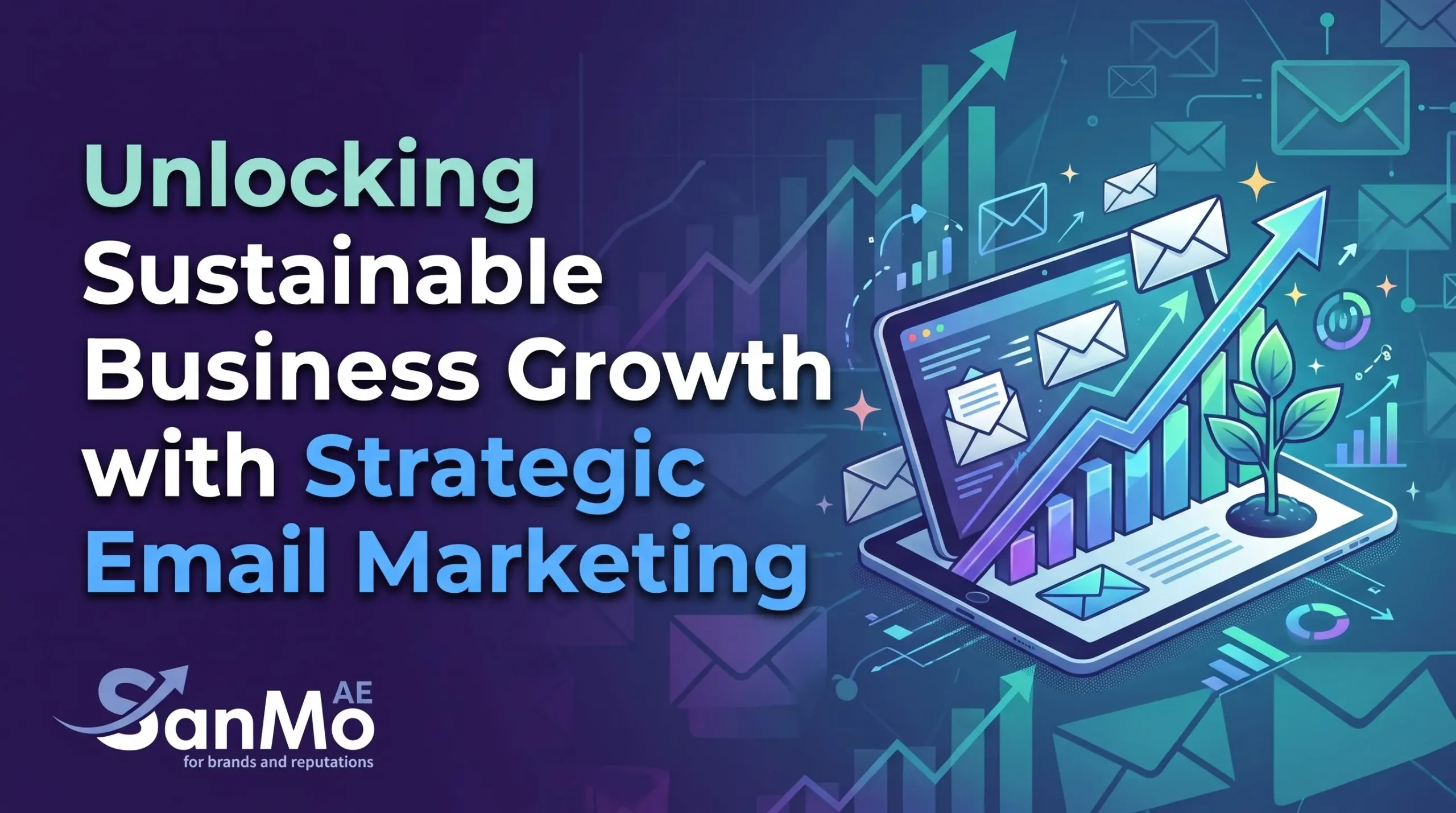
Email marketing consistently delivers one of the highest returns on investment of any digital channel. For every dollar spent, the average return is a staggering $36. Yet, many businesses struggle to harness their full potential, sending emails that get lost in crowded inboxes or fail to convert. The difference between a thriving email campaign and a forgotten one often comes down to strategy.
A successful approach goes beyond simply sending out newsletters. It involves understanding your audience, crafting compelling messages, and building genuine relationships over time. This post will explore the core strategies that can transform your email marketing efforts from a routine task into a powerful engine for business growth. By focusing on these fundamental principles, you can create campaigns that not only capture attention but also drive meaningful results.
Defining Your Email Marketing Goals
Before you send your first email, it’s crucial to define what you want to achieve. Without clear objectives, it’s impossible to measure success or refine your approach. Your goals will shape every aspect of your email marketing strategy, from the content you create to the audience you target.
Common email marketing goals include:
- Driving Sales: This is a primary objective for many e-commerce and B2B companies. Emails can promote new products, announce sales, or offer exclusive discounts to encourage purchases.
- Generating Leads: For businesses with a longer sales cycle, email marketing is an excellent tool for nurturing potential customers. You can offer valuable content like white papers, webinars, or case studies in exchange for contact information, moving prospects further down the sales funnel.
- Increasing Brand Awareness: Consistent, high-quality emails help keep your brand top-of-mind. By sharing your company’s story, values, and expertise, you can build a memorable brand identity that resonates with your audience.
- Improving Customer Retention: It’s often more cost-effective to retain existing customers than to acquire new ones. Use email to foster loyalty through personalized content, special offers for repeat customers, and requests for feedback.
- Driving Website Traffic: If your goal is to increase visitors to your blog or website, email can be a powerful driver. Share snippets of your latest articles or highlight valuable resources to entice subscribers to click through.
Once you have established your primary goals, you can identify the key performance indicators (KPIs) to track your progress. These might include open rates, click-through rates, conversion rates, and list growth rate.
Building and Segmenting Your Email List
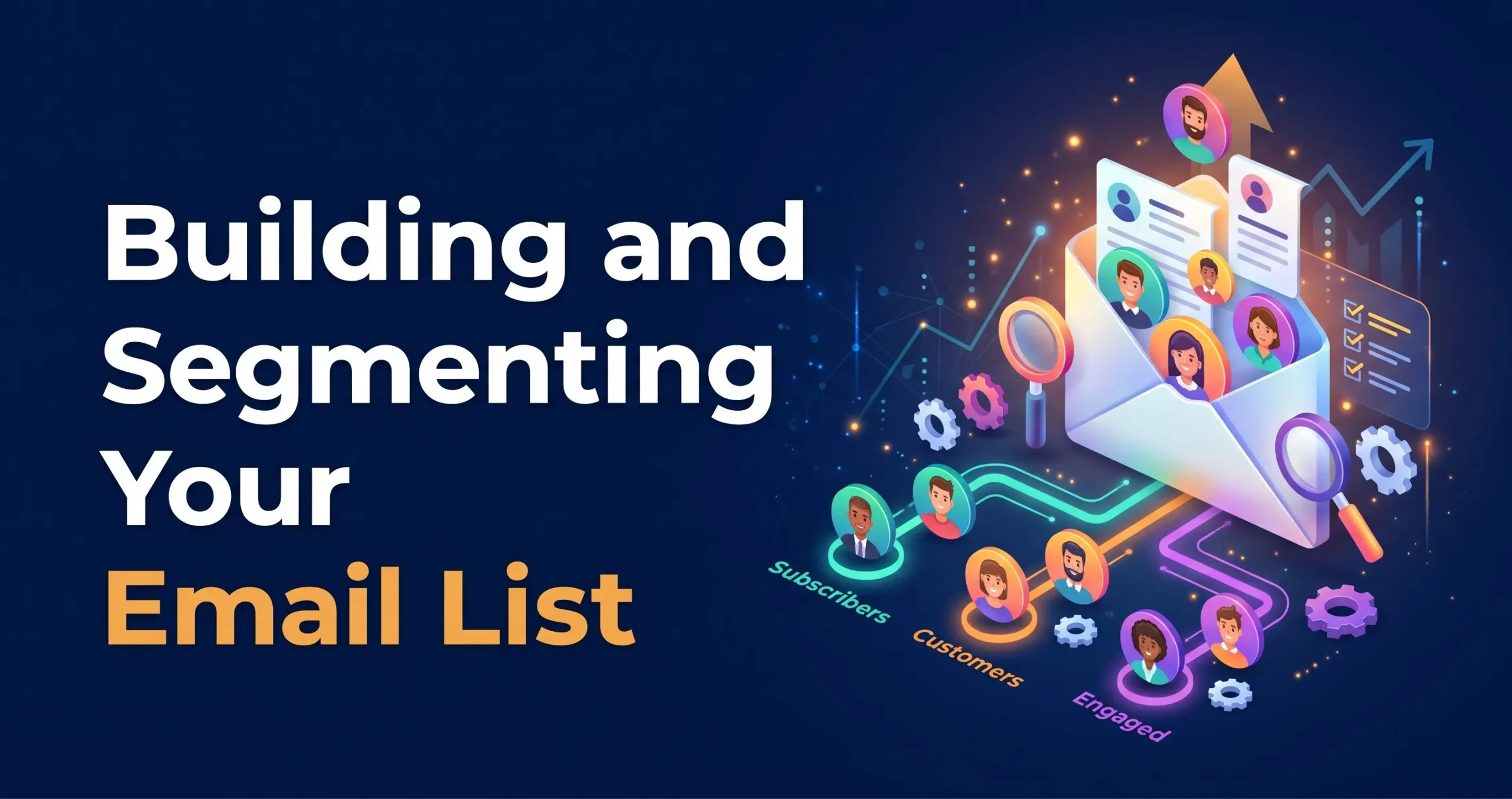 The foundation of any successful email marketing program is a healthy, engaged list of subscribers. While it might be tempting to buy an email list, this approach is often ineffective and can harm your sender reputation. The most valuable lists are built organically with people who have explicitly opted in to receive your communications.
Here are some effective ways to grow your email list:
- Website Opt-in Forms: Place clear and compelling sign-up forms on your website, particularly on your homepage, blog, and contact page.
- Lead Magnets: Offer a valuable piece of content, like a free e-book, checklist, or template, in exchange for an email address. This provides an immediate incentive for people to subscribe.
- Social Media: Promote your newsletter on your social media channels and include a link to your sign-up page in your profiles.
- Events and Webinars: Collect email addresses during registration for online or in-person events.
Once you start building your list, the next critical step is segmentation. Not all subscribers are the same, and sending the same message to everyone can lead to disengagement. Segmentation involves dividing your audience into smaller groups based on shared characteristics. This allows you to send more relevant, personalized content that speaks directly to their needs and interests.
You can segment your list based on:
- Demographics: Age, gender, location, and job title.
- Purchase History: What they’ve bought, how frequently they buy, and how much they’ve spent.
- Website Behavior: Pages they’ve visited, content they’ve downloaded, or items they’ve abandoned in their cart.
- Engagement Level: How often they open your emails or click on your links.
By segmenting your list, you can create targeted campaigns that result in higher open rates, increased click-through rates, and ultimately, a better return on your email marketing investment.
Crafting Content That Converts
Your content is the heart of your email marketing strategy. Even with a perfectly segmented list and well-defined goals, your efforts will fall flat if your emails aren’t engaging and valuable. Every email you send should have a clear purpose and provide a reason for your subscribers to open it.
Personalization is Paramount
Personalization goes beyond simply using a subscriber’s first name in the subject line. True personalization involves using the data you’ve collected to deliver content that is highly relevant to the individual. This could mean sending product recommendations based on past purchases, sharing articles related to topics they’ve shown interest in, or sending a special offer on their birthday.
The Power of the Subject Line
Your subject line is your first—and sometimes only—chance to make an impression. It needs to be compelling enough to stand out in a crowded inbox and entice the reader to open your email. Effective subject lines are often short, descriptive, and create a sense of curiosity or urgency. A/B testing different subject lines is a great way to see what resonates most with your audience.
Design and Layout
The design of your email should be clean, professional, and consistent with your brand identity. Use a mobile-responsive template, as a significant portion of emails are now opened on mobile devices. Break up text with images, use clear headings and subheadings, and make sure your call-to-action (CTA) button is prominent and easy to find.
The All-Important Call-to-Action
Every email should have a single, clear call-to-action. What do you want the reader to do after reading your email? Whether it’s “Shop Now,” “Read More,” or “Download the Guide,” your CTA should be specific and action-oriented. The button itself should be visually distinct to draw the reader’s eye.
Email Marketing Automation for Better Efficiency
 Email marketing automation helps businesses communicate with subscribers at the right time without manually sending every message. Automated workflows can be created for welcome emails, purchase confirmations, abandoned cart reminders, birthday offers, and follow-up campaigns. These messages help maintain consistent communication while reducing repetitive marketing tasks. Businesses can also use automation to nurture potential customers by delivering relevant information based on their interests and previous interactions. For example, a subscriber who downloads a guide can automatically receive related educational content and service recommendations. Automation also makes it easier to manage large subscriber lists while maintaining personalized communication. By combining automated workflows with audience segmentation, businesses can improve campaign efficiency, strengthen customer relationships, and create more opportunities for conversions.
The Importance of Email Deliverability
Email deliverability plays an important role in determining whether marketing messages successfully reach subscribers’ inboxes. Even the most engaging email campaign cannot produce meaningful results if messages are filtered into spam folders or rejected by email providers. Businesses should maintain clean subscriber lists by removing invalid addresses, monitoring inactive contacts, and avoiding purchased email databases. Proper domain authentication, including SPF, DKIM, and DMARC, can also help establish sender credibility. Additionally, sending relevant content and maintaining consistent email practices can improve sender reputation. Monitoring bounce rates, spam complaints, and delivery reports helps identify potential problems before they affect campaign performance. A strong deliverability strategy ensures that valuable marketing messages have a better opportunity to reach the intended audience.
Creating Effective Email Marketing Campaigns
 An effective email marketing campaign requires careful planning, relevant messaging, and a clear understanding of customer expectations. Businesses should begin by identifying their campaign objectives and selecting the appropriate subscriber segment. The email content should communicate one primary message rather than overwhelming readers with multiple promotions. Attractive subject lines, engaging introductions, and clear calls to action can encourage subscribers to interact with the message. Visual elements should support the content without affecting readability or loading performance. Businesses should also test different email formats, subject lines, and sending schedules to understand audience preferences. Every campaign should be evaluated after delivery to identify opportunities for improvement. A consistent campaign development process helps businesses maintain communication quality and achieve more measurable marketing outcomes.
Using A/B Testing to Improve Email Performance
A/B testing allows businesses to compare different versions of an email campaign and identify which elements generate better audience engagement. Instead of relying on assumptions, marketers can test subject lines, email layouts, headlines, images, promotional messages, and calls to action. For example, one version may use a direct subject line while another creates curiosity to encourage subscribers to open the message. Testing different CTA placements can also reveal which design generates more clicks. To obtain meaningful results, businesses should change one major element at a time and compare performance using relevant metrics. Testing should be conducted with suitable audience segments and sufficient sample sizes. Regular A/B testing helps marketers understand subscriber behavior, improve campaign effectiveness, and make more informed marketing decisions.
Integrating Email Marketing with Other Digital Channels
Email marketing becomes more effective when it works alongside other digital marketing channels. Businesses can connect email campaigns with social media, content marketing, search engine optimization, and website activities to create a consistent customer experience. For example, social media campaigns can encourage users to subscribe to newsletters, while email newsletters can direct subscribers toward informative blog posts and service pages. Integrating email marketing with customer relationship management systems also helps businesses understand customer interactions across different touchpoints. This creates opportunities to deliver more relevant messages based on audience interests and engagement history. Cross-channel marketing can strengthen brand recognition and improve communication consistency. By combining multiple digital channels, businesses can reach potential customers at different stages of their buying journey and support long-term growth.
Choosing the Right Email Marketing Platform
 Selecting the right email marketing platform is essential for managing campaigns efficiently and achieving consistent results. Businesses should evaluate available platforms based on automation features, audience segmentation, email design capabilities, reporting tools, and integration options. A suitable platform should make it easy to create professional emails, organize subscriber information, and monitor campaign performance. Scalability is another important consideration because marketing requirements often change as a business expands its audience. Companies should also review pricing structures, customer support availability, and data security features before making a decision. Testing available features through trial accounts can help marketers understand whether a platform meets their operational needs. Choosing the right solution allows businesses to simplify campaign management, improve productivity, and build a more effective email marketing strategy.
Your Path to Email Marketing Success with SanMo AE
Email marketing remains one of the most effective ways for businesses to connect with their audiences, generate leads, increase sales, and build lasting customer relationships. However, achieving meaningful results requires more than sending promotional emails. It demands a strategic approach focused on audience targeting, personalized communication, engaging content, and consistent campaign optimization.
At SanMo AE, we understand the importance of effective digital marketing in achieving sustainable business growth. By implementing well-planned email marketing strategies, businesses can strengthen customer engagement, improve brand visibility, and create valuable opportunities for conversions.
Whether you want to attract new customers, nurture existing leads, or improve customer retention, the right email marketing approach can make a significant difference. Focus on delivering relevant content, understanding subscriber preferences, and continuously improving campaign performance to turn email marketing into a powerful driver of business success.
Frequently Asked Questions (FAQs)
1. What is email marketing, and why is it important for businesses?
Email marketing is a digital marketing strategy that uses email to communicate with customers, promote products or services, generate leads, and build long-term relationships. It helps businesses maintain direct communication with their target audience.
2. How can email marketing help businesses increase sales?
Email marketing can increase sales by promoting products, sharing exclusive offers, recommending relevant services, and encouraging customers to complete purchases through targeted campaigns and clear calls to action.
3. What are the most effective email marketing strategies?
Effective strategies include audience segmentation, personalized messaging, compelling subject lines, responsive email design, automated campaigns, and regular performance tracking.
4. How can businesses build an email subscriber list?
Businesses can grow their subscriber lists through website opt-in forms, lead magnets, downloadable resources, social media promotions, webinars, and event registrations. Subscribers should provide permission before receiving marketing emails.
5. Why is email list segmentation important?
Email list segmentation allows businesses to divide subscribers into smaller groups based on demographics, purchase history, interests, and engagement levels. This helps deliver more relevant messages and improve campaign performance.
6. What makes an email marketing campaign successful?
A successful campaign combines clear objectives, valuable content, audience targeting, attractive design, personalized communication, and effective calls to action. Consistent monitoring also helps improve results.
7. How often should businesses send marketing emails?
Email frequency depends on audience preferences, business goals, and content availability. Businesses should maintain a consistent schedule while avoiding excessive messages that may cause subscribers to unsubscribe.
8. Which email marketing metrics should businesses track?
Important metrics include open rates, click-through rates, conversion rates, bounce rates, unsubscribe rates, and subscriber growth. These indicators help businesses evaluate campaign effectiveness.
9. How can SanMo AE help businesses improve email marketing?
SanMo AE can support businesses with digital marketing strategies designed to strengthen audience engagement, improve brand visibility, generate leads, and support business growth through effective marketing campaigns.
10. Is email marketing still effective for modern businesses?
Yes. Email marketing remains an effective digital communication channel because it allows businesses to deliver personalized messages, nurture leads, promote services, maintain customer relationships, and support long-term growth.