Building custom software can feel like navigating uncharted territory. You know your business needs a digital solution, but the path from concept to deployment seems overwhelming. Should you hire an in-house team? Attempt a DIY approach? Or partner with professional software development services? The stakes are high. Poor software decisions can drain budgets, delay launches, and frustrate customers. Meanwhile, the right development partner can transform your operations, streamline processes, and unlock new revenue streams.
This guide explores everything you need to know about software development services, from understanding different types of offerings to selecting the perfect partner for your project. You’ll discover how professional developers can accelerate your business goals while avoiding costly mistakes that plague many software projects.
What Are Software Development Services?
Software development services encompass the entire process of creating, designing, deploying, and maintaining software applications. These services range from initial consultation and planning to ongoing support and updates after launch.
Professional development teams bring specialized expertise across multiple programming languages, frameworks, and platforms. They handle everything from mobile apps and web applications to enterprise software and cloud-based solutions.
Most importantly, these services extend beyond just writing code. Top providers offer strategic consulting, user experience design, quality assurance testing, and project management to ensure your software meets both technical requirements and business objectives.
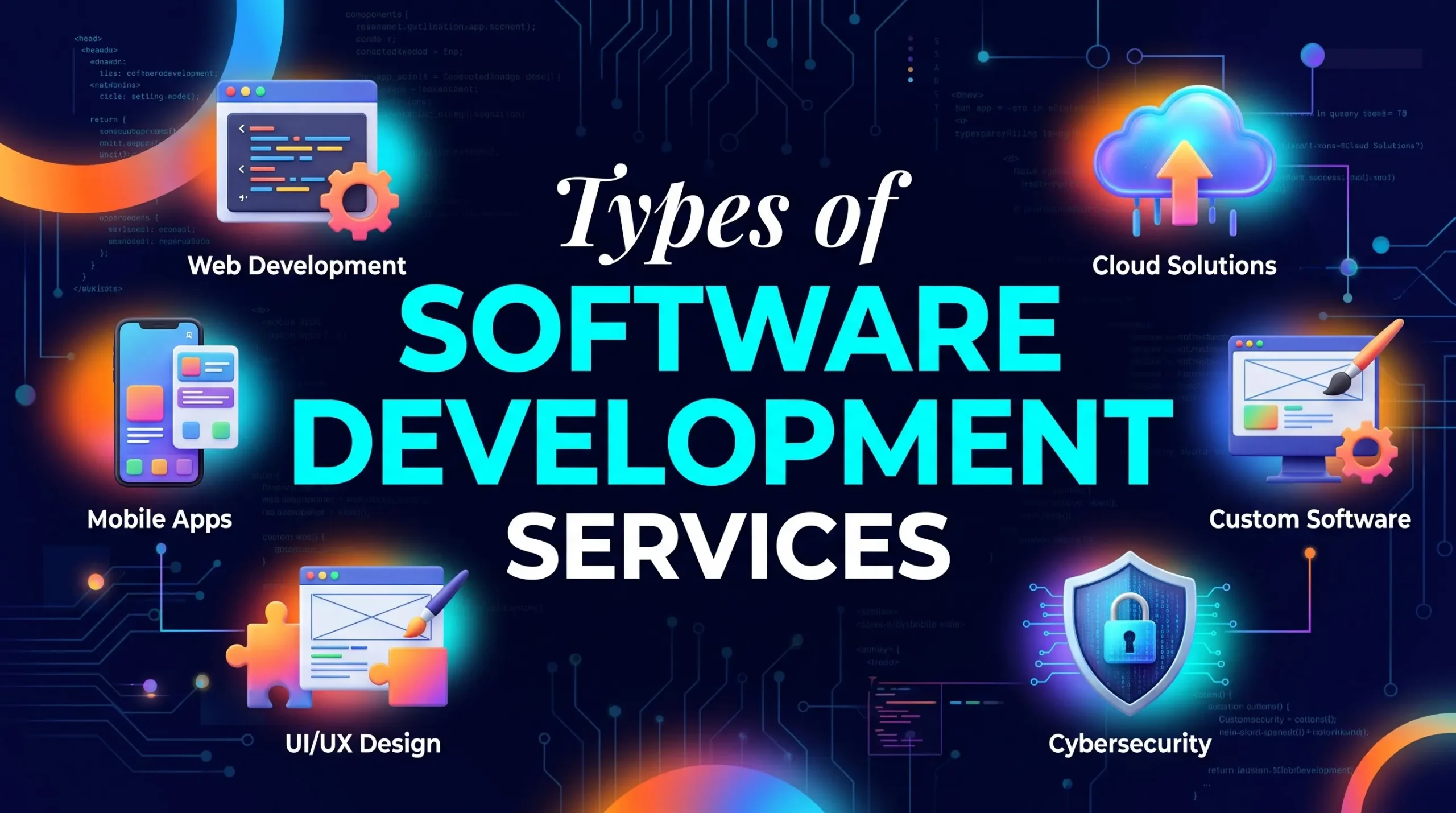
Types of Software Development Services
Custom Software Development
Custom software development creates tailored solutions built specifically for your business needs. Unlike off-the-shelf products, custom applications address your unique workflows, integrate with existing systems, and scale according to your requirements.
This approach works best when standard software cannot meet your specific operational needs or when you require competitive advantages through proprietary technology.
Web Application Development
Web applications run in browsers and provide accessible solutions across different devices and operating systems. These applications can range from simple websites to complex enterprise platforms handling thousands of users simultaneously.
Modern web development includes responsive design, cloud integration, and advanced security features to ensure optimal performance across all platforms.
Mobile App Development
Mobile development services create applications for smartphones and tablets across iOS and Android platforms. Options include native apps built for specific operating systems, cross-platform solutions that work on multiple devices, and progressive web apps that combine web and mobile functionality.
Enterprise Software Solutions
Enterprise software addresses large-scale business operations including customer relationship management, enterprise resource planning, and workflow automation. These solutions typically require robust security, scalability, and integration capabilities.
Key Benefits of Professional Software Development Services
Expertise and Specialization
Professional developers stay current with the latest technologies, security practices, and industry standards. They bring years of experience solving complex technical challenges across various industries and project types. This expertise translates into better architecture decisions, cleaner code, and more efficient development processes. You gain access to specialized knowledge without the time and cost of building internal capabilities.
Faster Time to Market
Experienced development teams can accelerate project timelines through proven methodologies, established workflows, and efficient resource allocation. They anticipate potential roadblocks and implement solutions before issues become project delays. Professional teams also have access to advanced development tools, testing frameworks, and deployment platforms that streamline the entire development lifecycle.
Cost Effectiveness
While professional services require upfront investment, they often prove more cost-effective than alternatives. Skilled developers write cleaner, more maintainable code that reduces long-term maintenance costs and technical debt. Additionally, professional teams help avoid costly mistakes like security vulnerabilities, scalability issues, or compatibility problems that can require expensive fixes later.
Scalability and Future-Proofing
Professional developers design applications with growth in mind. They implement scalable architectures, choose appropriate technologies, and build systems that can evolve with your business needs. This forward-thinking approach prevents the need for complete rewrites as your user base grows or requirements change.
How to Choose the Right Software Development Partner
Evaluate Technical Expertise
Look for providers with proven experience in your required technologies and industry vertical. Review their portfolio for similar projects and assess their technical approach to complex challenges. Ask about their development methodologies, quality assurance processes, and how they handle changing requirements during projects.
Assess Communication and Project Management
Clear communication determines project success more than technical skills alone. Evaluate how potential partners explain technical concepts, respond to questions, and manage project updates. Strong development partners provide regular progress reports, maintain transparent pricing, and establish clear channels for feedback and approvals.
Review Client References and Case Studies
Examine detailed case studies that demonstrate problem-solving capabilities and business impact. Contact previous clients to understand their experience working with the development team. Pay attention to how providers handled challenges, met deadlines, and supported clients after project completion.
Consider Long-term Support
Software requires ongoing maintenance, updates, and feature enhancements. Choose partners who offer comprehensive post-launch support including bug fixes, security updates, and performance optimization. Understand their support structure, response times, and pricing for ongoing maintenance services.
Software Development Process and Methodologies
Agile Development
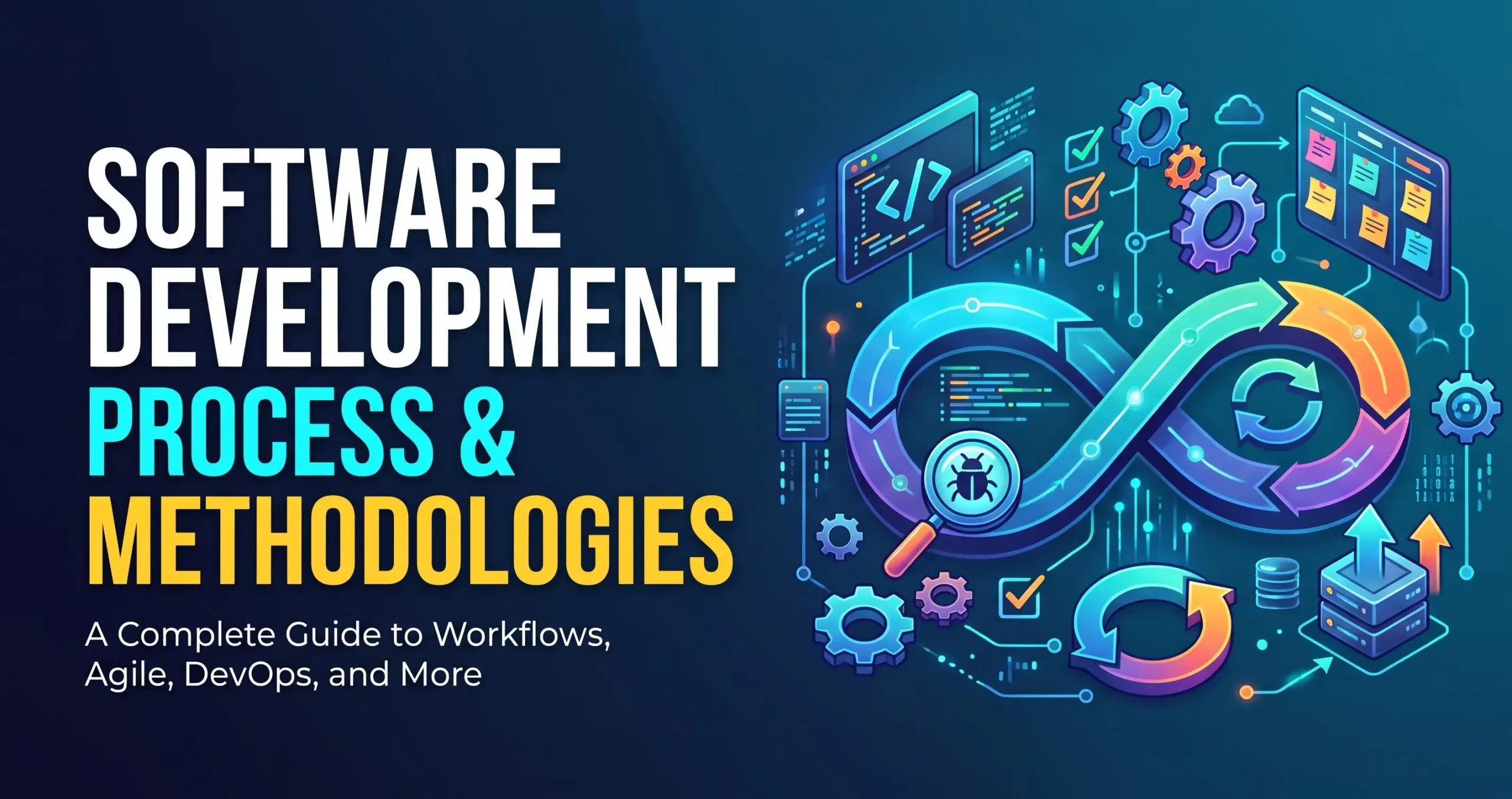
Most professional teams use Agile methodologies that emphasize iterative development, regular client feedback, and adaptive planning. This approach allows for course corrections during development and ensures the final product meets evolving requirements. Agile development typically includes regular sprint reviews, continuous testing, and incremental feature delivery.
Requirements Analysis and Planning
Professional services begin with thorough requirements gathering to understand your business objectives, user needs, and technical constraints. This phase establishes project scope, timelines, and success metrics. Detailed planning prevents scope creep, manages expectations, and provides a roadmap for the entire development process.
Quality Assurance and Testing
Comprehensive testing ensures your software functions correctly, performs well under load, and provides excellent user experience. Professional teams implement automated testing, security audits, and performance optimization throughout development.
Common Software Development Challenges and Solutions
Budget Management
Software projects can exceed budgets due to scope changes, technical complications, or poor initial planning. Professional development services help control costs through detailed estimates, change management processes, and transparent pricing structures.
Timeline Delays
Delays often result from unclear requirements, technical dependencies, or resource constraints. Experienced teams mitigate these risks through realistic scheduling, proactive communication, and contingency planning.
Security Vulnerabilities
Security breaches can devastate businesses and damage customer trust. Professional developers implement security best practices from the beginning, conduct regular security audits, and stay updated on emerging threats.
Cloud-Based Software Development Solutions
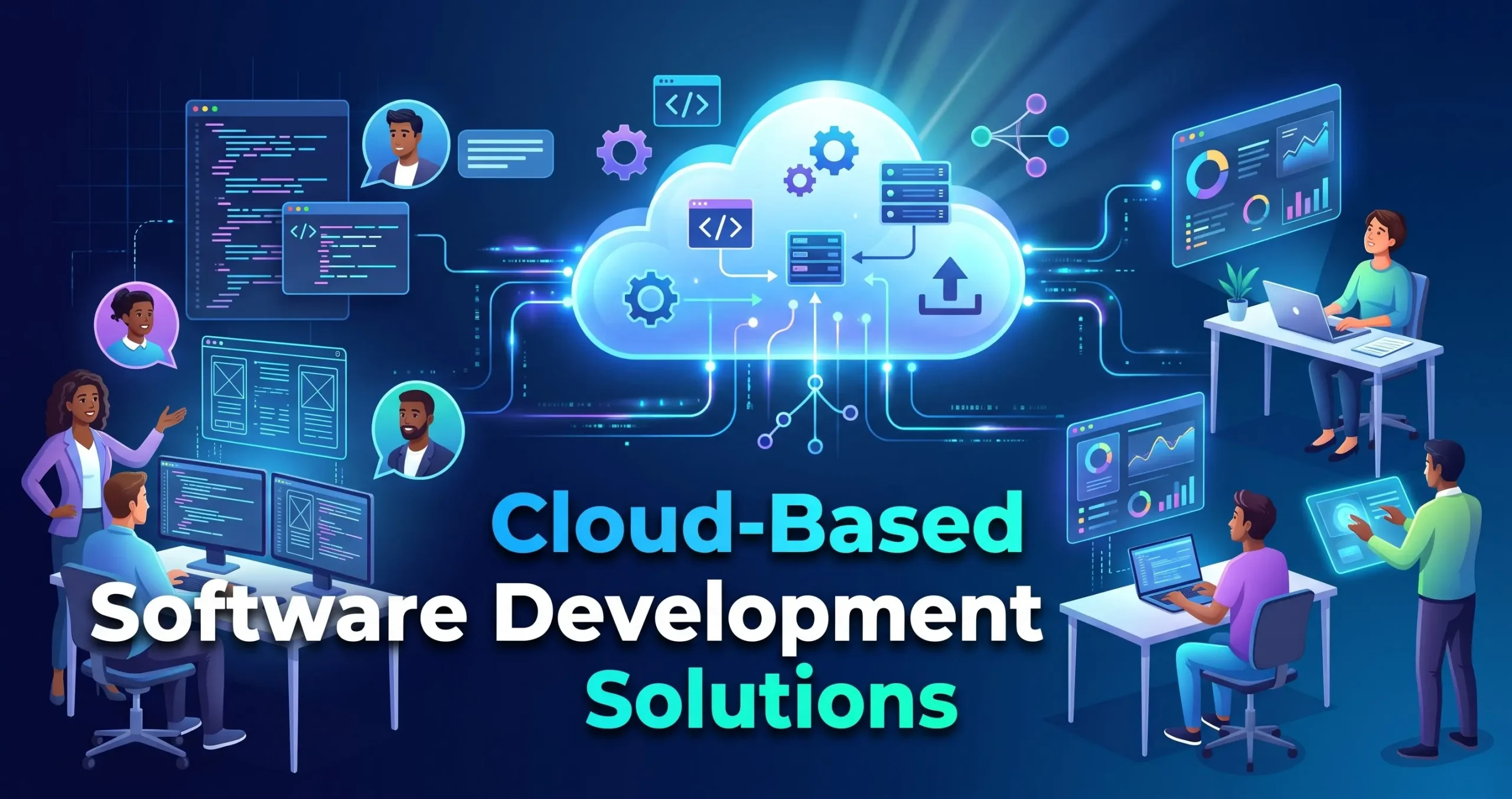 Cloud-based software development allows businesses to access applications, data, and digital resources through internet-connected platforms. These solutions reduce dependence on traditional hardware while providing greater flexibility, accessibility, and scalability. Businesses can manage operations from different locations without requiring employees to use a single physical office network. Cloud-based applications also support real-time collaboration, automated backups, and easier software updates.
Companies can scale their resources according to changing workloads, helping them manage technology expenses more efficiently. Choosing the right cloud infrastructure is important for maintaining performance, data security, and operational reliability. Businesses should evaluate hosting environments, storage requirements, access controls, and integration capabilities before implementation. With suitable cloud-based software, organizations can improve productivity, support remote operations, and build a flexible technology foundation for future business expansion.
Software Development and Business Process Automation
Business process automation helps organizations reduce repetitive manual activities through specialized software applications and integrated digital workflows. Software development makes it possible to automate tasks such as data entry, invoice processing, customer communication, inventory tracking, and report generation. These improvements reduce human errors while allowing employees to concentrate on strategic responsibilities. Automated systems can also connect different business departments, ensuring information moves smoothly between operational processes.
Before implementing automation, businesses should identify time-consuming activities and evaluate which workflows offer the greatest improvement opportunities. Proper software integration is equally important for maintaining consistent data and avoiding unnecessary operational complexity. Regular performance monitoring helps identify additional automation opportunities. By investing in effective software development, businesses can simplify daily operations, improve resource management, and establish more efficient workflows that support sustainable organizational growth.
Custom Software Security and Data Protection
Security should remain a central consideration throughout the software development lifecycle. Custom software applications often process sensitive business information, customer records, financial data, and internal operational details. Without appropriate protection, these systems may become vulnerable to unauthorized access, cyberattacks, and data breaches. Developers should incorporate secure coding practices, encryption, authentication mechanisms, and access controls during development.
Regular vulnerability assessments and software testing can help identify weaknesses before they become serious problems. Businesses should also establish reliable backup procedures and update applications to address emerging security threats. Employee awareness and appropriate access permissions further strengthen overall protection. A security-focused development strategy helps organizations protect valuable information, maintain customer confidence, and reduce operational risks. Investing in secure software infrastructure also supports long-term business stability and digital trust.
Software Integration for Seamless Business Operations
Software integration connects different applications, platforms, and business systems so they can exchange information and work together efficiently. Many organizations use separate tools for accounting, customer relationship management, inventory management, marketing, and communication. When these systems operate independently, employees may need to enter the same information multiple times, increasing workload and the possibility of errors. Integrated software solutions help eliminate these challenges by creating connected workflows and improving data accessibility.
APIs, automation tools, and third-party connectors make it easier to synchronize information between compatible applications. Businesses should evaluate system compatibility, integration costs, security requirements, and future expansion needs before selecting an approach. Effective software integration improves coordination between departments, reduces administrative complexity, and helps management make informed decisions using more consistent business information.
Measuring the Return on Investment of Software Development
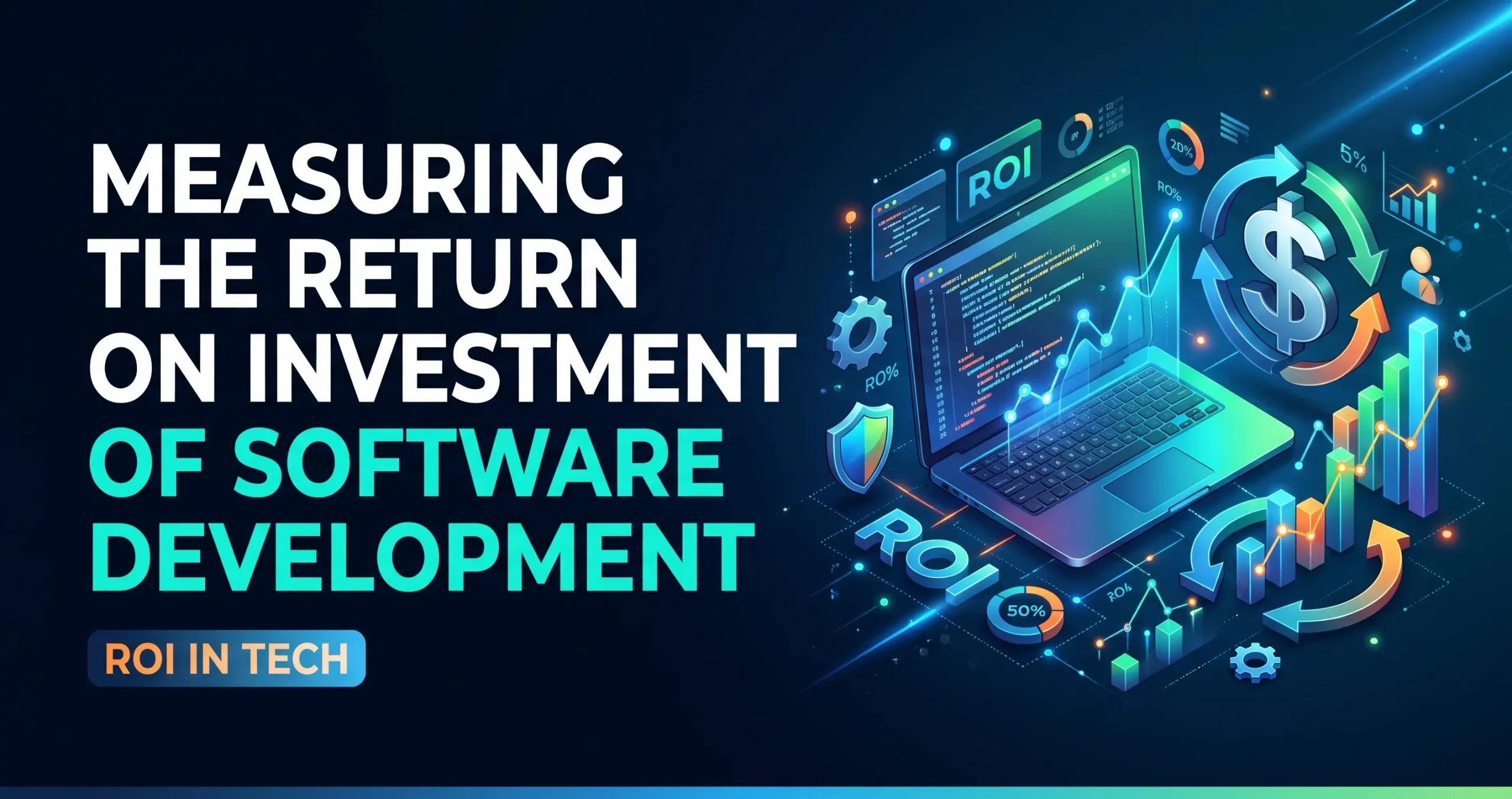 Measuring the return on investment of software development helps businesses understand whether their technology investments are delivering meaningful results. Instead of evaluating success only through development costs, organizations should examine improvements in productivity, operational efficiency, customer satisfaction, and revenue generation. Important performance indicators may include reduced processing time, lower administrative expenses, fewer manual errors, and improved customer retention.
Businesses should establish measurable objectives before development begins and compare actual performance against those expectations after implementation. Regular assessments can reveal whether additional features, system improvements, or maintenance activities are necessary. It is also important to consider long-term expenses such as hosting, updates, technical support, and security improvements. By tracking relevant performance metrics, businesses can make better technology decisions, optimize software investments, and support sustainable growth with guidance from experienced technology partners like SanMo AE.
Making the Investment Work for Your Business
Investing in professional software development services can transform business operations, improve efficiency, and strengthen your competitive position. Achieving the best results requires choosing the right development partner, maintaining clear communication, and focusing on measurable business outcomes rather than technical features alone. Start by defining your project objectives, budget, expected timeline, and essential requirements. Research potential development partners carefully, evaluate their technical expertise, and review their previous projects and ongoing support services.
Choosing the cheapest provider does not always deliver the best long-term value. Instead, prioritize a development partner who understands your business goals and can build scalable, reliable, and practical software solutions. SanMo AE helps businesses strengthen their digital capabilities through professional technology services and strategic digital solutions. Whether you want to improve existing systems, modernize business operations, or explore new digital opportunities, selecting the right technology partner can make a meaningful difference.
Frequently Asked Questions About Software Development Services
1. What Are Software Development Services?
Software development services involve designing, creating, testing, and maintaining software applications to meet specific business requirements. These services help organizations automate processes, improve productivity, and deliver better customer experiences.
2. Why Are Software Development Services Important for Businesses?
Software development services help businesses streamline operations, reduce manual tasks, improve efficiency, and manage data effectively. Custom software can also provide a competitive advantage by addressing unique business challenges.
3. What Are the Different Types of Software Development Services?
Common types include custom software development, web application development, mobile app development, enterprise software development, cloud-based solutions, and software maintenance. Each serves different operational and technological needs.
4. What Is Custom Software Development?
Custom software development involves creating applications specifically designed around a company’s requirements and workflows. Unlike ready-made software, custom solutions offer greater flexibility, specialized functionality, and opportunities for future expansion.
5. How Much Do Software Development Services Cost?
The cost depends on project complexity, required features, development time, technology selection, and ongoing maintenance needs. Businesses should establish a realistic budget and request detailed project estimates before starting development.
6. How Long Does It Take to Develop Custom Software?
Development timelines vary depending on application size, functionality, integrations, and testing requirements. Smaller projects may take a few weeks or months, while complex enterprise applications can require significantly longer.
7. What Should Businesses Consider When Choosing a Software Development Company?
Businesses should evaluate technical expertise, industry experience, previous projects, communication practices, security standards, and ongoing support. Selecting a reliable development partner helps ensure successful project delivery.
8. How Can Software Development Improve Business Productivity?
Software development improves productivity by automating repetitive activities, simplifying workflows, reducing human errors, and providing better access to business information. These improvements allow employees to focus on more valuable tasks.
9. Why Is Software Maintenance Important After Development?
Software maintenance keeps applications secure, reliable, and compatible with changing technologies. Regular updates, bug fixes, performance improvements, and security patches help prevent technical problems and extend software lifespan.
10. How Can SanMo AE Help Businesses With Software Development and Digital Solutions?
SanMo AE helps businesses strengthen their digital capabilities through professional technology services and digital strategies. Businesses can explore suitable solutions to improve operational efficiency, modernize digital infrastructure, and support long-term growth.