Unexpected challenges can affect any organization, regardless of its size, industry, or experience. Cybersecurity incidents, negative publicity, operational disruptions, financial difficulties, and customer complaints can quickly develop into serious business problems. Without proper preparation, these situations may damage customer relationships, reduce public confidence, and threaten long-term business growth. This is why Crisis Management Services are essential for organizations that want to protect their operations and reputation.
Crisis management involves identifying potential threats, preparing response strategies, communicating with stakeholders, and restoring normal business activities after unexpected incidents. An effective approach allows businesses to respond confidently instead of making rushed decisions that could increase the damage.
Organizations also need to consider how digital platforms influence public perception during difficult situations. Negative reviews, misleading information, and unfavorable media coverage can spread quickly online. With strategic digital reputation management and professional support from SanMo AE, businesses can strengthen their crisis response approach, protect brand credibility, and develop long-term organizational resilience.
Understanding the Importance of Crisis Management Services
Crisis Management Services help organizations prepare for unexpected events, manage emergencies, minimize potential damage, and recover from business disruptions. These services provide structured strategies for handling operational challenges, communication problems, reputational threats, and other incidents that may affect organizational stability.
Every organization faces different risks, making a customized approach important. A well-developed crisis management strategy helps management teams understand their responsibilities and make informed decisions when unexpected situations occur.
How Crisis Management Protects Business Operations
Business operations can become vulnerable when unexpected incidents interrupt essential activities. Technology failures, supply chain disruptions, employee misconduct, and cybersecurity threats can affect productivity and customer satisfaction.
Effective business continuity management helps organizations maintain essential services while addressing the underlying problem. Clear responsibilities, alternative procedures, and recovery arrangements reduce confusion and support faster operational recovery.
The Role of Crisis Management in Brand Reputation
A company’s response during difficult situations can influence how customers, employees, investors, and business partners perceive its reliability. Delayed communication or inconsistent statements may create additional concerns and weaken public confidence.
A professional brand reputation management strategy focuses on transparency, accountability, and accurate communication. By addressing stakeholder concerns responsibly, organizations can protect their credibility and maintain stronger relationships during challenging circumstances.
Identify Potential Risks Before a Crisis Occurs
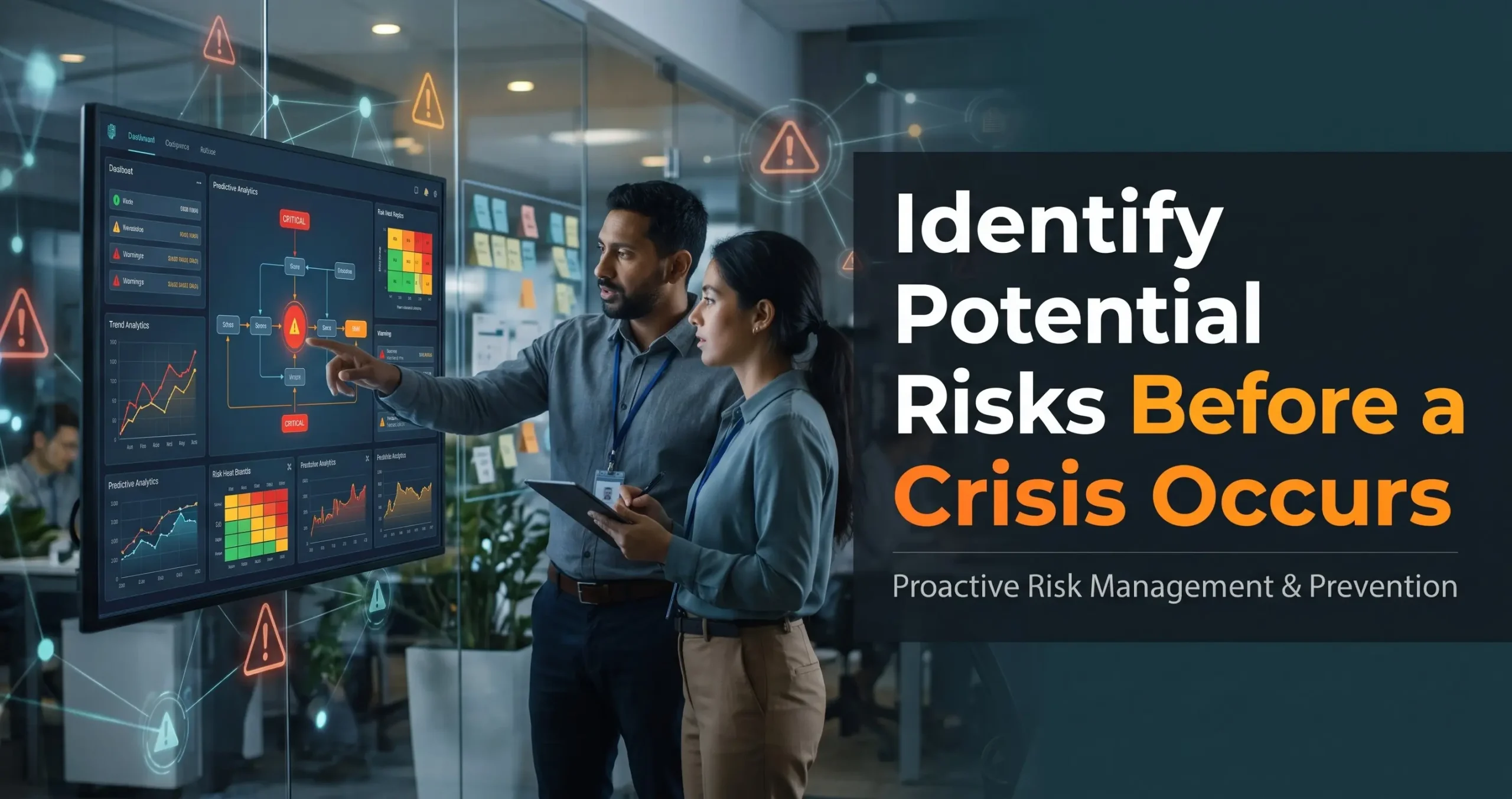 Preventing a crisis begins with understanding the risks that could affect an organization. Businesses should regularly examine internal processes, technology infrastructure, financial activities, employee practices, and external market conditions to identify possible vulnerabilities.
A structured risk assessment strategy helps management prioritize threats according to their potential impact. Early identification creates opportunities to introduce preventive measures before relatively small problems become serious organizational challenges.
Conduct a Comprehensive Business Risk Assessment
A business risk assessment evaluates possible threats that could interrupt operations or damage organizational performance. Internal risks may include financial mismanagement, employee disputes, technical failures, and inadequate security procedures.
External risks may involve economic uncertainty, regulatory changes, cyberattacks, and negative public attention. Understanding these factors strengthens organizational risk management and helps businesses develop appropriate prevention strategies.
Establish an Early Warning System
Organizations should monitor unusual activities, customer complaints, employee reports, and online discussions to identify potential problems. Monitoring these signals helps management recognize developing situations before they become difficult to control.
An effective early warning system supports faster decision-making and improves organizational preparedness. Regular monitoring also helps businesses identify changes in customer sentiment and emerging reputational risks.
Develop an Effective Crisis Management Plan
A crisis management plan establishes how an organization will respond when unexpected incidents occur. It defines responsibilities, communication procedures, emergency contacts, and operational priorities to ensure that employees understand the appropriate response.
Without proper planning, organizations may experience confusion, delayed decisions, and inconsistent communication. A documented crisis response plan provides a clear framework for managing emergencies and coordinating different departments.
Establish a Dedicated Crisis Management Team
A crisis management team coordinates organizational activities during unexpected situations. Depending on the nature of the business, the team may include senior executives, communication specialists, legal advisors, IT professionals, and human resources representatives.
Each member should understand their responsibilities and decision-making authority. Strong crisis leadership helps organizations coordinate responses, maintain accountability, and prevent unnecessary communication gaps.
Create Clear Emergency Response Procedures
Emergency response procedures explain how employees should report incidents, communicate with management, and follow approved instructions. These procedures should cover different scenarios, including technology disruptions, workplace emergencies, and reputational challenges.
A practical emergency response plan helps employees understand what actions to take during critical situations. Regular reviews and updates ensure that these procedures remain relevant as business requirements change.
Master Crisis Communication and Public Relations
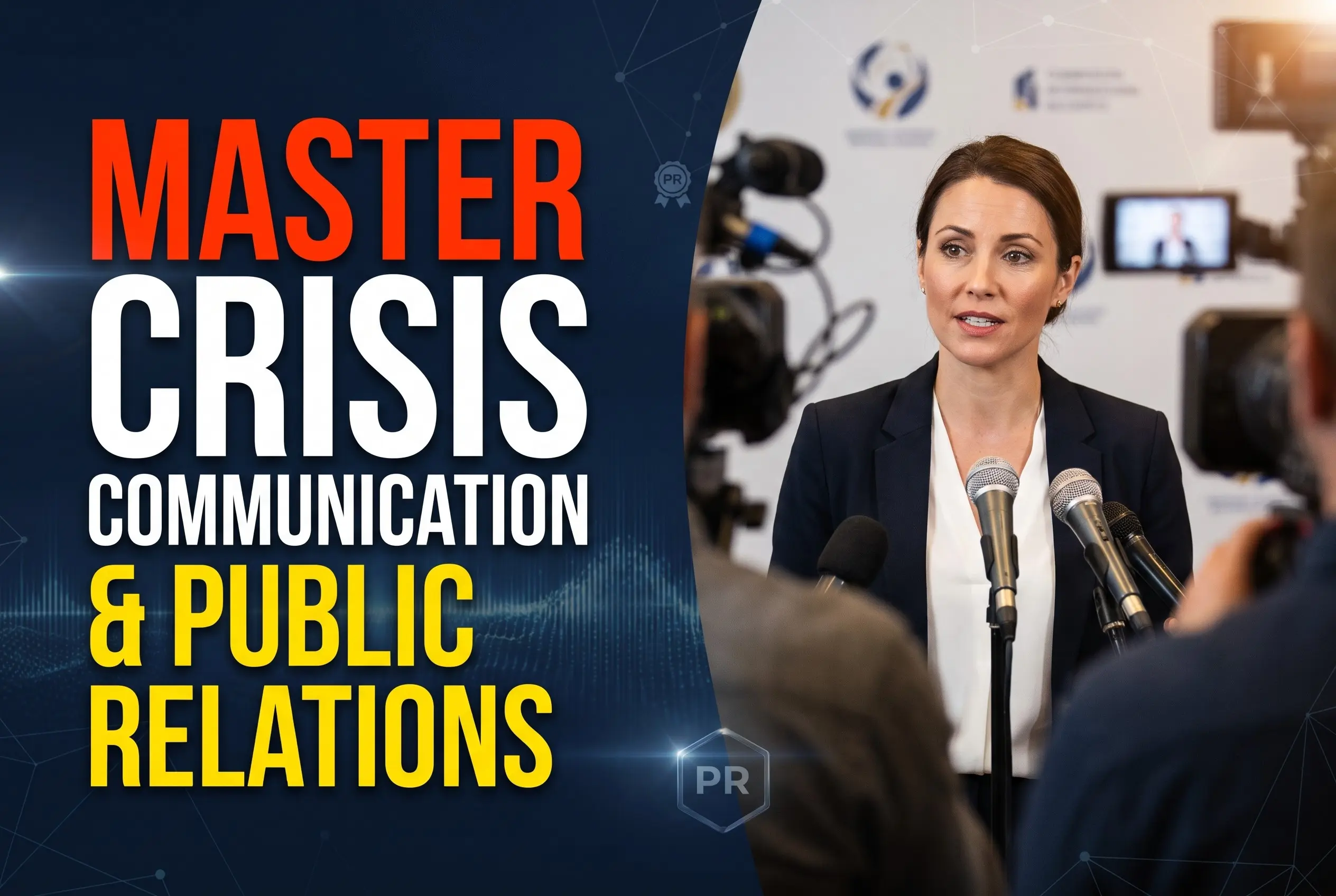 Communication plays a major role in determining how successfully an organization handles a crisis. Employees, customers, journalists, investors, and business partners expect reliable information when an unexpected incident affects business activities.
An effective crisis communication strategy ensures that important updates are accurate, timely, and consistent across communication channels. Proper planning also helps organizations reduce confusion and maintain stakeholder confidence.
Communicate Transparently With Stakeholders
Organizations should acknowledge serious incidents promptly and provide accurate information about the situation. Even when investigations are ongoing, communicating what is currently known can help reduce uncertainty.
Businesses should avoid unsupported claims or unrealistic promises. Transparent stakeholder communication demonstrates accountability and shows that management takes the situation seriously.
Manage Media Relations Professionally
Media coverage can significantly influence public understanding of a business crisis. Organizations should appoint authorized spokespersons who can provide accurate information and respond to relevant questions.
A structured public relations strategy helps maintain consistent messaging across news publications, interviews, press releases, and digital platforms. Preparing communication materials in advance can also improve response efficiency.
Protect Your Online Reputation During a Crisis
Digital platforms have changed how organizational crises develop and spread. Negative reviews, social media discussions, misleading articles, and customer complaints can quickly influence public perception.
Businesses need a structured approach to monitor online conversations and address concerns responsibly. Effective online reputation management helps organizations understand public sentiment, respond to misinformation, and maintain a credible digital presence.
Monitor Brand Mentions and Social Media Activity
Organizations should regularly track brand mentions across social media platforms, review websites, news publications, and online communities. Monitoring these conversations helps identify emerging concerns and understand how audiences are reacting to an incident.
Professional brand monitoring services can support reputation tracking and identify important changes in public sentiment. Early detection allows communication teams to prioritize issues and provide appropriate responses.
Handle Negative Content and Online Criticism
Negative content requires careful evaluation before organizations decide how to respond. Genuine criticism should be addressed professionally, while false or misleading information may require evidence-based clarification or appropriate reporting procedures.
Effective negative content management helps businesses address reputational challenges without creating additional controversy. Professional support can also help evaluate correction requests, eligible content removal options, and ethical reputation improvement strategies.
Maintain Business Continuity During Unexpected Situations
 Maintaining essential operations is an important part of crisis management. Even when an organization experiences significant disruption, continuing critical services helps protect customers, employees, revenue, and business relationships.
A comprehensive business continuity plan identifies essential activities and establishes alternative procedures for maintaining operations. It also provides guidance for restoring normal business activities after an incident.
Protect Essential Business Operations
Organizations should identify the departments, systems, and resources required to deliver critical services. Customer support, payment processing, communication systems, and supply chain operations may require alternative arrangements during emergencies.
Developing backup procedures strengthens operational resilience and reduces dependence on individual systems or resources. This preparation helps businesses maintain essential activities during unexpected disruptions.
Develop Disaster Recovery Strategies
Technology failures, cybersecurity incidents, and accidental data loss can interrupt business operations. Organizations should maintain secure backups and establish clear procedures for restoring important information and digital infrastructure.
A structured disaster recovery plan helps businesses recover essential systems and reduce downtime. Regular recovery testing ensures that backup procedures remain reliable when they are needed.
Train Employees for Effective Crisis Response
Employees are directly involved in identifying and reporting potential problems. Even an excellent crisis management plan may become ineffective if employees do not understand their responsibilities during emergencies.
Regular training improves organizational preparedness and encourages employees to follow established procedures. Effective crisis management training also strengthens internal communication and helps teams respond more confidently under pressure.
Conduct Crisis Simulation Exercises
Simulation exercises allow employees to practice responding to realistic emergency situations. Organizations can create scenarios involving cybersecurity incidents, negative publicity, operational disruptions, or customer safety concerns.
These exercises help management identify weaknesses in existing procedures and improve team coordination. Regular crisis simulation exercises also prepare employees to make better decisions during stressful situations.
Strengthen Internal Communication
Employees need accurate information to understand what is happening and how their responsibilities may change during a crisis. Organizations should establish reliable communication channels for sharing updates and reporting developments.
Consistent internal communication reduces misunderstandings and prevents conflicting information from spreading. It also encourages employees to cooperate with management and follow approved response procedures.
Evaluate Crisis Recovery and Improve Future Strategies
 Crisis management continues even after the immediate incident has been resolved. Organizations need to evaluate their response, understand what went wrong, and introduce improvements that reduce the possibility of similar problems in the future.
A structured crisis recovery strategy helps businesses restore confidence, improve operational procedures, and strengthen long-term organizational resilience.
Conduct a Post-Crisis Analysis
A post-crisis evaluation examines the organization’s response, communication quality, decision-making process, and operational recovery. Management should identify which procedures worked effectively and where improvements are necessary.
This post-crisis analysis provides valuable information for updating risk assessments and response plans. It also helps organizations understand how different departments performed during the incident.
Rebuild Customer Trust and Brand Credibility
Restoring public confidence requires consistent actions rather than temporary communication efforts. Businesses should address the underlying problem, improve affected services, and demonstrate accountability through measurable changes.
A long-term reputation recovery strategy helps organizations rebuild stakeholder relationships and improve their public image. Continued transparency and responsible business practices are essential for maintaining trust after a crisis.
How SanMo AE Supports Organizations With Crisis Management
Managing organizational crises requires a combination of preparation, communication, and reputation protection. While every business needs its own emergency procedures, digital reputation challenges often require specialized expertise to address online criticism, negative search results, and public perception.
SanMo AE provides digital marketing, SEO, and online reputation management solutions that can support organizations dealing with reputation-related challenges. Its expertise can contribute to online reputation monitoring, content optimization, and strategic digital reputation improvement.
Strengthen Brand Reputation With Professional Support
SanMo AE focuses on helping businesses improve their digital presence through strategic SEO, content development, and reputation management practices. These services can support organizations working to improve the visibility of accurate information and maintain a professional online identity.
By combining ethical search engine optimization with reputation-focused digital marketing, businesses can develop a stronger online presence and communicate their brand values more effectively.
Choose a Transparent Crisis Management Approach
Selecting a professional service provider requires careful evaluation of experience, communication practices, reporting methods, and realistic service expectations. Organizations should prioritize providers that understand ethical reputation management and responsible digital marketing.
Avoid unrealistic promises about guaranteed content removal or immediate reputation recovery. A sustainable strategy should focus on transparency, accurate information, and measurable improvements.
Conclusion
Crisis management is an essential part of organizational success because unexpected incidents can affect operations, customer relationships, and brand reputation. Businesses need to identify potential risks, develop structured response plans, communicate transparently, and prepare employees to handle emergencies.
Effective Crisis Management Services help organizations respond responsibly, minimize potential damage, and recover from challenging situations. By prioritizing preparation, business continuity, and reputation protection, companies can develop stronger resilience and maintain stakeholder confidence. With strategic digital marketing and professional reputation management support from SanMo AE, organizations can strengthen their online credibility and work toward long-term business stability.
Frequently Asked Questions (FAQs)
1. What Are Crisis Management Services?
Crisis Management Services help organizations prepare for, respond to, and recover from unexpected incidents. These services may include risk assessment, emergency planning, crisis communication, reputation management, and recovery strategies.
2. Why Are Crisis Management Services Important?
They help organizations minimize business disruption, protect brand reputation, maintain stakeholder confidence, and make informed decisions during emergencies. Proper preparation also reduces the possibility of avoidable mistakes.
3. What Are the Main Stages of Crisis Management?
The main stages generally include prevention, preparation, response, recovery, and evaluation. Each stage helps organizations identify threats, manage incidents, restore operations, and improve future preparedness.
4. How Can Organizations Prepare for a Crisis?
Organizations can prepare by conducting risk assessments, developing crisis response plans, assigning responsibilities, training employees, and establishing communication procedures. Regular simulation exercises also improve emergency readiness.
5. What Is a Crisis Communication Strategy?
A crisis communication strategy defines how an organization shares accurate information with employees, customers, media representatives, and other stakeholders during an emergency. It helps maintain transparency and prevent inconsistent messaging.
6. How Does Crisis Management Protect Brand Reputation?
Crisis management protects brand reputation through timely communication, responsible decision-making, and effective responses to public concerns. It also helps organizations address misinformation and rebuild stakeholder trust.
7. What Is the Difference Between Risk Management and Crisis Management?
Risk management focuses on identifying and reducing potential threats before they occur. Crisis management focuses on preparing for and responding to incidents, followed by recovery and organizational improvement.
8. How Does Social Media Influence Crisis Management?
Social media allows information and public reactions to spread quickly. Monitoring online conversations and responding with accurate information helps organizations manage public concerns and reduce reputational damage.
9. How Long Does Crisis Recovery Take?
Recovery time depends on the severity of the incident, operational disruption, and reputational impact. Minor issues may be resolved quickly, while complex business and reputation challenges can require several months or longer.
10. How Can SanMo AE Help Organizations Manage Reputation-Related Crises?
SanMo AE supports businesses through digital marketing, SEO, content optimization, and online reputation management strategies. These solutions can help organizations strengthen digital visibility, address negative online content, and improve brand credibility.