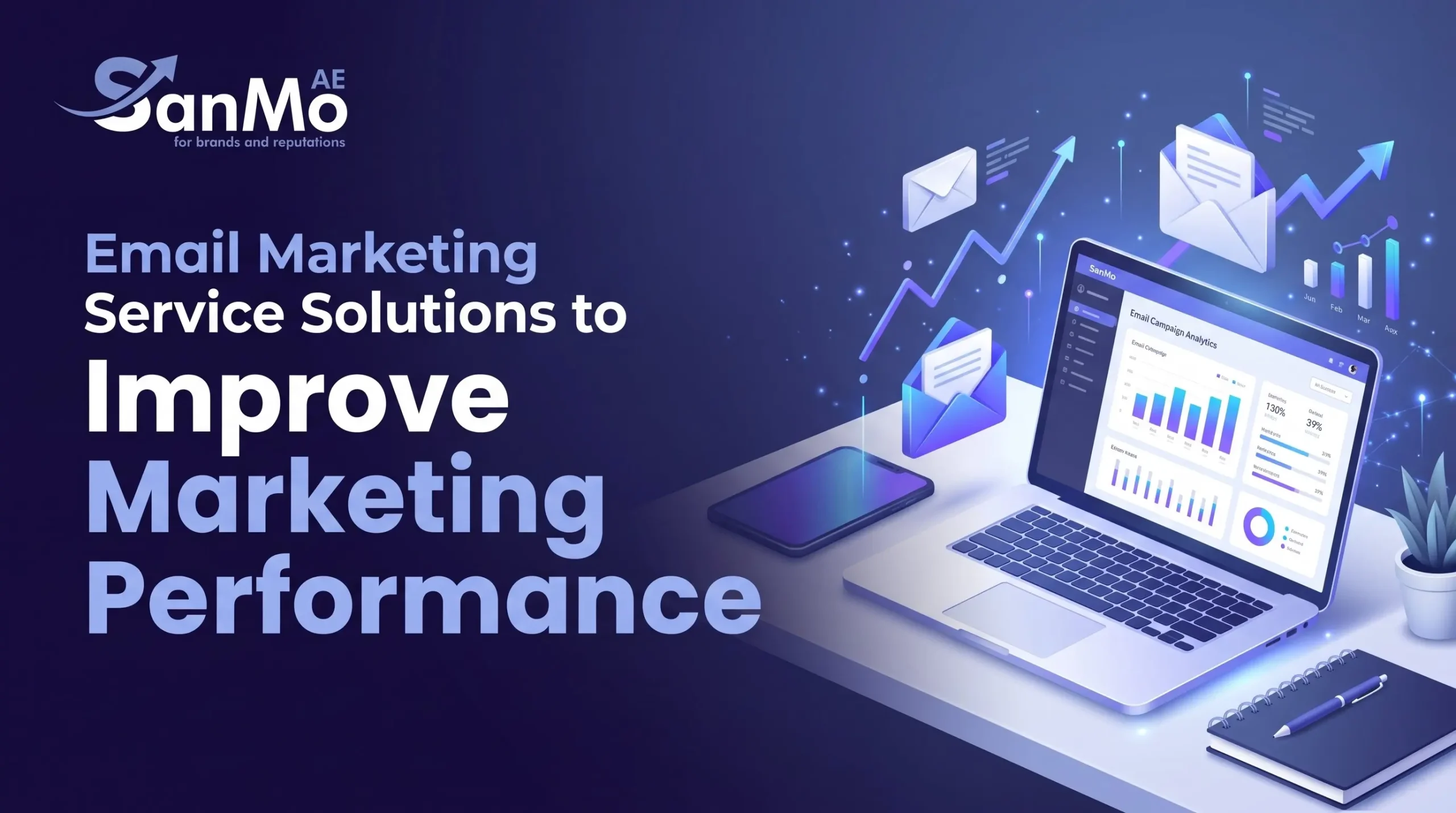
In today’s competitive digital marketplace, businesses need effective ways to communicate with customers, promote their products, and maintain long-term relationships. Although social media and paid advertising play important roles in digital growth, email remains a valuable communication channel for reaching interested audiences. A professional Email Marketing Service helps businesses develop targeted campaigns, deliver relevant messages, nurture potential customers, and improve overall marketing performance.
Email marketing offers more than sending promotional messages. It allows companies to build subscriber relationships, share valuable information, introduce new products, and guide prospects through different stages of the buying journey. With the right strategy, businesses can create personalized communication that encourages customers to engage with their brand and take meaningful action.
However, achieving consistent results requires proper planning, audience segmentation, compelling content, automation, and performance tracking. Businesses must understand their target audience and deliver relevant messages at the right time to improve campaign effectiveness. SanMo AE focuses on digital marketing solutions that help businesses strengthen their online presence and achieve sustainable growth. Understanding how email marketing works can help organizations improve customer communication, generate qualified leads, increase conversions, and make better use of their marketing resources.
Understanding Email Marketing Service Solutions
An Email Marketing Service provides businesses with the tools, strategies, and campaign management support needed to communicate with subscribers through email. It helps organizations create, distribute, automate, and analyze marketing campaigns according to their business objectives.
These services can support different marketing activities, including promotional campaigns, newsletters, product announcements, customer onboarding, and follow-up communication. Businesses can use email marketing platforms to manage subscriber lists, personalize messages, and evaluate campaign performance.
How Email Marketing Services Work
Email marketing begins with building a permission-based subscriber list. Businesses collect email addresses through website subscription forms, landing pages, customer registrations, and other appropriate opt-in methods.
After collecting subscribers, companies organize their audiences according to interests, preferences, and customer behavior. They then develop relevant email content and schedule campaigns based on marketing objectives.
Modern email marketing platforms also provide automation features, analytics, and personalization tools. These capabilities help businesses manage communication efficiently while understanding how subscribers interact with their messages.
Why Businesses Need Professional Email Marketing Solutions
Managing email campaigns without a clear strategy can lead to poor engagement, low conversions, and inconsistent communication. Professional email marketing solutions help businesses create structured campaigns that align with their target audience and marketing goals.
A well-planned approach supports customer relationship management, brand awareness, and digital marketing performance. It also allows businesses to maintain consistent communication without depending entirely on paid advertising or social media algorithms.
Key Benefits of an Email Marketing Service
 Email marketing offers several advantages for businesses looking to improve their digital marketing performance. It creates a direct communication channel between companies and their audiences, making it easier to deliver relevant information and maintain customer relationships. When campaigns are properly planned, businesses can improve engagement and generate measurable marketing results.
Improve Customer Engagement
Customer engagement is essential for building meaningful relationships and encouraging repeat interactions. Email allows businesses to share useful information, company updates, educational content, and promotional announcements directly with subscribers.
Relevant messages can encourage recipients to visit websites, explore products, read blog posts, or interact with a brand. Using customer engagement strategies, personalized email campaigns, and valuable content helps businesses maintain audience interest.
Instead of sending repetitive promotional messages, companies should focus on delivering information that addresses customer needs. This approach creates a more positive subscriber experience and supports long-term brand relationships.
Generate Qualified Leads
Email marketing can help businesses attract and nurture potential customers who have already expressed interest in their products or services. Subscription forms, downloadable resources, newsletters, and landing pages can encourage visitors to join a company’s mailing list.
Once subscribers enter the marketing funnel, businesses can share educational content, product information, and relevant offers to develop their interest.
Through lead generation campaigns, lead nurturing, and email list building, companies can gradually move prospects toward purchasing decisions. This process also helps sales teams identify subscribers who demonstrate stronger interest in available solutions.
Increase Sales and Conversions
Email marketing can influence purchasing decisions by providing customers with relevant product information, special offers, and personalized recommendations. Businesses can use targeted campaigns to introduce new products, announce discounts, and encourage subscribers to complete purchases.
For ecommerce companies, promotional emails and abandoned cart reminders can create additional opportunities to recover potential transactions. Service-based businesses can use consultation invitations, case studies, and service updates to encourage inquiries.
Effective conversion rate optimization, promotional email campaigns, and sales funnel management help businesses connect marketing communication with measurable commercial objectives.
Build Strong Customer Relationships
Maintaining customer relationships requires regular communication and consistent value. Email provides businesses with an opportunity to stay connected with subscribers even when they are not actively considering a purchase.
Companies can send welcome emails, helpful resources, personalized recommendations, and post-purchase updates to maintain ongoing communication. These interactions support customer retention, brand loyalty, and customer lifecycle marketing.
A consistent email communication strategy helps customers become more familiar with a business. Over time, valuable interactions can strengthen trust and encourage repeat purchases.
Improve Marketing ROI
Businesses need marketing channels that deliver measurable results while making efficient use of available resources. Email marketing allows companies to communicate with an existing subscriber audience without paying for every individual message delivered.
By monitoring campaign expenses, generated revenue, and conversion activity, organizations can evaluate their marketing investments. Effective email marketing ROI, campaign performance tracking, and marketing analytics help identify which strategies produce the strongest results.
Essential Email Marketing Strategies for Better Performance
Successful email marketing requires a structured approach that considers audience expectations, content quality, campaign timing, and business objectives. Simply sending emails regularly does not guarantee engagement or conversions. Businesses should develop strategies that make every communication relevant, valuable, and aligned with the customer journey.
Audience Segmentation and Targeting
Audience segmentation helps businesses divide subscribers into smaller groups based on their interests, preferences, demographics, and purchasing behavior. This allows marketers to create campaigns that address the specific needs of different customer groups.
For example, an ecommerce business can send product recommendations to previous buyers while sharing introductory offers with new subscribers. This improves message relevance and reduces unnecessary communication.
Using email list segmentation, target audience analysis, and behavioral targeting, businesses can develop more focused campaigns. Relevant messages are more likely to attract attention and encourage meaningful customer interactions.
Create Personalized Email Content
Personalization makes email communication more relevant by considering individual subscriber information and preferences. Businesses can personalize subject lines, greetings, product recommendations, and message content to create a more engaging experience.
For example, an online store can recommend products based on a customer’s previous purchases or browsing interests, where appropriate data and consent are available.
Effective email personalization, dynamic email content, and customer data analysis help companies deliver messages that feel more relevant to individual subscribers. However, personalization should always respect privacy expectations and applicable data protection requirements.
Write Compelling Subject Lines
The subject line is often the first element subscribers notice when receiving a marketing email. A clear and interesting subject line can encourage recipients to open a message and explore its content.
Businesses should communicate the main value of an email without using misleading promises or exaggerated claims. Testing different subject line formats can help marketers understand which approaches attract more attention.
Strong email subject line optimization, open rate improvement, and relevant messaging contribute to better campaign performance. The subject line should accurately represent the information contained in the email.
Optimize Emails for Mobile Devices
Many subscribers access their emails through smartphones and tablets. If a marketing email is difficult to read or interact with on smaller screens, recipients may leave without engaging with its content.
Businesses should use responsive email templates, readable typography, clear layouts, and appropriately sized buttons. Images should load efficiently, and important information should remain accessible without excessive scrolling.
Applying mobile email optimization, responsive email design, and user experience optimization helps create a consistent experience across different devices. Mobile-friendly communication can make it easier for customers to explore offers and complete desired actions.
Email Marketing Automation for Business Growth
 Email marketing automation helps businesses deliver scheduled and behavior-based messages without manually managing every campaign. It allows companies to communicate with subscribers at important moments, such as registration, product interest, purchase completion, and customer inactivity. When implemented properly, automation improves efficiency while maintaining consistent communication throughout the customer journey.
Welcome Email Automation
Welcome emails introduce new subscribers to a business and establish expectations for future communication. They can explain available products, highlight important services, share useful resources, and introduce the company’s brand identity. A well-designed welcome sequence can also encourage new subscribers to explore a website or take advantage of an introductory offer.
Using automated welcome emails, subscriber onboarding, and email workflow automation, businesses can create a positive first impression. These messages should be relevant to the original subscription and provide clear information about what subscribers can expect.
Abandoned Cart Email Campaigns
Abandoned cart emails help ecommerce businesses reconnect with customers who add products to their shopping carts but do not complete their purchases. Customers may leave because of unexpected costs, payment difficulties, or distractions during checkout.
A helpful reminder can bring attention back to the selected products and provide a convenient link to continue shopping. Businesses may also address common purchasing concerns through relevant product or delivery information.
Effective abandoned cart recovery, ecommerce email automation, and purchase follow-up emails can create additional sales opportunities while improving the shopping experience.
Re-Engagement Email Campaigns
Some subscribers gradually stop opening emails or interacting with business communications. Re-engagement campaigns help organizations reconnect with inactive subscribers by sharing relevant updates, useful resources, or carefully selected offers.
These campaigns can also ask subscribers whether they still want to receive marketing emails. Removing or suppressing unengaged contacts when appropriate helps maintain a healthier subscriber list.
Through inactive subscriber campaigns, email engagement recovery, and subscriber retention strategies, businesses can improve list quality and focus communication on audiences who remain interested.
Measuring Email Marketing Campaign Performance
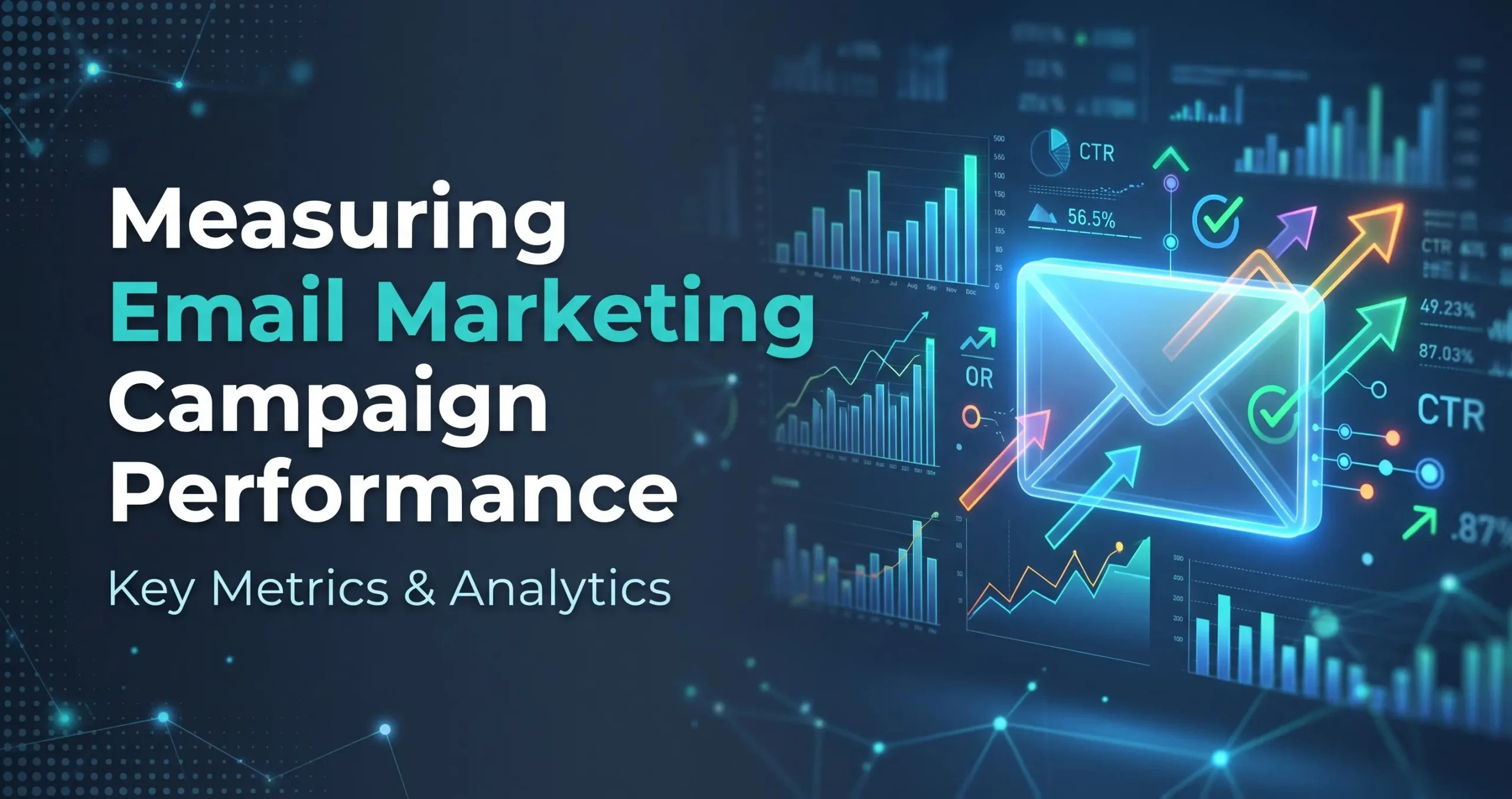 Measuring campaign performance helps businesses understand whether their email marketing strategies are achieving their intended objectives. Tracking the right indicators reveals how subscribers respond to messages, which campaigns generate conversions, and where improvements are necessary. Regular performance analysis allows companies to make informed decisions and improve future marketing activities.
Track Important Email Marketing KPIs
Key performance indicators provide measurable information about campaign effectiveness. Businesses should evaluate metrics according to their specific objectives instead of relying on a single measurement.
Email delivery rate helps assess successful message delivery, while click-through rate (CTR) measures how frequently recipients click links within an email. Conversion rate indicates how many recipients complete a desired action.
Companies can also monitor unsubscribe rates, bounce rates, and revenue attributed to email campaigns. These measurements provide useful insights into audience engagement and overall marketing performance.
Conduct A/B Testing
A/B testing allows businesses to compare different versions of an email campaign to identify which performs better. Marketers can test subject lines, calls to action, email layouts, content formats, and sending times.
For example, a company may compare two subject lines to understand which generates more engagement among similar subscriber groups. Testing one major variable at a time makes the findings easier to interpret.
Using email A/B testing, campaign optimization, and data-driven decision-making helps businesses improve communication based on actual subscriber behavior rather than assumptions.
Choosing the Right Email Marketing Service Provider
 Selecting an appropriate service provider is important for maintaining campaign quality, improving efficiency, and achieving business objectives. Businesses should evaluate their marketing requirements, subscriber volume, automation needs, reporting capabilities, and available support before making a decision. The right solution should offer flexibility, reliability, and features that support long-term marketing development.
Evaluate Automation and Integration Features
A suitable email marketing solution should support essential campaign management activities, including subscriber organization, automated workflows, personalization, and performance reporting.
Integration capabilities are also important because businesses may need to connect their email platform with ecommerce systems, customer relationship management tools, website forms, or other marketing applications.
Strong CRM integration, marketing automation software, and centralized customer data management can reduce manual work and improve communication consistency.
Consider Deliverability and Security
Email deliverability determines whether marketing messages successfully reach subscribers’ inboxes rather than being rejected or filtered as spam. Businesses should select solutions that support proper authentication, list hygiene, and responsible sending practices.
Technical configurations such as SPF, DKIM, and DMARC help authenticate email sending domains and protect against unauthorized use. Companies should also maintain permission-based subscriber lists and follow applicable privacy regulations.
A reliable email marketing strategy combines technical best practices with relevant content and responsible communication.
Common Email Marketing Mistakes Businesses Should Avoid
Even well-planned campaigns can produce disappointing results when businesses overlook important marketing practices. Understanding common mistakes helps organizations protect subscriber relationships, maintain communication quality, and improve campaign effectiveness. A successful strategy requires consistent evaluation, responsible messaging, and a clear understanding of customer expectations.
Sending Too Many Promotional Emails
Sending excessive promotional emails can overwhelm subscribers and increase unsubscribe rates. Businesses should maintain a balanced communication schedule that combines promotional messages with educational content, useful updates, and relevant information.
A thoughtful email frequency strategy helps maintain audience interest without creating unnecessary interruptions. Companies should also respect subscriber preferences and provide clear unsubscribe options.
Ignoring Email Analytics
Failing to monitor campaign performance makes it difficult to understand what works and what needs improvement. Businesses should regularly review engagement, delivery, clicks, conversions, and revenue-related metrics.
Using email performance analytics helps identify ineffective campaigns and opportunities for improvement. Data-driven adjustments can make future communication more relevant and productive.
Why Choose SanMo AE for Digital Marketing Solutions?
Choosing the right digital marketing partner can help businesses develop a consistent marketing strategy and strengthen their online presence. Email marketing works best when it supports broader business objectives, including customer acquisition, brand awareness, lead generation, and customer retention.
SanMo AE focuses on digital marketing solutions designed to help businesses improve their online visibility and marketing performance. By connecting email communication with SEO services, social media marketing, content marketing, and conversion-focused strategies, businesses can create a more integrated digital marketing approach.
A well-structured strategy helps companies reach their target audiences, maintain consistent brand communication, and identify opportunities for sustainable growth. Businesses looking to improve their marketing performance can explore the available solutions at SanMo AE and develop strategies aligned with their specific business goals.
Frequently Asked Questions (FAQs)
1. What is an Email Marketing Service?
An Email Marketing Service helps businesses create, send, automate, and monitor marketing emails. It supports customer communication, lead generation, promotional campaigns, and customer retention.
2. How can email marketing improve business performance?
Email marketing improves business performance by helping companies reach targeted audiences, nurture leads, promote products, strengthen customer relationships, and generate sales through relevant communication.
3. Is email marketing effective for small businesses?
Yes. Small businesses can use email marketing to communicate with subscribers, announce offers, share company updates, and promote products without depending entirely on paid advertising.
4. What are the main benefits of professional email marketing services?
Professional services can help businesses improve campaign management, audience segmentation, personalization, automation, email deliverability, and performance tracking.
5. How does email marketing automation work?
Email automation sends scheduled or behavior-triggered messages based on subscriber activities. Examples include welcome emails, abandoned cart reminders, purchase confirmations, and re-engagement campaigns.
6. What is email list segmentation?
Email list segmentation involves dividing subscribers into groups based on characteristics such as interests, preferences, demographics, and purchasing behavior. It helps businesses deliver more relevant campaigns.
7. How can businesses improve email open rates?
Businesses can improve open rates through relevant subject lines, audience segmentation, consistent sending practices, and appropriate campaign timing. Sender reputation and inbox placement also influence results.
8. Which email marketing metrics should businesses track?
Important metrics include delivery rate, open rate, click-through rate, conversion rate, bounce rate, unsubscribe rate, and campaign-generated revenue. These indicators help evaluate campaign performance.
9. Is email marketing suitable for ecommerce businesses?
Yes. Ecommerce businesses can use email marketing for product announcements, personalized recommendations, abandoned cart recovery, seasonal promotions, and post-purchase communication.
10. How can SanMo AE support business marketing growth?
SanMo AE offers digital marketing solutions that help businesses strengthen their online presence and improve marketing performance. Companies can explore its services to develop strategies aligned with their growth objectives.
Conclusion
An effective Email Marketing Service can help businesses improve customer engagement, generate qualified leads, increase conversions, and strengthen long-term customer relationships. However, achieving meaningful results requires more than sending promotional emails. Companies need audience segmentation, personalized content, automation, mobile-friendly designs, and consistent performance monitoring.
By implementing the right strategies, businesses can turn email communication into a valuable part of their digital marketing activities. Combining email campaigns with other marketing channels can further improve brand visibility and create opportunities for sustainable business growth. SanMo AE helps businesses strengthen their digital marketing efforts through strategic solutions. Investing in a well-planned marketing approach can help organizations improve communication, build customer trust, and achieve better marketing performance.