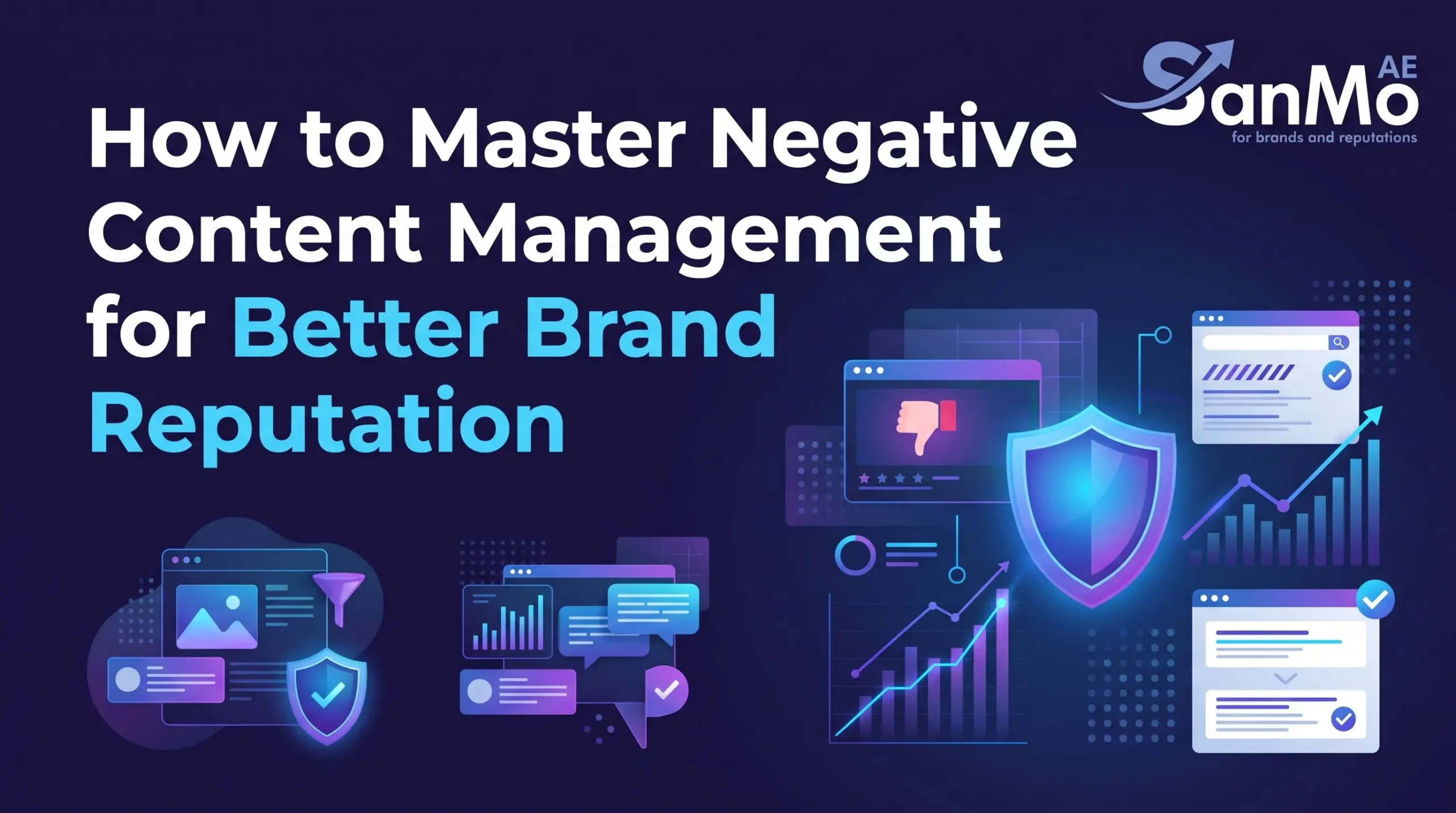
Negative Content Management is an essential part of maintaining a strong online reputation in today’s competitive digital environment. Businesses frequently face negative reviews, misleading information, unfavorable articles, and harmful social media discussions that can influence customer decisions. When negative content appears in search engine results, it may damage brand credibility, reduce customer confidence, and affect long-term business growth.
Managing these challenges requires more than simply responding to criticism or attempting to remove unfavorable information. Businesses need a strategic approach that combines content monitoring, professional communication, search engine optimization, and proactive reputation protection. Effective online reputation management helps organizations understand potential threats, address legitimate concerns, and strengthen their digital presence.
SanMo AE provides professional reputation management solutions designed to help businesses protect their brand image, manage negative online content, and maintain customer trust. By implementing structured strategies and continuous monitoring, companies can develop a more positive and reliable online presence.
Understanding Negative Content Management
Negative content management refers to identifying, evaluating, addressing, and reducing the impact of unfavorable information published about a person, business, or brand online. Such information may appear through customer reviews, blog posts, news articles, discussion forums, social media platforms, and search engine results.
An effective digital reputation strategy focuses on understanding the source and context of negative information before taking action. Not every negative mention requires removal. Some feedback provides valuable insights into customer expectations and business performance. However, false claims, defamatory publications, and misleading information may require more specialized attention.
Businesses that understand these differences can develop appropriate responses while protecting their credibility and maintaining transparent communication with their audiences.
Common Types of Negative Online Content
Negative online content can take several forms, including unfavorable customer reviews, misleading blog posts, inaccurate news coverage, and harmful social media comments. These publications can influence how potential customers evaluate a company.
Understanding different types of negative content helps businesses determine the appropriate response. A genuine customer complaint requires a different approach from false information or defamatory material. Proper classification is therefore an important foundation of effective brand reputation protection.
Why Negative Content Management Matters for Brand Reputation
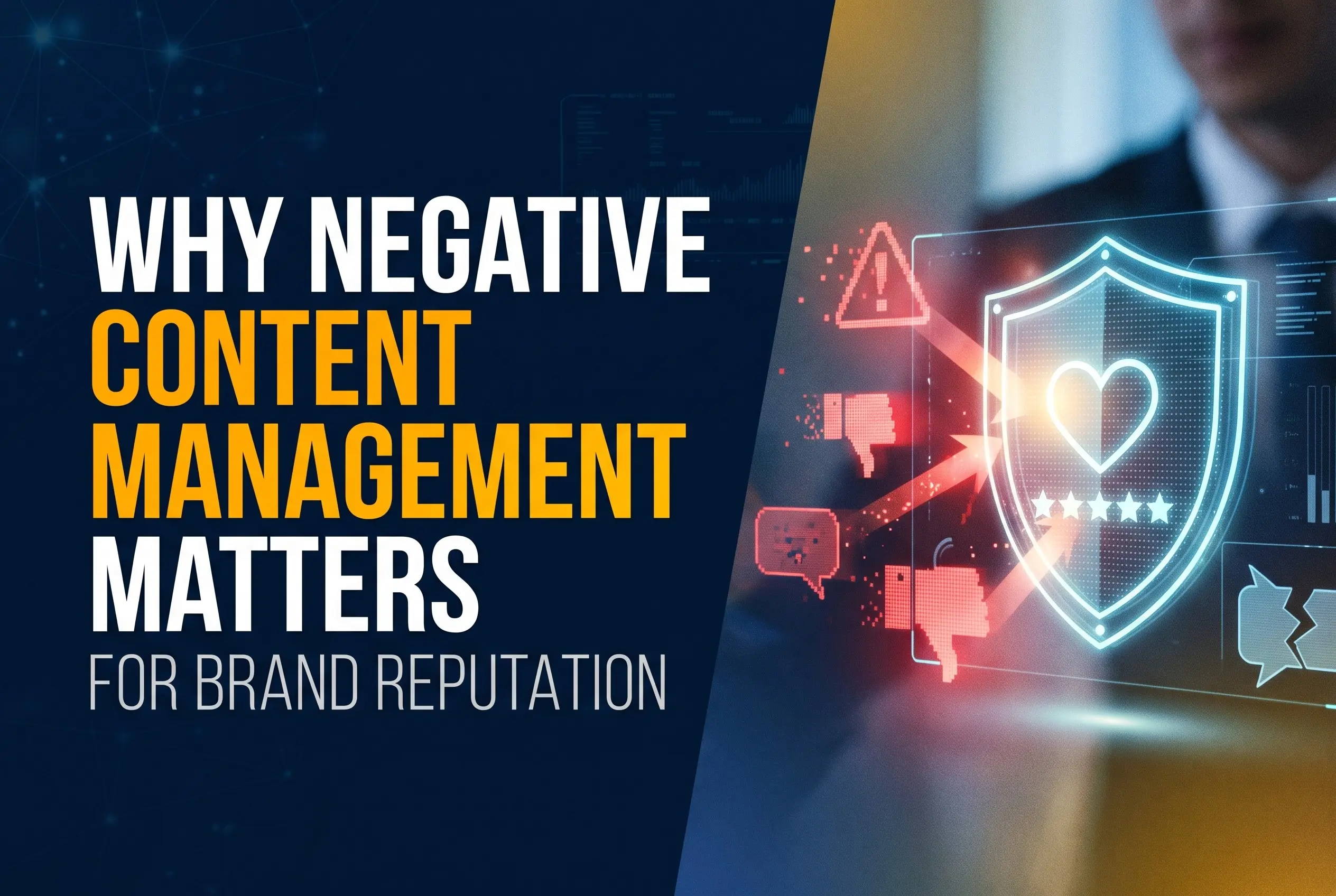 Online reputation directly influences customer confidence and purchasing decisions. Before choosing a product or service, potential customers often search for company information, read customer reviews, and compare competing brands.
When negative information dominates search results, businesses may struggle to establish credibility. This can affect customer acquisition, brand visibility, and overall business performance. A consistent reputation management strategy helps companies address these challenges while maintaining a trustworthy digital identity.
Professional negative content management also allows businesses to identify emerging reputation threats before they become larger problems. By responding appropriately and improving their online presence, organizations can strengthen customer relationships and support sustainable growth.
Protecting Customer Trust and Brand Credibility
Customer trust is one of the most valuable assets of any business. Negative content can create uncertainty about product quality, service reliability, and company transparency.
Businesses should address legitimate concerns through clear communication and practical solutions. Consistent customer engagement demonstrates accountability and helps establish stronger relationships. Effective brand credibility management also ensures that accurate and relevant information remains accessible to potential customers.
Strategies to Identify and Monitor Negative Content
Identifying negative content is the first step toward managing online reputation challenges. Businesses need to understand where their brand is being discussed and what people are saying about their products, services, and customer experiences.
A structured monitoring process helps organizations discover unfavorable mentions across search engines, review platforms, social networks, and online publications. Combining manual research with professional monitoring tools makes it easier to identify potential threats and evaluate their impact.
Monitor Brand Mentions Across Digital Platforms
Businesses should regularly monitor brand mentions across Google search results, social media platforms, industry websites, and customer review directories. Monitoring different variations of a company name can help uncover discussions that might otherwise remain unnoticed.
Using brand monitoring tools and Google Alerts can provide notifications when new content mentions a business. This allows reputation management teams to investigate emerging issues and respond before negative discussions gain wider attention.
Analyze Negative Search Engine Results
Search engine results play an important role in shaping brand perception. Businesses should regularly evaluate the content appearing on the first page of Google when customers search for their company name or related services.
A detailed search engine reputation management process helps identify unfavorable articles, outdated information, misleading publications, and negative reviews. Understanding the ranking, relevance, and authority of each result allows businesses to prioritize their reputation management efforts.
Effective Ways to Manage Negative Online Content
 Managing negative content requires a balanced approach that combines investigation, communication, and ethical digital marketing practices. Businesses should avoid aggressive responses or unrealistic removal promises because these actions may create additional reputation challenges.
Instead, organizations should focus on addressing legitimate concerns, correcting inaccurate information, and improving the visibility of trustworthy content. A carefully planned negative content removal strategy can help reduce the impact of harmful publications while maintaining transparency and compliance with platform policies.
Respond Professionally to Negative Reviews
Customer reviews can strongly influence purchasing decisions. When businesses receive negative feedback, they should respond professionally and acknowledge genuine customer concerns.
A thoughtful response should explain how the issue can be addressed and offer an appropriate solution when possible. Avoiding defensive language helps prevent unnecessary arguments and demonstrates a commitment to customer satisfaction.
Effective online review management can transform difficult customer interactions into opportunities to demonstrate accountability and improve service quality.
Request Removal of False or Defamatory Content
Some online publications contain inaccurate information, impersonation, harassment, or potentially defamatory statements. Businesses should carefully review such material and determine whether it violates the relevant website’s policies or applicable laws.
When appropriate, organizations can submit formal removal requests with supporting evidence. Professional content removal services may help identify suitable reporting procedures and coordinate communication with publishers or platforms.
However, removal is not guaranteed. Legitimate criticism and unfavorable opinions may remain published even when businesses disagree with them. Any removal strategy should follow applicable laws and platform guidelines.
Use SEO to Reduce the Visibility of Harmful Content
When unfavorable information cannot be removed, businesses may use ethical SEO strategies to improve the visibility of accurate and positive brand content.
Publishing informative articles, optimizing service pages, developing professional profiles, and earning relevant backlinks can strengthen a company’s digital presence. This approach is commonly associated with negative content suppression and search result suppression.
The objective is not to manipulate search engines but to make valuable, relevant, and trustworthy information easier for audiences to discover. Over time, consistent positive content creation can help establish a stronger online brand presence.
Building a Strong Positive Online Presence
 A positive online presence is an important foundation of long-term reputation management. Businesses should consistently publish useful information that communicates their expertise, values, services, and commitment to customers.
High-quality content can improve brand visibility while helping audiences understand what makes a company trustworthy. A well-developed content marketing strategy also supports organic search performance and creates additional opportunities for customer engagement.
Develop Valuable and Informative Content
Publishing educational blog posts, industry insights, case studies, and service guides helps businesses demonstrate their expertise. Content should address real customer questions and provide accurate information rather than focusing exclusively on promotional messages.
Consistent publishing also creates opportunities to rank for relevant search queries. Through SEO content optimization, businesses can improve content relevance, strengthen topical authority, and attract audiences searching for reliable industry information.
Strengthen Social Media Engagement
Social media provides businesses with direct communication channels for interacting with customers and managing brand perception. Regular updates, informative posts, and professional responses help create a consistent brand identity.
Companies should encourage meaningful conversations rather than focusing only on follower numbers. Effective social media reputation management helps organizations understand customer sentiment, address concerns, and maintain positive relationships across digital communities.
Measuring the Success of Negative Content Management
Negative content management should be evaluated through measurable performance indicators. Tracking results allows businesses to understand whether their strategies are improving brand visibility, customer perception, and overall online reputation.
Regular performance assessments also help identify weaknesses and determine where additional attention is necessary. A structured reputation management analysis provides useful insights into the effectiveness of ongoing reputation protection activities.
Track Search Visibility and Brand Sentiment
Businesses should monitor branded search results, positive and negative brand mentions, customer review trends, and audience engagement. These indicators provide a clearer understanding of how people perceive the company online.
Sentiment analysis can help identify changes in customer opinions by examining the tone of online discussions. Comparing results over time allows businesses to recognize improvements, discover recurring concerns, and adjust their communication strategies.
Evaluate Customer Feedback and Engagement
Customer feedback provides valuable information about service quality and brand perception. Businesses should evaluate review patterns, response times, recurring complaints, and customer satisfaction trends.
These insights help organizations identify operational improvements that may prevent future reputation problems. Consistent customer experience management also supports stronger relationships and encourages customers to share genuine positive experiences.
How SanMo AE Helps Businesses Manage Negative Content
Managing negative online information requires experience, consistent monitoring, and a strategic understanding of digital reputation. Businesses may struggle to identify harmful publications, communicate with third-party websites, or improve the visibility of accurate brand information without professional support.
SanMo AE offers reputation management solutions designed to help businesses address online reputation challenges and strengthen their digital presence. Its approach focuses on understanding reputation risks, improving brand visibility, and supporting long-term credibility.
Through professional negative content management services, businesses can develop structured strategies for handling unfavorable search results, monitoring brand mentions, and improving their online image.
Customized Reputation Management Strategies
Every business has different reputation challenges. Some companies may experience negative reviews, while others may face misleading articles, outdated search results, or damaging online discussions.
SanMo AE focuses on understanding individual business requirements before developing suitable reputation management strategies. A customized approach helps organizations prioritize important issues and choose appropriate actions based on their specific circumstances.
Long-Term Brand Protection and Monitoring
Reputation management requires continuous attention rather than occasional corrective action. Businesses need to monitor new brand mentions, evaluate customer feedback, and maintain consistent digital communication.
SanMo AE helps businesses strengthen their online reputation through strategic reputation management practices. With ongoing attention to brand monitoring, content quality, and digital visibility, companies can build a more reliable online presence and improve customer confidence.
Conclusion
Mastering negative content management requires consistency, strategic planning, and a commitment to maintaining transparency. Businesses must understand the sources of unfavorable information, respond professionally to customer concerns, and use ethical SEO practices to strengthen their digital presence.
A successful reputation management strategy does not depend entirely on removing negative content. It also involves publishing valuable information, improving customer experiences, and building genuine relationships with audiences. With professional support from SanMo AE, businesses can take a more structured approach to managing online reputation challenges. Investing in long-term online brand protection helps organizations strengthen credibility, maintain customer trust, and establish a more positive digital identity.
Frequently Asked Questions (FAQs)
1. What is Negative Content Management?
Negative Content Management is the process of identifying, monitoring, addressing, and reducing the impact of unfavorable online information. It helps businesses protect their digital reputation and maintain customer confidence.
2. Why is Negative Content Management important for businesses?
It is important because negative reviews, misleading articles, and unfavorable search results can damage customer trust. Effective management helps businesses maintain credibility and protect their long-term brand image.
3. Can negative content be removed from Google?
Google may remove certain content that violates its policies or applicable legal requirements. However, legitimate criticism and many third-party publications cannot simply be removed from search results.
4. How can businesses suppress negative search results?
Businesses can improve the visibility of accurate and positive information through quality content creation, ethical SEO, professional profiles, and relevant digital publications. Results depend on competition and search engine algorithms.
5. What are the best tools for monitoring negative content?
Google Alerts, social media monitoring platforms, and professional brand monitoring tools can help businesses discover new mentions, track customer discussions, and identify potential reputation threats.
6. How should companies respond to negative customer reviews?
Companies should respond calmly, acknowledge legitimate concerns, provide practical solutions, and maintain professional communication. A helpful response demonstrates accountability and commitment to customer satisfaction.
7. How long does negative content management take?
The timeline depends on the type of negative content, its source, search engine competition, and the required strategy. Some improvements may appear relatively quickly, while long-term reputation recovery can take several months or longer.
8. What is the difference between content removal and content suppression?
Content removal involves getting specific material deleted by its publisher or an authorized platform. Content suppression focuses on improving the visibility of relevant positive or accurate information so unfavorable results become less prominent.
9. Can SEO help improve a damaged brand reputation?
Yes. Ethical SEO can improve the visibility of authoritative websites, informative articles, and professional brand profiles. It helps businesses strengthen their digital presence and provide audiences with more relevant information.
10. How does SanMo AE help with Negative Content Management?
SanMo AE helps businesses address online reputation challenges through professional reputation management strategies, brand monitoring, review management, and digital visibility improvements. These services support stronger brand credibility and long-term online reputation protection.