Your company’s online reputation can make or break your business. Positive reviews and social media mentions boost credibility, while negative content can drive potential customers away. Studies show 88% of consumers read reviews before purchase decisions, and a single negative review can cost a business up to 30 customers.
Negative content management is now essential for businesses of all sizes. It involves monitoring, addressing, and mitigating harmful content that could damage your reputation—from scathing Google reviews to unflattering social media posts. This guide will show strategies to address harmful content, prevent reputation damage, and turn negative experiences into opportunities for growth.
What Is Negative Content Management?
Negative content management is the process of identifying, monitoring, and addressing unfavorable online content about your brand. It goes beyond replying to bad reviews—it’s a comprehensive strategy to minimize impact.
It includes continuous monitoring, creating response strategies, and implementing preventive measures. Many businesses use specialized tools to track mentions across social media, review sites, news outlets, and forums. The goal isn’t to eliminate all negative content—that’s unrealistic—but to maintain balance, with positive content outweighing negatives, and addressing feedback constructively. When key staff are unavailable.
Building an Effective Negative Content Management Strategy
 A successful negative content management strategy requires consistent monitoring, well-defined response procedures, and a trained team capable of handling reputation-related challenges. Businesses should establish a structured approach to identifying harmful content, evaluating potential risks, and responding appropriately across different digital platforms. Rather than reacting only when negative feedback appears, organizations should develop proactive systems that help them detect potential issues early and maintain control over their online reputation.
Implementing Effective Monitoring Systems
Monitoring online conversations is the foundation of effective negative content management. Businesses cannot address reputation problems if they are unaware of what customers, competitors, or industry communities are saying about their brands. Tools such as Google Alerts provide a convenient starting point by notifying businesses when selected keywords appear in newly indexed online content.
Establishing Clear Response Protocols
Clear response protocols help businesses manage negative content consistently across review websites, social media platforms, blogs, and online publications. Without established guidelines, different employees may respond to similar complaints with conflicting messages, creating confusion and weakening brand credibility.
Training Employees to Manage Reputation Issues
Employee training is an essential part of building a reliable negative content management strategy. Customer service representatives, public relations professionals, and social media managers should understand how to communicate with dissatisfied customers while protecting the company’s reputation. Training should cover brand voice, professional communication, conflict resolution, customer privacy, and appropriate escalation procedures.
Responding to Negative Content Professionally and Effectively
Responding to negative online content requires a thoughtful approach, clear communication, and timely action. How a business handles criticism can significantly influence customer perception and brand credibility. Ignoring genuine complaints or responding defensively may increase frustration and attract further negative attention. Instead, businesses should establish consistent response guidelines that prioritize customer satisfaction, transparency, and problem resolution. A professional response strategy helps minimize reputational damage while demonstrating a genuine commitment to improving customer experiences.
Responding at the Right Time
Timing plays an important role in managing negative content across digital platforms. Customers expect businesses to acknowledge their concerns quickly, particularly when complaints appear on social media. Delayed responses can make customers feel ignored and may encourage further criticism. Businesses should aim to respond to social media complaints within a few hours whenever possible, while allowing approximately 24–48 hours to investigate and respond appropriately to more complex customer reviews.
Crafting Professional and Helpful Responses
A well-written response can turn a negative customer experience into an opportunity to demonstrate accountability and build trust. Businesses should begin by acknowledging the customer’s concerns and expressing genuine empathy without becoming defensive or making unnecessary excuses. Responses should clearly explain the steps being taken to investigate or resolve the issue.
Knowing When Not to Respond
Not every negative online mention deserves a public response. Obvious spam, automated comments, malicious advertisements, and inflammatory messages designed to provoke arguments may be better handled without direct engagement. Responding emotionally to such content can increase its visibility and create unnecessary attention around the issue.
Preventing Negative Content and Protecting Brand Reputation
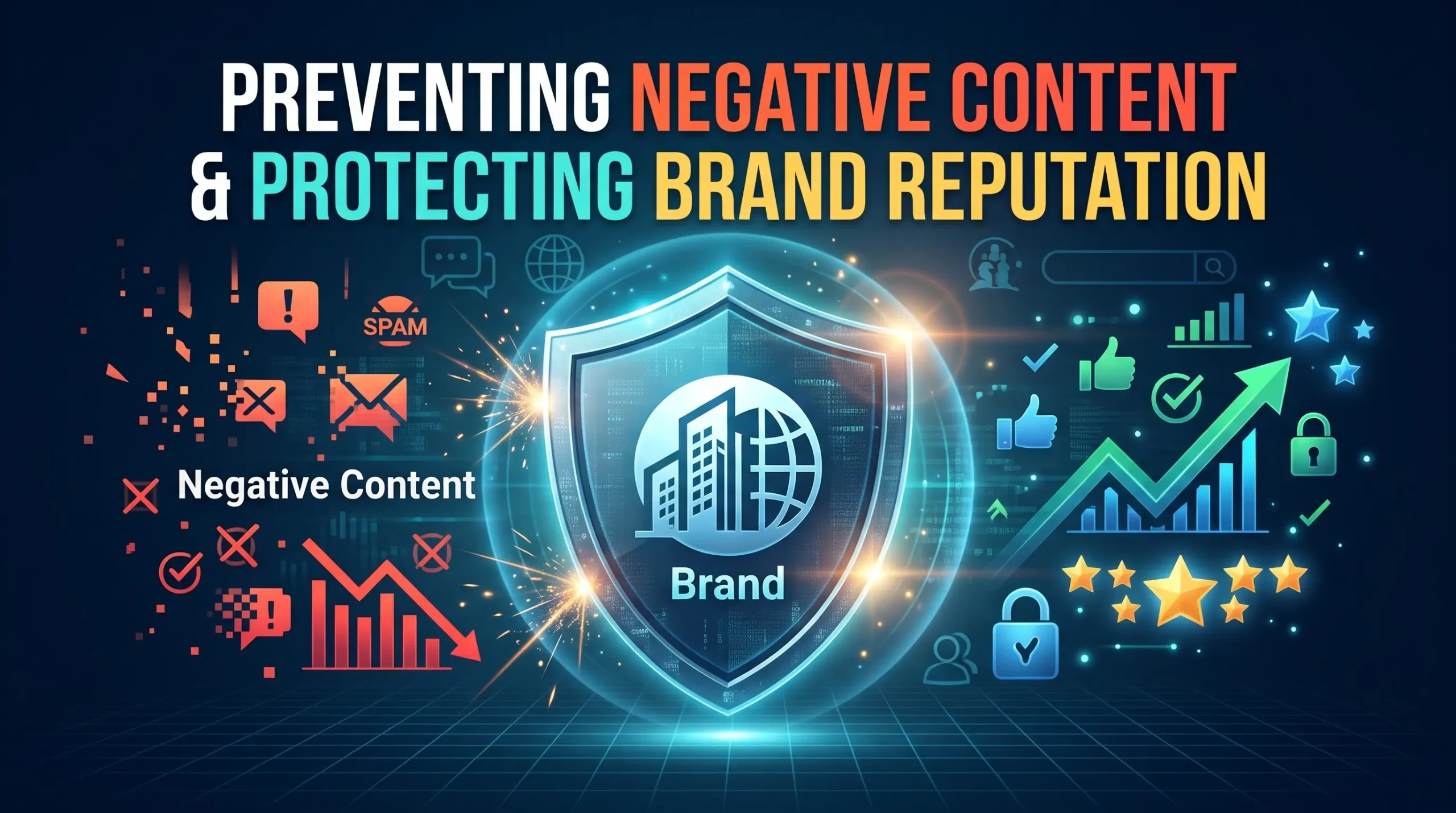 Preventing negative content is an important part of maintaining a strong online reputation. Although businesses cannot avoid every complaint or unfavorable review, they can reduce the likelihood of negative experiences by improving customer service, maintaining product quality, and communicating transparently. A proactive approach helps identify potential problems before they become public reputation issues. By focusing on customer satisfaction and encouraging authentic positive feedback, businesses can build stronger relationships and maintain a trustworthy digital presence.
Improving Customer Experience
Delivering consistent and positive customer experiences is one of the most effective ways to prevent negative online feedback. Businesses should understand customer expectations, identify service gaps, and continuously improve their products and services. Collecting customer feedback through surveys, follow-up emails, and satisfaction assessments can reveal problems that might otherwise remain unnoticed.
Implementing quality control procedures also helps maintain service standards and reduce recurring complaints. When customers experience difficulties, businesses should provide timely support and practical solutions rather than allowing unresolved issues to create frustration. Proactive customer success programs, personalized assistance, and regular communication can further strengthen customer relationships. By addressing concerns early, companies can reduce public complaints and create experiences that encourage long-term loyalty.
Encouraging Positive Customer Reviews
Encouraging satisfied customers to share genuine reviews can help businesses strengthen their online reputation and build credibility with potential buyers. Positive feedback provides social proof, helping prospective customers understand the quality of a company’s products, services, and customer support. Businesses can make the review process easier by sharing direct review links through follow-up emails, receipts, SMS messages, or customer communication channels.
Legal and Ethical Considerations in Negative Content Management
Managing negative online content requires more than reputation protection; businesses must also understand their legal rights and ethical responsibilities. Every response, removal request, and reputation management activity should follow applicable laws, platform policies, and professional standards. Taking the wrong approach can create additional reputational problems, damage customer relationships, or expose a business to legal complications. A responsible strategy focuses on protecting brand credibility while respecting freedom of expression, customer rights, and online transparency.
Understanding Your Legal Rights
Businesses have certain legal options when dealing with harmful online content, but their ability to remove negative information is limited. Platforms such as Google, Facebook, and review websites generally allow customers to share genuine experiences, even when their opinions are unfavorable. However, businesses can report fake reviews, spam, impersonation, harassment, and content that violates platform guidelines.
When online publications contain demonstrably false statements that damage a company’s reputation, businesses may have grounds to explore defamation-related legal remedies. However, legal action requires careful consideration of applicable laws, available evidence, and potential consequences. Aggressive responses can attract additional public attention and make a reputation problem more visible. Consulting a qualified legal professional before taking action can help businesses choose an appropriate response.
Following Ethical Reputation Management Practices
Ethical practices are essential for maintaining long-term customer trust and protecting brand credibility. Businesses should communicate honestly, acknowledge genuine customer concerns, and avoid misleading tactics when responding to negative feedback. Purchasing fake positive reviews, publishing fabricated testimonials, or creating misleading content can damage credibility and potentially violate platform policies or applicable consumer protection laws.
Customer privacy should also remain a priority throughout the reputation management process. Avoid sharing personal information, confidential conversations, or sensitive customer details in public responses. Instead, encourage customers to continue complex discussions through private communication channels.
Measuring the Success of Negative Content Management
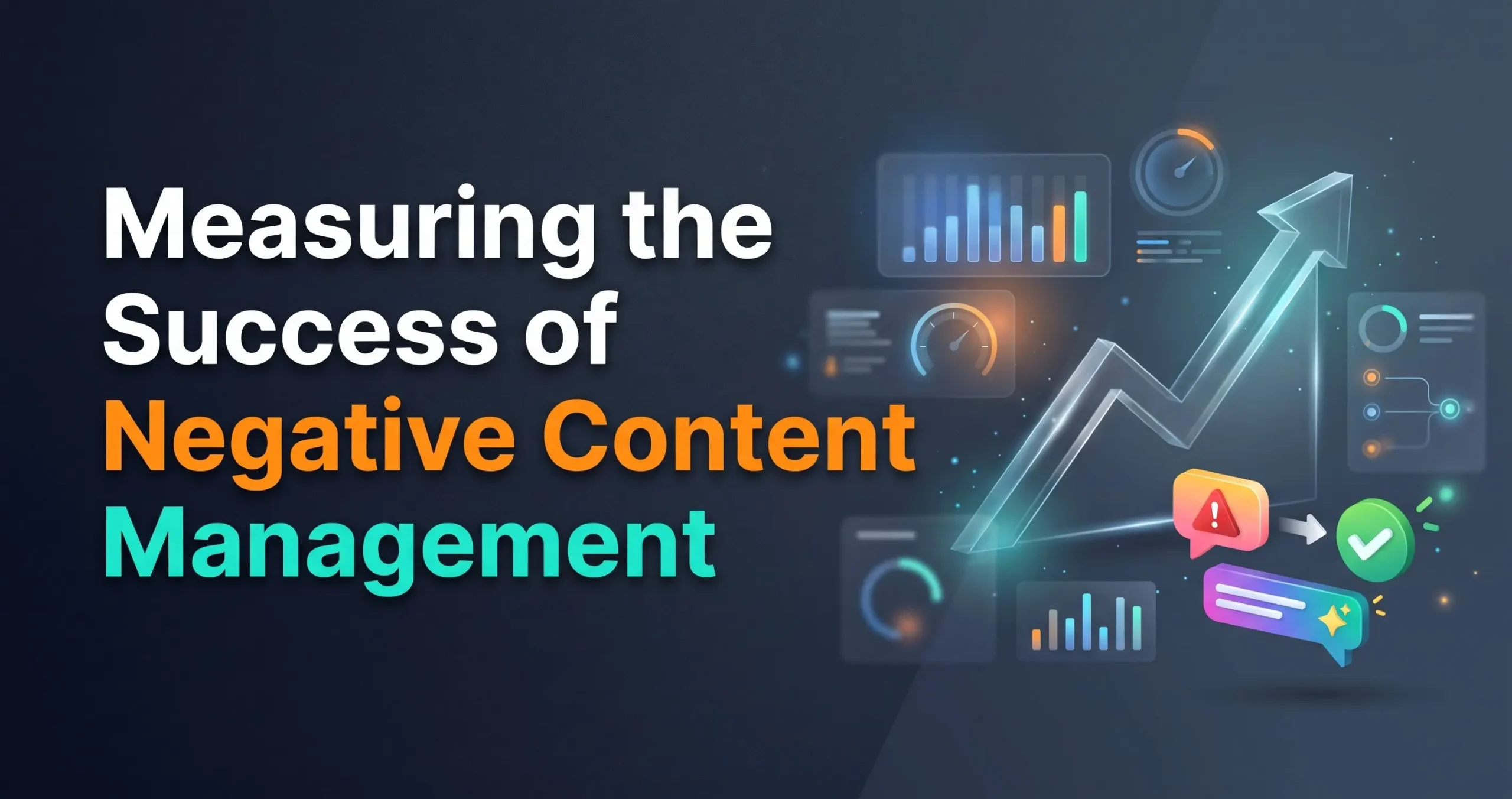 Measuring the effectiveness of negative content management helps businesses understand whether their reputation strategies are producing meaningful results. Regular performance evaluations reveal how customer perceptions are changing, how quickly issues are resolved, and whether online brand sentiment is improving. By tracking relevant metrics and analyzing long-term business outcomes, companies can identify weaknesses, refine their strategies, and maintain a stronger online reputation.
Key Performance Indicators (KPIs)
Key Performance Indicators (KPIs) provide measurable insights into the effectiveness of reputation management activities. Businesses should track sentiment ratios to understand the balance between positive, neutral, and negative brand mentions across digital platforms. Monitoring response times and resolution rates also helps evaluate how efficiently customer complaints and reputation issues are handled.
Additionally, businesses should monitor brand search results, keyword rankings, review ratings, and engagement levels across social media and review platforms. Tracking these metrics over time makes it easier to identify recurring problems, measure improvements, and determine which negative content management strategies deliver the best results.
Evaluating Long-Term Business Impact
The long-term success of reputation management should be measured beyond online reviews and social media engagement. Businesses need to understand how an improved brand reputation influences customer acquisition, conversion rates, customer retention, and overall revenue growth. A stronger online reputation can increase consumer confidence and encourage potential customers to choose a business over its competitors.
Companies can also conduct customer satisfaction surveys, analyze feedback trends, and monitor employee satisfaction to understand broader changes in brand perception. Recruitment performance and partnership opportunities can provide additional insights into how the company’s reputation influences stakeholders. By connecting reputation improvements with measurable business outcomes, organizations can make informed decisions and continuously strengthen their online presence.
Moving Forward with Confidence Through Negative Content Management
Effective negative content management requires continuous monitoring, strategic communication, and a commitment to improving customer experiences. Businesses should begin by tracking online mentions, responding professionally to customer concerns, and addressing issues before they develop into larger reputation problems. As their needs grow, they can introduce advanced monitoring tools, reputation management strategies, and proactive communication plans to maintain a positive digital presence.
No business can maintain a perfect online reputation. Negative reviews, customer complaints, and unfavorable social media discussions are sometimes unavoidable. The real goal is to build a trustworthy brand image by balancing positive content with transparent and professional responses to criticism. By treating negative feedback as an opportunity for improvement, businesses can demonstrate accountability, strengthen customer relationships, and build long-term credibility. A consistent approach to managing negative content helps protect brand reputation, maintain customer confidence, and support sustainable business growth.
Frequently Asked Questions (FAQs)
1. What Is Negative Content Management?
Negative content management is the process of identifying, monitoring, and addressing harmful online content that affects a company’s reputation. SanMo AE helps businesses understand reputation risks and develop strategies to manage negative reviews, social media criticism, and unfavorable online mentions.
2. Why Is Negative Content Management Important for Businesses?
Negative online content can reduce customer trust, damage brand credibility, and influence purchasing decisions. Effective negative content management helps businesses protect their reputation, address customer concerns, and maintain a positive digital presence.
3. How Can Businesses Manage Negative Online Reviews?
Businesses can manage negative reviews by responding professionally, acknowledging customer concerns, investigating complaints, and offering practical solutions. SanMo AE emphasizes proactive reputation management strategies that help businesses maintain customer confidence.
4. Can Negative Content Be Removed From Google Search Results?
Some negative content may qualify for removal if it violates Google’s policies or applicable legal requirements. However, genuine customer reviews and legitimate criticism generally cannot be removed simply because they are unfavorable. Businesses should follow appropriate reporting procedures and focus on improving their online reputation.
5. What Tools Help Monitor Negative Online Content?
Several tools help businesses monitor brand mentions and identify potential reputation risks. Popular options include Google Alerts, Mention, Brand24, and Sprout Social. These platforms help track online discussions, customer feedback, and brand sentiment across different digital channels.
6. How Quickly Should Businesses Respond to Negative Reviews?
Businesses should acknowledge negative reviews as quickly as possible. Responding within 24–48 hours is a practical target for many customer complaints, although urgent social media issues may require faster attention. Timely and professional communication helps demonstrate accountability and customer commitment.
7. How Can Businesses Prevent Negative Online Content?
Businesses can reduce negative feedback by improving customer experiences, maintaining product quality, providing responsive customer support, and resolving complaints early. Encouraging authentic customer reviews and maintaining transparent communication also help strengthen online reputation.
8. What Is the Difference Between Negative Content Management and Online Reputation Management?
Negative content management focuses specifically on identifying, addressing, and minimizing the impact of unfavorable online information. Online reputation management is broader, covering positive brand visibility, customer reviews, brand mentions, public perception, and overall digital credibility.
9. How Does SanMo AE Help Businesses Manage Negative Content?
SanMo AE provides digital reputation management solutions designed to help businesses protect their online presence and strengthen brand credibility. Its approach can include reputation monitoring, strategic content development, negative content management, and online visibility improvement based on individual business requirements.
10. How Can Negative Content Management Improve Business Growth?
Effective negative content management helps businesses maintain customer trust, strengthen brand credibility, and reduce reputation-related risks. By addressing criticism professionally and improving customer experiences, companies can support customer retention, attract potential buyers, and create better opportunities for sustainable business growth.