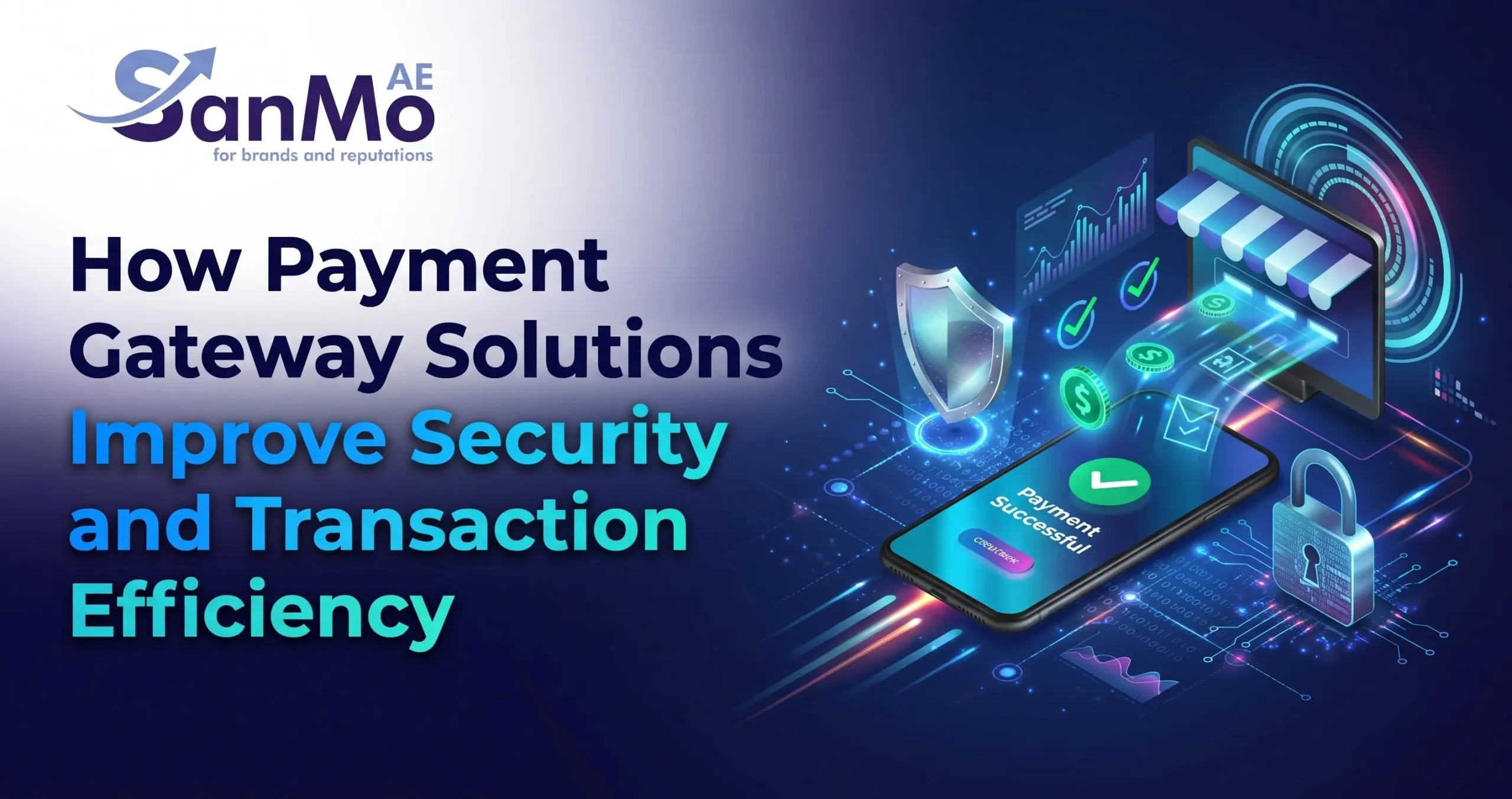
In today’s digital economy, businesses need reliable payment systems to process transactions securely and efficiently. Customers expect fast checkout experiences, flexible payment options, and strong protection for their financial information. This is where Payment Gateway Solutions become essential. They connect businesses, customers, banks, and payment processors to facilitate secure online transactions.
A payment gateway does more than authorize payments. It helps protect sensitive information, detect suspicious activities, reduce transaction errors, and improve the overall purchasing experience. Whether a company operates an eCommerce store, subscription platform, or service-based website, choosing the right payment gateway can significantly influence its operational performance.
Understanding how payment gateways work and which features matter most allows businesses to build a dependable payment infrastructure. With the right technology and security practices, companies can simplify financial operations while creating greater confidence among customers.
Understanding How Payment Gateway Solutions Work
Payment gateways act as intermediaries between customers, merchants, and financial institutions. When a customer enters payment information during checkout, the gateway securely transfers the transaction details to the relevant payment processor for authorization. This process allows businesses to accept digital payments without directly handling complex banking operations.
The Payment Authorization Process
The payment process generally begins when a customer submits their card or digital wallet information. The gateway encrypts the payment details and sends them to the payment processor, which communicates with the customer’s issuing bank.
The bank checks whether the transaction can be approved based on available funds, account status, and security requirements. The authorization response then travels back through the payment network to the merchant’s website. This process usually takes only a few seconds.
Payment Processing and Settlement
Authorization confirms whether a payment can proceed, while settlement transfers the approved funds through the relevant financial institutions. These are separate stages of the transaction lifecycle.
A reliable gateway helps businesses manage both stages more efficiently by providing transaction records, payment notifications, and reporting features. This improves financial visibility and supports better payment processing operations.
How Payment Gateway Solutions Improve Transaction Security
 Security is one of the most important responsibilities of a payment gateway. Online transactions involve sensitive financial information that can become a target for cybercriminals. Modern gateways use multiple security technologies to protect payment details, identify suspicious activities, and reduce unauthorized access.
Data Encryption and Secure Communication
Encryption protects sensitive information by converting readable payment details into a protected format during transmission. When customers submit their payment information, secure communication protocols help prevent unauthorized parties from accessing the data while it moves between systems.
Modern payment platforms commonly use HTTPS and Transport Layer Security (TLS) to protect information exchanged between websites and payment services. This reduces the risk of interception and supports safer digital transactions.
Tokenization for Payment Protection
Payment tokenization replaces sensitive card information with a unique digital token. Instead of storing actual card numbers, businesses can use these tokens for supported payment operations.
This approach reduces exposure to sensitive financial data, particularly when customers make repeat purchases. If a token is compromised, it generally cannot be used in the same way as the original card information. Tokenization also supports convenient recurring payments and saved payment methods when implemented correctly.
PCI DSS Compliance
PCI DSS compliance refers to following the Payment Card Industry Data Security Standard, which establishes security requirements for organizations that store, process, or transmit payment card information.
Using a payment gateway with appropriate PCI DSS controls can help businesses reduce the amount of sensitive card data they handle directly. However, using a compliant provider does not automatically make the merchant compliant. Businesses must understand and meet the requirements applicable to their own payment environment.
Fraud Detection and Prevention
Payment fraud prevention is another important gateway capability. Fraudulent transactions can cause financial losses, chargebacks, operational problems, and damage to customer relationships.
Modern payment gateways may use automated monitoring, transaction rules, device information, and risk-scoring technologies to identify unusual payment patterns. These systems can flag suspicious transactions for additional verification or rejection. Effective fraud detection systems help businesses identify potential threats while allowing legitimate customers to complete their purchases.
Improving Transaction Efficiency Through Payment Gateway Technology
 Transaction efficiency directly affects customer satisfaction and business performance. Slow payment processing, repeated errors, and complicated checkout procedures can discourage customers from completing purchases. Payment gateway technology helps streamline these processes and create a smoother payment experience.
Faster Payment Processing
A well-integrated gateway automates communication between the merchant, payment processor, and financial institutions. This reduces the need for manual payment handling and helps transactions move through the authorization process efficiently.
Faster online payment processing can reduce customer waiting times and improve the checkout experience. Although actual processing speed depends on banks, networks, and payment providers, an efficient gateway helps minimize unnecessary delays.
Multiple Payment Methods
Customers have different payment preferences depending on their location, financial institution, and shopping habits. Supporting multiple payment methods allows businesses to serve a wider audience.
Modern gateways may support credit cards, debit cards, digital wallets, and bank-based payment methods. Some also provide access to region-specific payment options. Offering multiple payment methods makes checkout more convenient and can help reduce abandoned transactions caused by limited payment choices.
Automated Recurring Payments
Subscription-based businesses depend on consistent payment collection. Manually requesting payments from customers every billing cycle can create unnecessary administrative work.
Recurring payment processing allows businesses to collect scheduled payments automatically, subject to customer authorization and provider capabilities. This is particularly useful for subscription services, memberships, software platforms, and other recurring business models. Automation can improve billing consistency, reduce manual tasks, and make revenue collection easier to manage.
Enhancing Customer Experience With Secure Checkout
The checkout experience plays a major role in converting visitors into paying customers. Even when customers are interested in a product, they may abandon their purchase if the payment process appears complicated or unreliable.
Simplified Checkout Experience
A straightforward checkout process helps customers complete purchases without unnecessary steps. Payment gateways can support streamlined payment forms, saved payment methods, and suitable checkout integrations.
A well-designed secure checkout process should request only necessary information and provide clear instructions throughout the transaction. It should also communicate payment status accurately so customers understand whether their purchase was successful.
Mobile Payment Optimization
Mobile commerce continues to influence how customers purchase products and services. Businesses therefore need payment systems that work smoothly across smartphones, tablets, and desktop devices.
Mobile payment solutions allow customers to complete transactions using mobile-friendly interfaces and supported digital wallets. Responsive checkout design, accessible payment fields, and fast-loading pages can improve the overall mobile experience.
Building Customer Trust
Customers are more likely to complete transactions when they feel confident about the payment environment. Recognizable payment options, clear security information, and transparent transaction notifications help create that confidence.
A dependable gateway also reduces uncertainty by providing accurate payment confirmations and transaction records. These features contribute to stronger customer payment security and long-term business credibility.
The Role of Payment Gateway Integration in Business Operations
 Payment gateways must work effectively with a business’s existing website, eCommerce platform, accounting software, and customer management systems. Proper integration helps create a connected payment environment and reduces operational complexity.
eCommerce Platform Integration
eCommerce payment integration connects payment gateways with online stores so customers can purchase products without leaving the expected checkout journey. Many providers offer integrations, plugins, or APIs for popular eCommerce platforms.
Businesses should evaluate compatibility, customization options, transaction reporting, and technical requirements before selecting an integration method. A suitable setup helps maintain consistent payment operations as the store grows.
API-Based Payment Integration
Payment gateway API integration gives developers greater control over how payment functionality operates within a website or application. APIs allow businesses to connect payment services with custom checkout interfaces, internal systems, and automated workflows.
However, custom integration requires careful development, testing, and security management. Businesses should follow the provider’s technical documentation and avoid exposing sensitive payment information through insecure application code.
Accounting and Reporting Automation
Accurate financial records are essential for managing business performance. Payment gateways often provide transaction histories, settlement reports, refunds, and other financial information.
When connected with accounting systems, these features can support automated payment reconciliation and reduce manual recordkeeping. Better reporting also helps businesses identify payment trends, monitor transaction performance, and investigate discrepancies.
Choosing the Right Payment Gateway for Your Business
Selecting a payment gateway requires more than comparing transaction fees. Businesses should consider security, supported payment methods, integration requirements, customer experience, and long-term operational needs.
Security Features and Reliability
Businesses should evaluate encryption, tokenization, authentication features, fraud monitoring, and the provider’s approach to data protection. They should also review service reliability and available technical support. A secure and dependable provider helps minimize payment disruptions and supports consistent transaction management.
Transaction Fees and Pricing Structure
Payment gateway providers may charge transaction fees, setup fees, monthly subscriptions, currency conversion charges, or other service costs. These expenses can affect profitability, particularly for businesses processing a high volume of transactions. Companies should compare the complete pricing structure rather than choosing a provider based only on its advertised transaction rate.
Scalability and Payment Support
A growing business may eventually need international payment acceptance, additional currencies, subscription billing, and more advanced reporting. Selecting a scalable solution helps avoid unnecessary migration as transaction requirements increase. Businesses should also confirm that the gateway supports their target markets, business model, and preferred payment methods.
Common Payment Gateway Challenges and How to Address Them
Although payment gateways simplify digital transactions, businesses may still experience technical and operational challenges. Understanding these issues helps companies maintain reliable payment operations and minimize disruptions.
Transaction Declines and Failed Payments
Transactions may fail because of insufficient funds, incorrect payment details, expired cards, bank restrictions, or technical problems. Businesses should provide clear error messages so customers understand how to resolve payment issues. Suitable retry processes, alternative payment methods, and payment status notifications can help reduce unnecessary customer frustration.
Chargebacks and Disputes
A payment chargeback occurs when a cardholder disputes a transaction through their financial institution. Chargebacks can create additional costs and require businesses to provide supporting transaction information.
Maintaining accurate order records, payment confirmations, refund policies, and customer communication can help businesses respond to disputes more effectively.
Integration and Technical Issues
Poorly configured payment integrations can cause checkout errors, delayed notifications, or inaccurate transaction records. Regular testing, software updates, and monitoring are important for maintaining a reliable payment environment. Businesses should also establish a process for handling service interruptions and communicating payment issues to customers.
Future Trends in Payment Gateway Solutions
 Payment technology continues to evolve as customer expectations and security requirements change. Businesses that understand emerging payment trends can make better decisions about their future payment infrastructure.
Artificial Intelligence in Fraud Prevention
AI-powered fraud detection can analyze transaction patterns and identify unusual activities that may indicate fraudulent behavior. These systems can help payment providers assess risk more dynamically than fixed rules alone.
As artificial intelligence develops, fraud monitoring may become more adaptive. However, businesses should still review security controls and maintain appropriate human oversight for complex cases.
Biometric Payment Authentication
Biometric authentication uses characteristics such as fingerprints or facial recognition to verify a user’s identity. When supported by the device and payment provider, it can make authentication more convenient while adding another layer of protection. Businesses should ensure that biometric features are implemented through secure and properly supported payment systems.
Contactless and Digital Wallet Payments
Contactless payments and digital wallets allow customers to complete supported transactions without manually entering card information every time. These methods can make checkout faster and more convenient. As digital payment adoption grows, businesses may benefit from supporting payment options that match customer preferences in their target markets.
Conclusion
Payment Gateway Solutions play an important role in improving digital payment security, transaction efficiency, and customer experience. Through encryption, tokenization, fraud monitoring, and secure authentication, they help protect sensitive financial information. At the same time, automated processing, multiple payment methods, and system integrations simplify business operations.
Choosing the right gateway requires careful consideration of security standards, pricing, supported payment methods, integration capabilities, and scalability. Businesses that invest in reliable payment infrastructure can reduce operational friction and build greater customer confidence.
Frequently Asked Questions (FAQs)
1. What are Payment Gateway Solutions?
Payment Gateway Solutions are technologies that securely transfer payment information between customers, merchants, payment processors, and financial institutions. They help businesses accept and manage digital transactions.
2. How do payment gateways improve transaction security?
Payment gateways use security technologies such as encryption, tokenization, authentication, and fraud monitoring. These features help protect sensitive financial information and identify suspicious transactions.
3. Are payment gateways safe for online transactions?
Reputable payment gateways use established security measures to protect payment information. However, businesses must also maintain secure websites, follow applicable compliance requirements, and use properly configured integrations.
4. What is payment tokenization?
Payment tokenization replaces sensitive card details with unique digital tokens. This reduces the need to store or expose actual card information during supported payment operations.
5. How do payment gateways reduce transaction delays?
They automate communication between merchants, processors, and banks. This helps streamline payment authorization and reduces unnecessary manual processing.
6. Can a payment gateway support multiple payment methods?
Yes. Depending on the provider, payment gateways can support credit cards, debit cards, digital wallets, and other local or international payment methods.
7. What is PCI DSS compliance in payment processing?
PCI DSS is a security standard designed to protect payment card information. Businesses handling card payments must meet the requirements applicable to their payment environment.
8. What causes payment gateway transaction failures?
Common causes include insufficient funds, incorrect payment details, expired cards, bank restrictions, network interruptions, and technical integration errors.
9. How do I choose the right payment gateway for my business?
Compare security features, transaction fees, supported payment methods, integration options, settlement processes, customer support, and scalability before making a decision.
10. Are payment gateways suitable for small businesses?
Yes. Many payment gateway providers offer solutions suitable for small businesses, allowing them to accept digital payments without developing their own payment processing infrastructure.