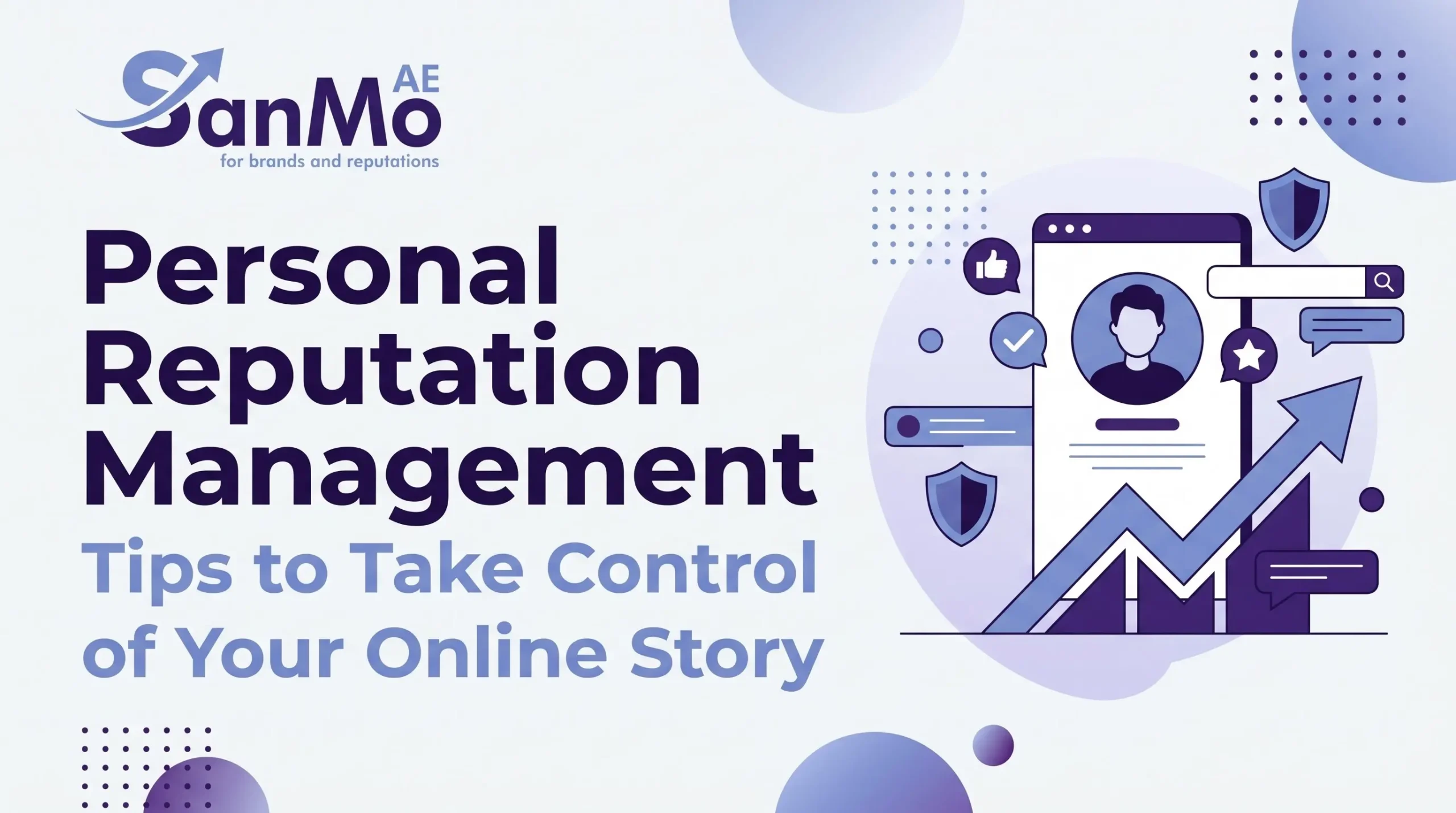
In today’s digital world, your online presence plays an important role in shaping how others perceive you. Whether you are a business professional, entrepreneur, public figure, or job seeker, people often search for your name online before making decisions about working with you. This makes Personal Reputation Management an essential part of maintaining a positive digital identity and building long-term credibility.
Your online reputation is influenced by social media profiles, search engine results, online reviews, news articles, public comments, and professional activities. Even outdated information or misleading content can affect how potential employers, clients, business partners, and customers view you.
Taking control of your online story requires a proactive strategy. You need to monitor your digital footprint, publish valuable content, address negative information, and maintain consistency across online platforms. With professional support from SanMo AE, individuals can develop effective reputation management strategies to strengthen their online presence, protect their credibility, and create a more trustworthy digital image.
Understanding the Importance of Personal Reputation Management
Personal Reputation Management involves monitoring, improving, and protecting how individuals are represented across digital platforms. It focuses on building a positive online identity while addressing inaccurate, outdated, or harmful information that may influence public perception.
Your digital reputation can directly affect professional opportunities, personal relationships, and business growth. Employers may review your online profiles before interviews, while potential clients may research your background before choosing your services. Maintaining a positive digital presence helps create confidence and establish trust.
How Your Online Reputation Influences Opportunities
Your online reputation often creates the first impression before you meet someone personally. Professional achievements, positive media coverage, and informative content can strengthen your credibility. However, negative search results, controversial posts, or misleading information may create unnecessary doubts.
A well-maintained digital identity allows you to present your experience, values, and professional achievements consistently. It also helps ensure that people discover accurate and relevant information when searching for your name.
The Connection Between Digital Identity and Trust
Trust is one of the most important elements of a strong reputation. People are more likely to engage with individuals who demonstrate transparency, professionalism, and consistency online.
Developing a reliable online presence through professional profiles, meaningful content, and authentic communication helps establish credibility. This creates opportunities to build stronger professional relationships and improve your overall digital visibility.
Audit Your Existing Online Presence
 Before improving your reputation, you need to understand what information is already available about you. Conducting a comprehensive online audit helps identify positive content, outdated information, negative search results, and inconsistencies across different platforms.
A proper audit provides a clear starting point for your reputation management strategy. It also helps you determine which areas require immediate attention and where additional content development may improve your digital image.
Search Your Name Across Search Engines
Start by searching your full name on Google and other major search engines. Review the first few pages of results, including images, news articles, social profiles, websites, and public discussions.
Pay attention to information that may create confusion or negatively influence your professional image. This process helps you understand your search engine reputation and identify content that needs improvement.
Review Your Social Media Profiles
Social media platforms contribute significantly to your public image. Review your Facebook, LinkedIn, Instagram, X, and other public profiles to ensure that your information reflects your current professional identity.
Remove outdated details, update profile descriptions, and review publicly visible posts. Consistent profile information strengthens your digital footprint and makes it easier for people to recognize your professional identity.
Build a Strong and Consistent Personal Brand
A strong personal brand helps communicate who you are, what you do, and what makes your professional experience valuable. It allows you to influence how people perceive your expertise and personality across digital channels.
Developing a recognizable personal branding strategy requires consistency in communication, visual presentation, and content creation. When your profiles and published materials share a clear message, your online identity becomes more professional and memorable.
Define Your Professional Identity
Start by identifying your expertise, professional interests, achievements, and long-term goals. These elements should form the foundation of your personal brand.
Your LinkedIn headline, biography, website introduction, and social media descriptions should communicate a consistent message. A clearly defined professional identity helps attract relevant opportunities and improves your professional credibility.
Maintain Consistent Information Across Platforms
Inconsistent names, job titles, biographies, and contact information can confuse people searching for you online. Ensure that your professional details remain accurate across all important platforms.
Use similar profile images, professional descriptions, and relevant keywords wherever appropriate. Maintaining brand consistency strengthens recognition and creates a more trustworthy online experience.
Create Positive and Valuable Online Content
 Publishing useful content is one of the most effective ways to influence your online reputation. Rather than allowing outdated or irrelevant information to define your identity, create content that highlights your knowledge, professional achievements, and positive contributions.
A consistent content creation strategy helps improve search visibility and gives people meaningful information about your experience. Over time, valuable content can strengthen your authority and support a more positive digital presence.
Publish Industry-Related Articles and Insights
Share informative articles, professional opinions, educational resources, and practical insights related to your expertise. Publishing on your personal website or established industry platforms can help demonstrate your knowledge.
Well-optimized articles can also improve your personal SEO strategy by helping relevant content appear in search results for your name and professional interests.
Share Professional Achievements and Success Stories
Your achievements provide valuable evidence of your experience and capabilities. Share completed projects, certifications, professional milestones, speaking engagements, and meaningful collaborations.
Present these accomplishments honestly and professionally. Authentic success stories improve your online credibility and help audiences understand the value you bring to your industry.
Monitor Your Online Reputation Regularly
Reputation management is an ongoing process rather than a one-time activity. New reviews, articles, social media discussions, and search results can influence your digital identity over time.
Regular monitoring helps you identify potential problems before they become larger issues. A structured online reputation monitoring process also allows you to understand how public conversations and search results change.
Use Reputation Monitoring Tools
Monitoring tools can help track mentions of your name across websites, blogs, news platforms, and social media channels. Google Alerts is one accessible option for receiving notifications about newly indexed content containing selected keywords.
You can also use professional brand monitoring tools to identify relevant mentions, track discussions, and evaluate changes in your online visibility. These insights support faster and more informed reputation management decisions.
Track Search Results and Public Mentions
Review your name-related search results regularly to understand what information people are discovering. Monitor new articles, public comments, interviews, and other mentions that may affect your reputation.
Keeping records of important changes helps you measure progress and identify recurring concerns. Consistent reputation tracking makes it easier to maintain control over your online story.
Handle Negative Content and Online Information Carefully
 Negative content can affect professional opportunities and public perception, especially when it contains misleading claims, outdated details, or incomplete information. However, responding emotionally or attempting to remove every criticism can make the situation worse.
An effective reputation strategy focuses on understanding the issue, verifying the information, and choosing an appropriate response. Professional negative content management helps individuals address damaging information while maintaining transparency and credibility.
Respond Professionally to Negative Comments
When someone publishes criticism or negative feedback, take time to understand the situation before responding. Avoid aggressive language, personal attacks, or emotional arguments that could attract additional attention.
If the criticism is legitimate, acknowledge the concern and explain how you intend to address it. A calm and respectful response demonstrates professional online communication and shows that you value accountability.
Address False or Misleading Information
Incorrect information can spread across websites and social platforms, potentially damaging your digital identity. Identify the original source, collect supporting evidence, and contact the relevant platform or publisher when appropriate.
Depending on the circumstances, you may request a correction, removal, or updated information. Professional online content removal services can help evaluate eligible removal options, although removal is never guaranteed.
Strengthen Your Search Engine Visibility
Search engine visibility plays an important role in shaping your online reputation. When people search for your name, relevant and trustworthy content should help them understand your professional background.
A strategic search engine optimization (SEO) approach can improve the visibility of positive, accurate, and useful information. The objective is to build a stronger digital presence through valuable content rather than manipulating search results.
Optimize Your Personal Website
A personal website gives you greater control over how your professional identity is presented online. Include your biography, professional experience, achievements, portfolio, articles, and contact information.
Optimize important pages with your name and relevant professional keywords. A well-structured website supports personal brand SEO and creates a reliable destination for people researching your background.
Build High-Quality Backlinks
Publishing expert contributions on relevant websites can help strengthen your digital authority. Guest articles, interviews, professional publications, and industry collaborations can generate valuable references to your personal website.
Focus on relevant and trustworthy sources instead of acquiring large numbers of low-quality links. Ethical link building supports sustainable search visibility and strengthens your online credibility.
Protect Your Digital Identity and Personal Information
 Protecting your reputation also means securing the personal information associated with your online accounts. Unauthorized access, impersonation, identity theft, and data exposure can create serious problems for your digital identity.
A strong digital reputation protection strategy combines account security, privacy management, and responsible online communication. Taking preventive measures reduces unnecessary risks and helps maintain greater control over your personal information.
Improve Account Security and Privacy Settings
Use strong, unique passwords and enable two-factor authentication on important accounts. Regularly review connected applications, login activity, and account recovery settings.
Adjust privacy settings to control which personal information is publicly accessible. These practices strengthen online identity protection and reduce the possibility of unauthorized account activity.
Watch for Impersonation and Fake Profiles
Fake social media accounts can misuse your name, photographs, or professional information. Monitor major platforms for suspicious profiles and report impersonation through their official reporting systems.
If someone misuses your identity, preserve relevant evidence and follow the appropriate platform or legal reporting procedures. Early action helps reduce confusion and protects your personal digital security.
Know When to Seek Professional Reputation Management Services
Managing your online reputation independently can work well when your digital presence is relatively simple. However, complex situations involving negative search results, misleading publications, impersonation, or widespread criticism may require professional assistance.
Experienced specialists can evaluate your digital footprint, identify reputation risks, and develop a structured improvement strategy. Professional reputation management services also help individuals understand which actions are realistic and legally appropriate.
How SanMo AE Supports Personal Reputation Management
SanMo AE provides digital marketing and online reputation management expertise to help individuals and organizations strengthen their digital presence. A strategic approach can include online reputation monitoring, content development, search visibility improvements, and reputation recovery planning.
By combining ethical SEO practices with consistent content strategies, SanMo AE helps clients work toward a more credible and professional online identity. The focus remains on building trust through accurate information, valuable content, and responsible digital communication.
Choose an Ethical and Transparent Reputation Strategy
Before selecting a service provider, evaluate its experience, communication process, reporting methods, and approach to handling negative content.
Avoid providers promising guaranteed removal of all negative search results or immediate reputation recovery. A reliable reputation management strategy should prioritize transparency, realistic expectations, ethical SEO, and sustainable improvements.
Conclusion
Taking control of your online story requires consistent effort, strategic planning, and responsible digital communication. From auditing search results and strengthening personal branding to monitoring online mentions and addressing negative content, every action contributes to how others perceive your digital identity.
Personal Reputation Management is not simply about removing negative information. It is about creating an accurate, credible, and professional online presence that reflects your real experience and values. With the right strategy and professional support from SanMo AE, you can strengthen your digital visibility, protect your credibility, and build a positive online reputation that supports long-term personal and professional growth.
Frequently Asked Questions (FAQs)
1. What Is Personal Reputation Management?
Personal Reputation Management is the process of monitoring, improving, and protecting an individual’s online image. It involves managing search results, social media profiles, online mentions, and published content to maintain a positive digital identity.
2. Why Is Personal Reputation Management Important?
It is important because employers, clients, business partners, and other individuals frequently research people online before making decisions. A positive reputation helps establish credibility, build trust, and create better professional opportunities.
3. How Can I Check My Online Reputation?
Search your full name on Google and other search engines. Review social media profiles, news articles, websites, public discussions, and images to understand what information people can discover about you.
4. How Can I Improve My Personal Online Reputation?
Publish valuable content, maintain professional social media profiles, update outdated information, respond appropriately to criticism, and monitor your online mentions regularly. Consistency is essential for long-term improvement.
5. How Long Does Reputation Management Take?
The timeline depends on the complexity of your online presence and the type of reputation challenges involved. Some improvements may become visible within weeks, while competitive search results and complex negative content issues can require several months.
6. Can Negative Search Results Be Removed?
Some negative search results may qualify for removal when they violate platform policies, privacy laws, or other applicable requirements. However, legitimate public information cannot always be removed. Correction, removal requests, and positive content development may be appropriate alternatives.
7. What Are the Best Tools for Online Reputation Monitoring?
Google Alerts is a useful starting point for tracking online mentions. Other professional monitoring platforms can provide additional features for tracking social media conversations, website mentions, and changes in digital visibility.
8. Does Social Media Affect Personal Reputation?
Yes. Social media posts, comments, profile information, and public interactions can influence how people perceive your personality and professionalism. Maintaining accurate profiles and communicating responsibly helps protect your online image.
9. Can SEO Help Improve Personal Reputation?
Yes. Ethical SEO helps improve the visibility of relevant and positive content, such as personal websites, professional biographies, interviews, and industry articles. It can help create a more accurate representation of your professional identity in search results.
10. How Can SanMo AE Help With Personal Reputation Management?
SanMo AE can support reputation improvement through digital marketing strategies, online reputation monitoring, content optimization, and ethical SEO practices. These services help individuals strengthen their online visibility and work toward maintaining a trustworthy digital presence.