Technology continues to transform how businesses operate, deliver services, and interact with customers. Traditional software solutions often require significant installation costs, ongoing maintenance, and complex infrastructure. As companies look for more flexible alternatives, Software as a Service (SaaS) has become an increasingly popular business model. Professional SaaS Development Services help organizations create cloud-based applications that are accessible, scalable, and easier to manage.
SaaS solutions allow businesses to deliver software through the internet without requiring customers to install and maintain applications locally. This approach supports flexible subscriptions, centralized updates, remote accessibility, and improved operational efficiency. From startups developing their first digital products to established enterprises modernizing their technology infrastructure, SaaS development creates opportunities for innovation and sustainable growth.
However, building a successful SaaS product requires more than writing software code. Businesses need thoughtful planning, reliable architecture, user-friendly interfaces, strong security, and continuous performance improvements. SanMo AE recognizes the importance of technology-driven business solutions and the role of digital innovation in modern markets. Understanding SaaS development can help organizations make informed technology decisions and build software products that support their long-term objectives.
Understanding SaaS Development Services
SaaS development involves designing, building, deploying, and maintaining software applications that operate through cloud infrastructure. Instead of purchasing traditional software licenses and installing applications on individual computers, users access SaaS products through web browsers or dedicated applications.
Professional development services cover the complete software lifecycle, from initial research and architecture planning to deployment, maintenance, and future enhancements. This approach allows businesses to develop solutions that meet specific operational requirements while supporting changing customer demands.
How the SaaS Business Model Works
The SaaS business model typically provides customers with access to software through recurring subscription payments. Depending on the product, businesses may offer monthly, annual, or usage-based pricing structures.
Cloud-based applications allow providers to manage updates, infrastructure, and software improvements centrally. This reduces the maintenance responsibilities placed on individual customers and makes it easier to introduce new features.
Key Components of SaaS Applications
A successful SaaS application combines a reliable backend, responsive frontend, database management, cloud hosting, and security infrastructure. These components work together to deliver consistent performance and accessible software experiences.
A well-designed cloud-based software solution also supports multiple users, centralized administration, automated updates, and integration with external business systems. Proper architecture ensures that the application can accommodate increasing usage without compromising reliability.
Why Businesses Need SaaS Development Services
 Businesses increasingly depend on digital tools to improve productivity, manage information, and deliver better customer experiences. SaaS development provides a flexible approach to meeting these requirements without building and maintaining extensive on-premises infrastructure. It also helps organizations introduce new services, improve operational workflows, and respond more effectively to changing market conditions.
Reducing Infrastructure and Maintenance Costs
Traditional software often requires businesses to purchase hardware, manage servers, and maintain individual installations. These responsibilities can increase operational expenses and create additional technical challenges.
SaaS applications operate through centralized cloud infrastructure, allowing providers to manage hosting, updates, and maintenance. This approach can reduce infrastructure requirements and support more predictable software development costs.
Improving Accessibility and Flexibility
Modern businesses frequently operate across different locations and time zones. SaaS applications allow authorized users to access software through internet-connected devices, making collaboration and remote operations more convenient.
This remote software accessibility helps employees work with centralized information while maintaining consistent workflows. It also supports businesses that need flexible access for customers, partners, and distributed teams.
Supporting Faster Business Innovation
Market conditions and customer expectations can change quickly. SaaS platforms allow developers to introduce improvements, update features, and resolve technical issues through centralized software management.
This flexibility supports digital transformation, helping businesses modernize their operations and introduce new technology-driven services without replacing their entire infrastructure.
Building Scalable SaaS Application Architecture
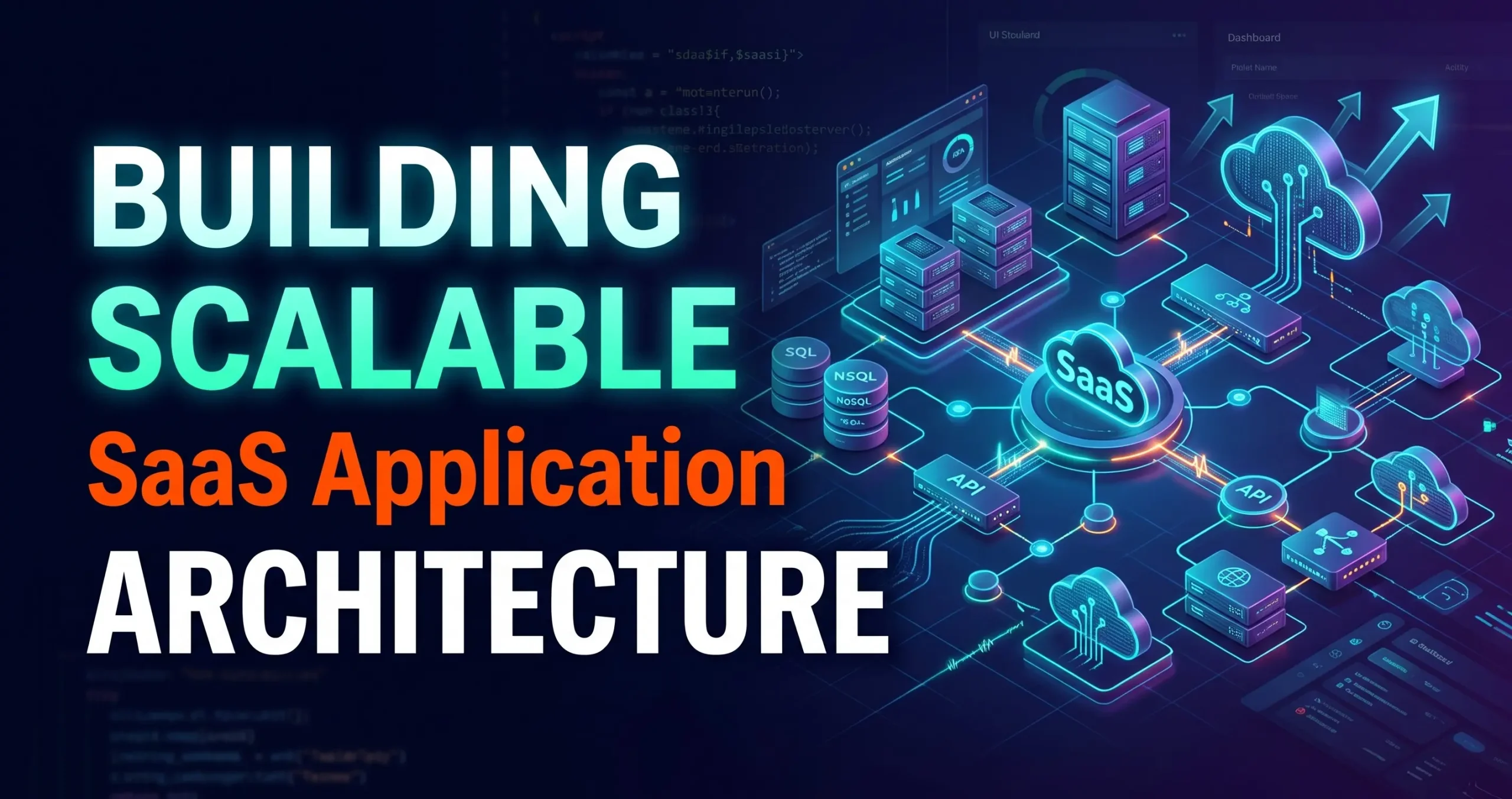 Scalability is one of the most important considerations when developing a SaaS product. An application that performs well with a small customer base may experience performance problems when user activity increases. Proper architecture planning helps businesses prepare for growth while maintaining application stability, responsiveness, and efficient resource utilization.
Multi-Tenant Architecture
Multi-tenant architecture allows multiple customers to use the same application infrastructure while keeping their data and account information logically separated. This approach can reduce operational complexity and improve resource efficiency.
Developers must implement appropriate access controls, database structures, and tenant-level security measures. A carefully designed multi-tenant system supports easier maintenance and helps SaaS providers serve a growing customer base.
Microservices and API Integration
Microservices architecture divides an application into smaller independent services that handle specific functions. This structure allows development teams to update individual components without necessarily changing the entire application.
API integration also helps SaaS products connect with payment gateways, CRM platforms, analytics tools, and other external systems. These connections improve functionality and allow businesses to create more connected digital workflows.
Essential Features of a Successful SaaS Product
A competitive SaaS product should provide more than basic functionality. It needs to deliver a smooth user experience, reliable performance, strong security, and features that address real customer requirements. Identifying the right capabilities during development helps businesses create software that customers can use efficiently and continue using as their needs evolve.
User-Friendly Interface and Experience
A well-designed interface makes software easier to understand and navigate. Customers should be able to access important features, complete tasks, and manage their accounts without unnecessary complexity.
UI/UX design plays an important role in SaaS development because it influences customer satisfaction and product adoption. Responsive layouts, intuitive navigation, and consistent design elements help create a positive experience across desktop and mobile devices.
Subscription and Payment Management
Subscription management is essential for SaaS businesses that generate revenue through recurring payments. The application should support flexible subscription plans, billing cycles, payment processing, and account upgrades.
Subscription billing systems help automate recurring transactions and reduce manual administrative work. Integrating secure payment gateways also makes it easier for customers to purchase services and manage their subscriptions.
Data Security and User Authentication
SaaS platforms often process sensitive customer information, making security a critical development requirement. Applications should include appropriate authentication, authorization, encryption, and access management mechanisms.
Data encryption, multi-factor authentication, and role-based access control help protect user accounts and business information. Regular security assessments and software updates further reduce potential vulnerabilities and strengthen customer confidence.
The SaaS Development Process
Developing a successful SaaS application requires a structured process that connects business objectives with technical implementation. Each development stage contributes to the product’s usability, reliability, and scalability. A well-organized workflow also helps businesses manage project requirements, identify potential challenges, and maintain quality throughout the software development lifecycle.
Planning and Requirement Analysis
The first stage involves understanding the business model, target audience, product objectives, and technical requirements. Developers evaluate customer needs and determine which features should be included in the initial product.
Detailed software requirement analysis helps establish project priorities, define the development scope, and select suitable technologies. This stage also helps identify potential challenges before development begins.
UI/UX Design and Prototyping
After defining the requirements, designers create application layouts, user journeys, and interactive prototypes. These designs demonstrate how customers will interact with different features and complete important tasks.
SaaS product design focuses on usability, consistency, and accessibility. Reviewing prototypes before development allows businesses to identify design problems early and make improvements without extensive redevelopment.
Development and Testing
The development stage transforms approved designs and requirements into a functional application. Frontend developers build the user interface, while backend developers create application logic, database connections, and server-side functionality.
Agile software development supports an iterative workflow where teams develop, review, and improve features through smaller development cycles. Meanwhile, software quality assurance helps identify bugs, performance issues, and security weaknesses before deployment.
Deployment and Ongoing Maintenance
Once the application passes testing, it can be deployed to the selected cloud infrastructure. Deployment involves configuring servers, databases, security settings, and monitoring systems to ensure the software operates reliably.
Ongoing SaaS application maintenance includes bug fixes, security updates, performance optimization, and feature improvements. Continuous maintenance helps businesses maintain service quality and respond to changing customer expectations.
Choosing the Right Technology Stack for SaaS Development
 Technology selection directly influences application performance, development flexibility, security, and future scalability. Businesses should choose technologies according to their product requirements rather than following trends without evaluating practical needs. A suitable technology stack provides a stable foundation for development and helps reduce unnecessary technical complexity as the platform grows.
Frontend and Backend Technologies
Frontend technologies determine how users interact with an application, while backend technologies manage business logic, data processing, and server communication. Frameworks such as React, Angular, and Vue.js are commonly used for frontend development.
Backend solutions may use Node.js, Python, PHP, or Java depending on project requirements. Selecting appropriate SaaS technology stack components helps developers build applications that balance performance, flexibility, and maintainability.
Cloud Infrastructure and Database Management
Cloud infrastructure provides the computing resources required to host and operate SaaS applications. Platforms such as Amazon Web Services, Microsoft Azure, and Google Cloud offer services for application hosting, storage, networking, and infrastructure management.
Reliable cloud computing solutions help businesses adjust resources according to application demand. Proper database management also supports efficient information storage, retrieval, backup, and recovery.
Challenges in SaaS Development and How to Overcome Them
Although SaaS offers significant business opportunities, developing and maintaining a successful platform involves several technical and operational challenges. Businesses must consider security, application performance, integration requirements, and customer expectations throughout the development process. Addressing these challenges early helps reduce operational risks and supports long-term product stability.
Managing Data Security and Privacy
Protecting customer information becomes increasingly important as SaaS platforms handle larger amounts of business and personal data. Weak access controls, outdated software, and insufficient security practices can expose applications to potential threats.
Following cybersecurity best practices, conducting regular vulnerability assessments, and maintaining secure backup systems can help reduce these risks. Businesses should also consider applicable data protection requirements when designing their applications.
Maintaining Application Performance
Increasing customer activity can create additional demands on application servers, databases, and network resources. Without proper optimization, users may experience slow loading times, interruptions, or inconsistent performance.
Using performance optimization, load testing, caching, and infrastructure monitoring helps developers identify bottlenecks. Scalable cloud resources also allow applications to accommodate changing workloads more efficiently.
Ensuring Seamless Third-Party Integration
Many businesses rely on external tools for accounting, communication, customer management, and payment processing. Connecting these systems can become challenging when APIs have different requirements or compatibility limitations.
Proper third-party software integration helps applications exchange information reliably. Developers should evaluate API documentation, authentication requirements, data formats, and integration security before implementation.
How SaaS Development Services Support Long-Term Business Growth
SaaS development can create opportunities for businesses to introduce new revenue models, reach wider audiences, and improve operational efficiency. A well-developed platform can accommodate additional customers, support new features, and adapt to changing market requirements without requiring a complete rebuild.
With scalable software solutions, organizations can expand their digital services while managing resources more efficiently. Subscription-based products can also generate recurring revenue when supported by strong customer experiences and effective retention strategies.
For businesses investing in digital innovation, SaaS provides a foundation for developing flexible products and modernizing existing operations. Combining appropriate technology, reliable infrastructure, and continuous improvement helps create software that delivers long-term value.
How SanMo AE Supports Technology-Driven Business Solutions
 Choosing the right digital strategy is important for organizations looking to improve their technology capabilities and strengthen their competitive position. SanMo AE focuses on digital marketing and technology-related business solutions that help organizations build a stronger digital presence and explore opportunities for growth.
Businesses considering SaaS development should prioritize technical planning, customer requirements, application security, and long-term scalability. A well-defined digital strategy can connect software innovation with broader business objectives. Through its digital services and technology-focused approach, SanMo AE aims to help businesses strengthen their online presence and develop effective digital strategies.
Conclusion
SaaS Development Services provide businesses with opportunities to build flexible, scalable, and accessible software solutions. From cloud infrastructure and multi-tenant architecture to subscription management and application security, every development component contributes to the product’s long-term success.
A structured development process helps organizations create applications that meet customer expectations while supporting future expansion. By prioritizing user experience, reliable technology, cybersecurity, and continuous maintenance, businesses can build competitive SaaS products and establish sustainable digital growth. As technology continues to evolve, investing in scalable software solutions can help organizations improve efficiency, introduce innovative services, and adapt to changing market demands.
Frequently Asked Questions (FAQs)
1. What are SaaS Development Services?
SaaS Development Services involve designing, developing, deploying, and maintaining cloud-based software applications. These solutions allow users to access software through the internet without installing or managing traditional software infrastructure.
2. Why is SaaS development important for businesses?
SaaS development helps businesses reduce infrastructure costs, improve accessibility, automate operations, and introduce flexible software solutions. It also supports business expansion through scalable cloud-based applications.
3. How does SaaS software generate revenue?
Most SaaS businesses generate revenue through recurring subscription models. Customers pay monthly or annually to access software features, although some platforms also offer usage-based pricing and customized enterprise plans.
4. What technologies are used in SaaS development?
Common technologies include React, Angular, Vue.js, Node.js, Python, PHP, Java, and cloud platforms such as AWS, Microsoft Azure, and Google Cloud.
5. How long does it take to develop a SaaS application?
Development time depends on application complexity, required features, integrations, and technical architecture. A basic minimum viable product (MVP) may take several weeks or months, while complex enterprise platforms generally require longer development cycles.
6. What is multi-tenant architecture in SaaS?
Multi-tenant architecture allows multiple customers to use the same software infrastructure while maintaining separate data access and account environments. It helps improve resource efficiency and simplifies application management.
7. How can SaaS applications maintain data security?
SaaS applications can improve security through data encryption, multi-factor authentication, role-based access control, regular security testing, secure backups, and continuous software updates.
8. What is the difference between SaaS and traditional software?
Traditional software typically requires local installation and individual maintenance. SaaS applications are hosted in the cloud and accessed through the internet, allowing providers to manage updates and infrastructure centrally.
9. Can SaaS applications scale as a business grows?
Yes. Properly designed SaaS applications can scale through cloud infrastructure, optimized databases, and scalable application architecture. These capabilities help accommodate increasing users, transactions, and workloads.
10. How can businesses benefit from professional SaaS development?
Professional SaaS development helps businesses build customized software, improve operational efficiency, enhance security, and deliver better customer experiences. It also creates opportunities for recurring revenue and long-term digital growth.