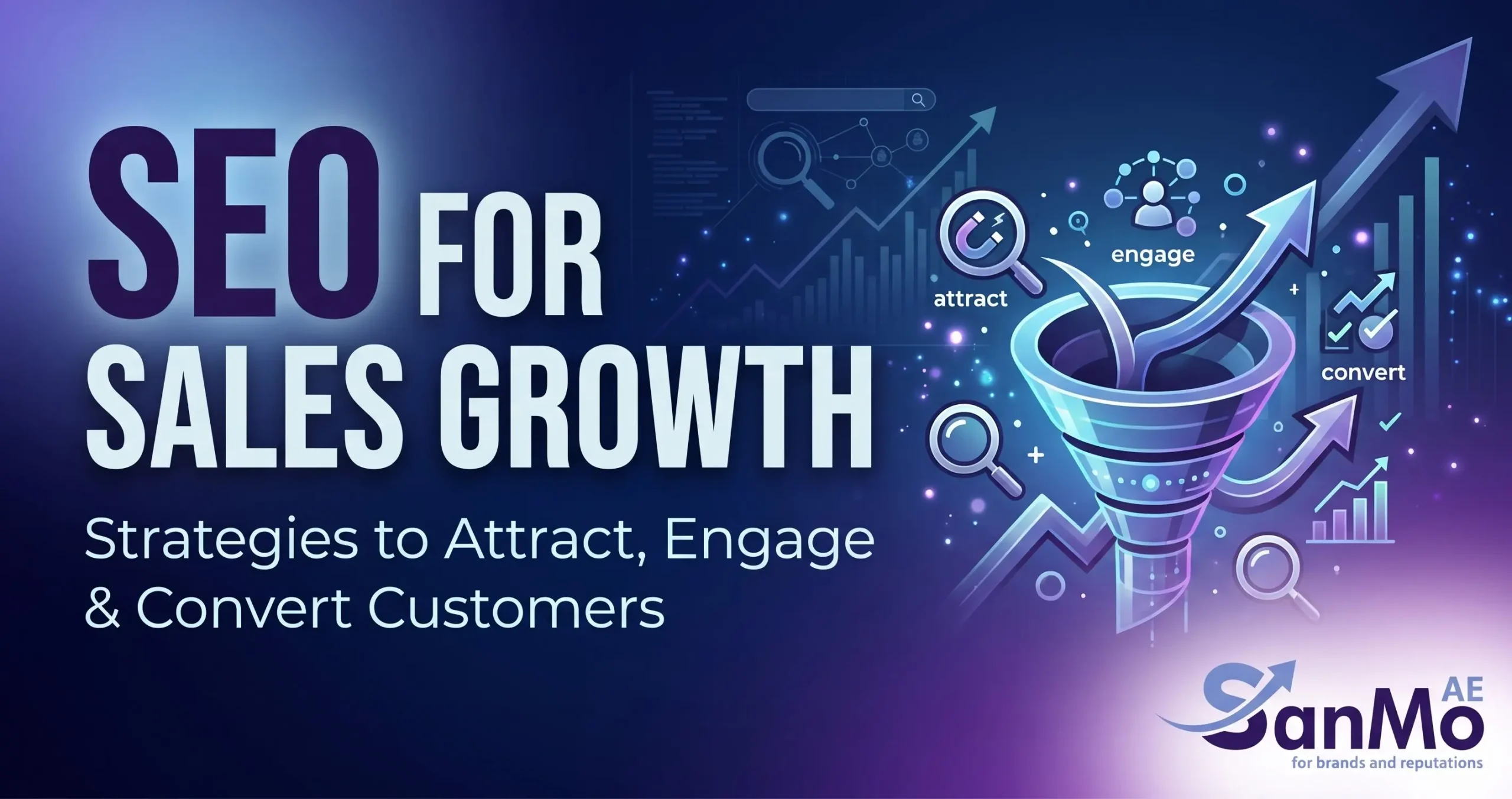
Search engine optimization isn’t just about ranking higher on Google—it’s about turning visibility into revenue. When done right, SEO becomes a powerful sales engine that consistently drives qualified leads to your business.
Many businesses invest in SEO but struggle to connect their optimization efforts to actual sales results. The key lies in understanding that effective SEO goes beyond traffic generation. It’s about attracting the right visitors at the right stage of their buying journey and guiding them toward conversion. This guide will show you how to transform your SEO strategy from a traffic-focused approach into a revenue-generating system. You’ll learn proven tactics to attract high-intent customers, optimize for conversions, and measure the sales impact of your SEO efforts.
Understanding the SEO-to-Sales Connection
SEO drives sales through a multi-step process that begins with search intent. When someone searches for “best project management software” versus “what is project management,” they’re at different stages of the buying journey. The first searcher is closer to making a purchase decision.
High-converting SEO strategies focus on capturing users throughout this journey. By targeting keywords that align with different buying stages, you create multiple touchpoints that guide prospects toward conversion.
The sales impact of SEO compounds over time. Unlike paid advertising, which stops generating results when you stop paying, SEO continues to drive qualified traffic months and years after optimization. This creates a snowball effect where improved rankings lead to more visibility, more traffic, and ultimately more sales.
Targeting High-Intent Keywords for Sales
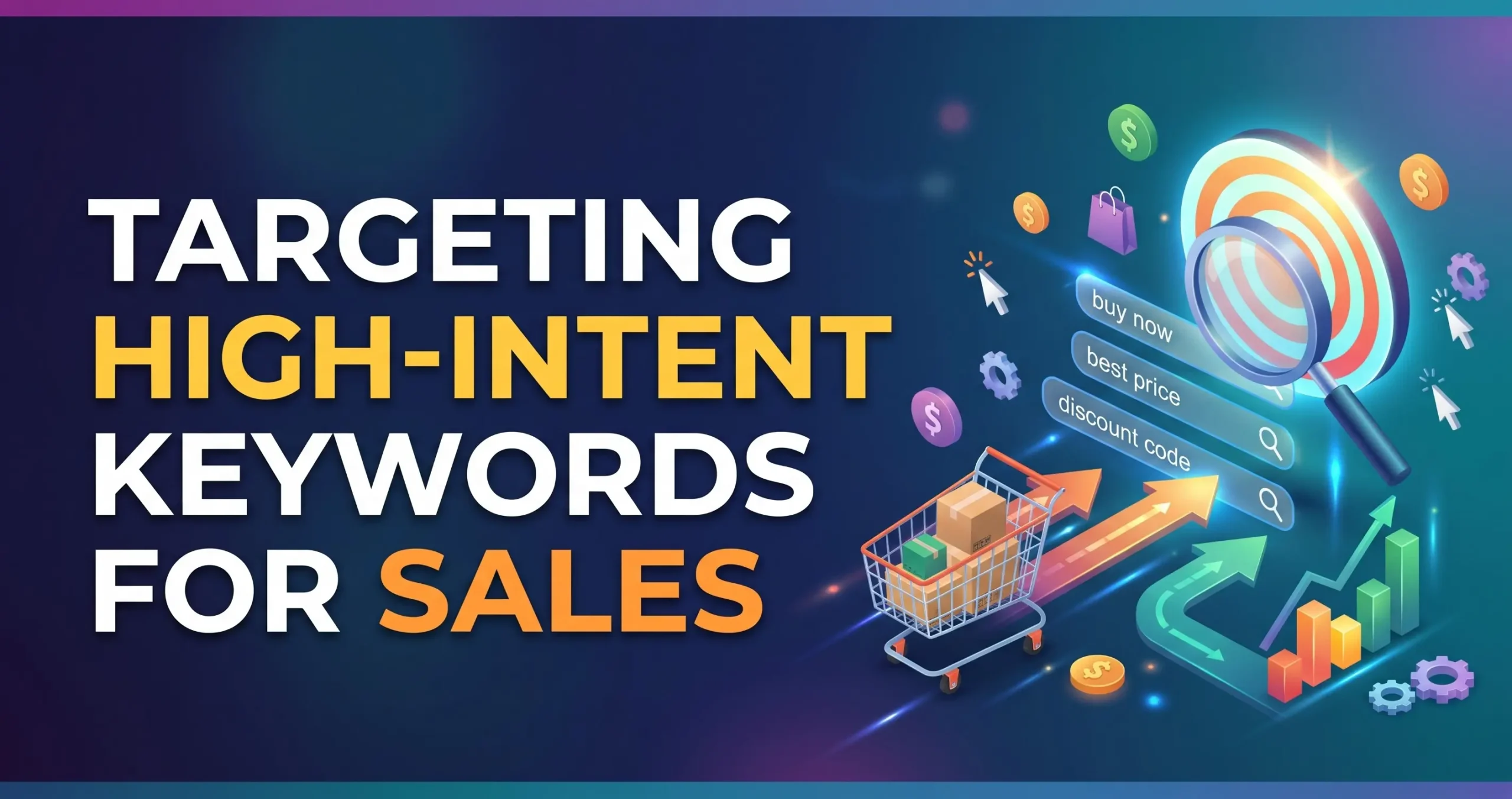 The foundation of sales-driven SEO lies in selecting the right keywords that attract potential customers who are ready to make purchasing decisions. High-intent keywords indicate that searchers want to buy a product, compare available options, explore pricing, or hire a service provider. Instead of focusing only on keywords with high search volume, businesses should prioritize search terms that align with their products, services, and customer needs.
Commercial Intent Keywords
These keywords indicate buying intent and typically include terms like:
- “best [product category]”
- “[product] review”
- “[product] vs [competitor]”
- “buy [product] online”
- “[product] pricing”
Local Intent Keywords
For businesses serving local markets, location-based keywords capture high-intent local searches:
- “[service] near me”
- “[product] in [city]”
- “[business type] [location]”
Long-Tail Keywords
Longer, more specific search phrases often convert better because they capture users with specific needs:
- “Small business accounting software for restaurants”
- “waterproof hiking boots for winter”
- “SEO services for e-commerce websites”
Keyword Research for Sales
Start by analyzing your current sales data to identify patterns. What products or services generate the most revenue? What questions do customers ask before buying? Use these insights to guide your keyword research.
Tools like Google Keyword Planner, SEMrush, or Ahrefs can help you discover keywords with commercial intent. Look for keywords with decent search volume but manageable competition levels.
Creating Sales-Focused Content
Content that drives sales goes beyond attracting website visitors; it focuses on addressing customer needs, answering purchasing questions, and encouraging meaningful actions. Sales-focused content should align with different stages of the buyer’s journey, from initial research to final purchase decisions. Businesses can create detailed service pages, product descriptions, comparison articles, buying guides, and customer success stories to demonstrate value and build trust
Product-Focused Content
Create comprehensive product pages that go beyond basic descriptions. Include:
- Detailed specifications and features
- Customer reviews and testimonials
- Comparison charts with competitors
- Clear pricing information
- Multiple high-quality images or videos
Problem-Solution Content
Create content that identifies your target audience’s common challenges and presents your products or services as practical solutions. Focus on understanding customer pain points, answering their questions, and explaining how your offerings can solve specific problems. Use informative blog posts, detailed guides, and real-world examples to demonstrate value and build trust before asking customers to make a purchase.
Buying Guide Content
Create detailed buying guides that help customers make informed decisions. These guides should:
- Explain key features to consider
- Compare different options
- Provide clear recommendations
- Include calls-to-action that guide readers to your products
Case Studies and Success Stories
Share real examples of how your products or services have helped customers achieve their goals. Case studies provide social proof and help prospects visualize the benefits of choosing your business.
Optimizing for Local Search and Sales
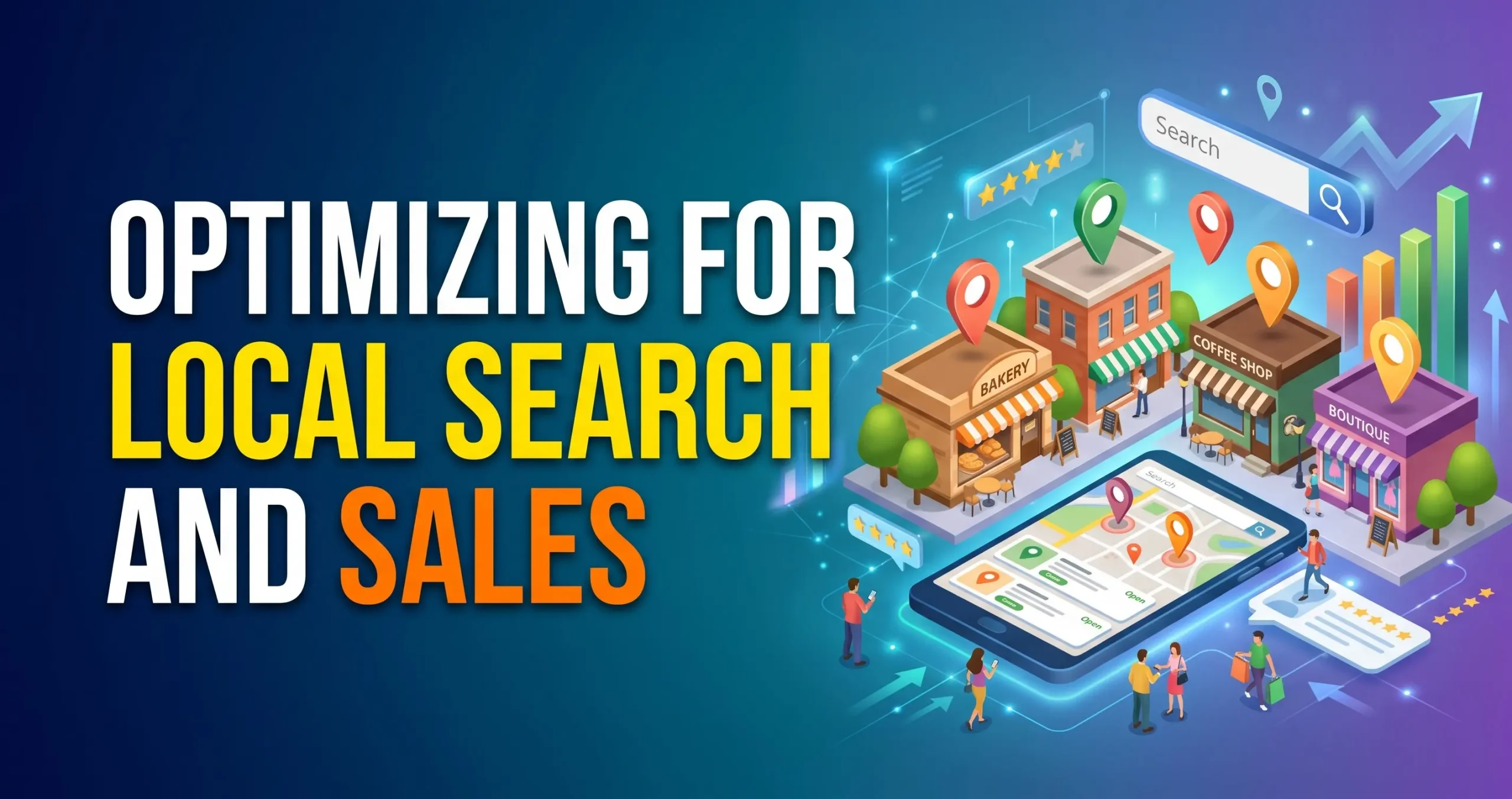 Local SEO is crucial for businesses with physical locations or those serving specific geographic areas. Local search optimization can significantly impact sales by capturing customers in your area.
Google My Business Optimization
Claim and optimize your Google My Business listing with:
- Accurate business information
- High-quality photos
- Customer reviews
- Regular posts and updates
- Specific service areas
Local Keyword Targeting
Incorporate location-based keywords throughout your website content. Create location-specific pages for different areas you serve, each optimized for local search terms.
Local Link Building
Build relationships with local businesses, organizations, and publications. Local backlinks signal relevance to search engines and can drive referral traffic from your community.
Technical SEO for Better Conversions
Technical SEO improvements can directly impact sales by improving user experience and making it easier for customers to find and purchase your products.
Site Speed Optimization
Slow-loading websites lose sales. Studies show that even a one-second delay in page load time can reduce conversions by 7%. Optimize your site speed by:
- Compressing images
- Minimizing code
- Using content delivery networks
- Choosing reliable hosting
Mobile Optimization
With mobile commerce growing rapidly, ensure your website provides an excellent mobile experience. This includes:
- Responsive design
- Fast mobile load times
- Easy navigation
- Simple checkout process
Structured Data Markup
Implement schema markup to help search engines understand your content better. This can lead to rich snippets in search results, which often have higher click-through rates.
Measuring SEO Impact on Sales
 Tracking the connection between SEO activities and actual sales results is essential for understanding the effectiveness of your optimization strategy. Businesses should monitor more than keyword rankings and organic traffic to determine how search visibility contributes to revenue growth. Using tools such as Google Analytics 4 and Google Search Console, you can track organic conversions, qualified leads, customer behavior, and revenue generated from search traffic.
Setting Up Conversion Tracking
Use Google Analytics and Google Search Console to track:
- Organic traffic growth
- Keyword rankings
- Conversion rates from organic traffic
- Revenue generated from organic search
Attribution Models
Understand that SEO often works in conjunction with other marketing channels. Use attribution models that give credit to SEO for its role in the customer journey, even when it’s not the final touchpoint before conversion.
Key Performance Indicators
Monitor these KPIs to gauge your SEO success:
- Organic traffic growth
- Keyword rankings for target terms
- Organic conversion rate
- Revenue per organic visitor
- Customer lifetime value from organic traffic
Advanced SEO Tactics for Sales Growth
Once you’ve established a strong SEO foundation, implementing advanced optimization techniques can further increase website traffic, attract high-intent customers, and generate more sales. Focus on strategies such as conversion rate optimization, search intent targeting, competitor analysis, content gap identification, and strategic internal linking.
Content Clusters and Topic Authority
Developing content clusters around your main service areas helps establish topical authority and improve search visibility. Create pillar pages supported by related blog posts and connect them through strategic internal links. This approach helps search engines understand your website’s expertise while attracting visitors from multiple related keywords.
Voice Search Optimization
Voice search optimization focuses on conversational keywords and natural-language questions that people use with voice assistants. Incorporate question-based headings, relevant FAQs, and location-specific search terms to improve content relevance. This strategy can help businesses reach potential customers using voice-enabled searches.
Video SEO
Video SEO improves the visibility of video content in search engine results and video platforms. Optimize video titles, descriptions, transcripts, thumbnails, and relevant keywords to make content easier to discover. Engaging videos can demonstrate products or services, build customer trust, and encourage purchasing decisions.
International SEO
If you serve multiple markets, implement international SEO strategies including:
- Country-specific domains or subdirectories
- Hreflang tags
- Localized content
- Regional keyword targeting
Getting Started with Sales-Driven SEO
Begin your sales-focused SEO journey by auditing your current approach. Identify gaps between your SEO strategy and your sales goals. Start with keyword research that prioritizes commercial intent over search volume. Create a content calendar that addresses different stages of the buying journey. Implement proper tracking to measure the sales impact of your SEO efforts. Remember that SEO is a long-term strategy. While some improvements may show results quickly, meaningful sales growth through SEO typically takes several months to materialize.
Transform Your SEO Strategy Into a Sales Engine
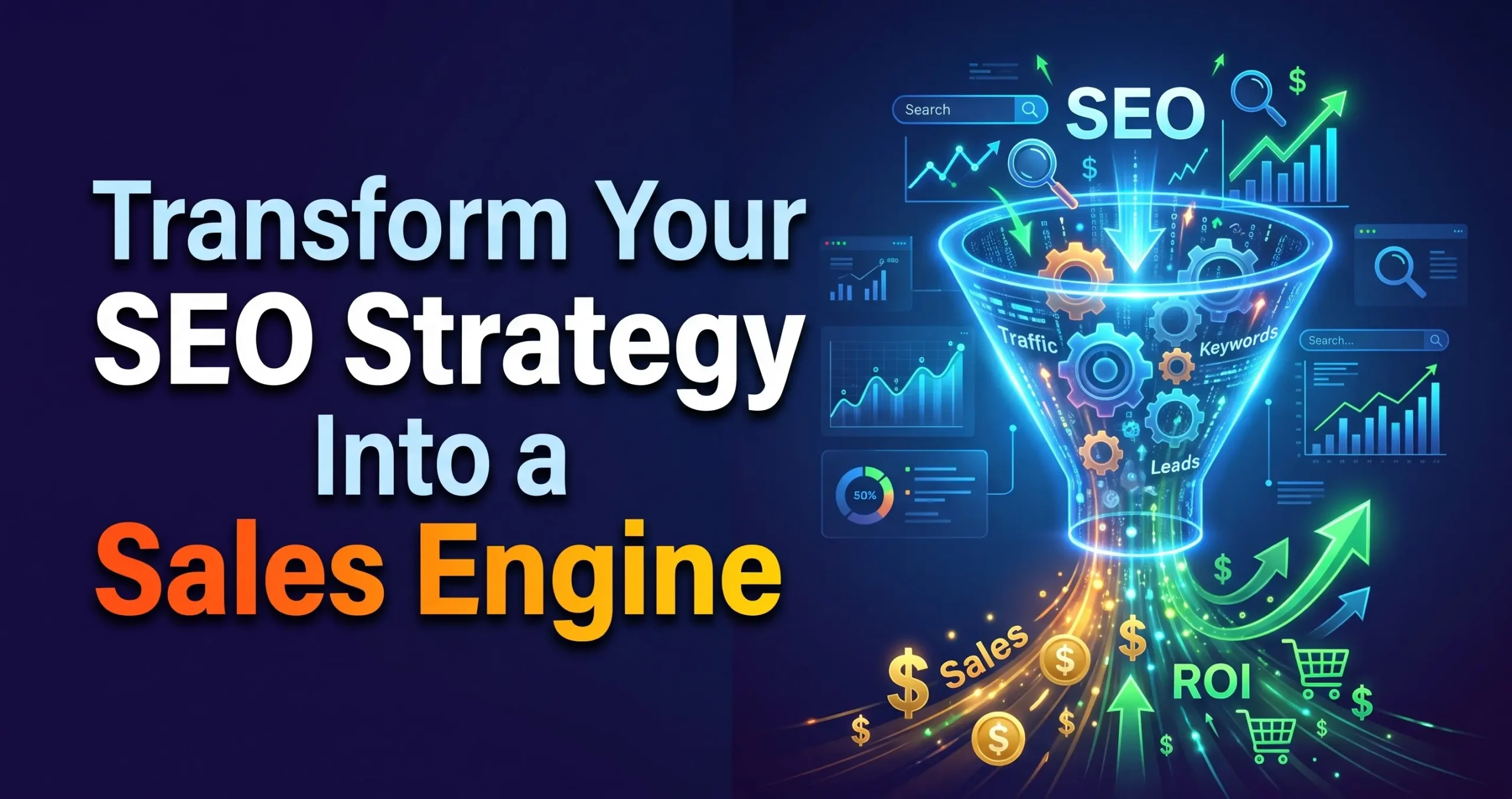 SEO success isn’t measured by rankings alone—it’s measured by revenue growth. By focusing on high-intent keywords, creating sales-focused content, and optimizing for conversions, you can transform your SEO strategy into a powerful sales engine.
The businesses that succeed with SEO understand that every piece of content, every keyword, and every optimization should serve a purpose in the customer journey. Start implementing these strategies today, and you’ll begin to see how effective SEO can drive meaningful sales growth for your business. At SanMo UAE, we specialize in creating SEO strategies that don’t just improve rankings—they increase revenue. Our approach combines technical expertise with a deep understanding of customer behavior to deliver SEO results that impact your bottom line.
Frequently Asked Questions (FAQs) About Increasing Sales Through SEO
1. How does SEO help increase sales?
SEO increases sales by improving website visibility in search results and attracting potential customers actively searching for relevant products or services. Targeting high-intent keywords, creating valuable content, and optimizing landing pages help convert organic visitors into paying customers.
2. How long does it take for SEO to generate sales?
SEO typically takes several months to generate noticeable business results. The timeline depends on competition, website authority, keyword difficulty, technical performance, and content quality. Consistent optimization helps build sustainable organic traffic and sales opportunities.
3. Which SEO strategies are most effective for increasing sales?
Effective sales-driven SEO strategies include commercial keyword targeting, conversion-focused content, technical SEO, local search optimization, internal linking, competitor analysis, and conversion rate optimization. Combining these techniques helps attract qualified visitors and encourage purchasing decisions.
4. What are high-intent keywords in SEO?
High-intent keywords are search terms used by people who are closer to making a purchase or taking action. Examples include “buy products online,” “best SEO services,” “service pricing,” and product comparison searches. Targeting these keywords can attract potential buyers.
5. How can content marketing improve SEO sales?
Content marketing supports SEO sales by providing useful information that addresses customer questions and purchasing concerns. Product pages, buying guides, comparison articles, case studies, and problem-solving content help build trust and guide visitors toward conversion.
6. Does local SEO help businesses generate more sales?
Yes. Local SEO helps businesses attract customers searching for nearby products and services. Optimizing Google Business Profile, targeting location-specific keywords, managing customer reviews, and building local citations can generate more calls, visits, and inquiries.
7. How does website speed affect SEO conversions?
Website speed influences user experience and purchasing decisions. Slow-loading pages can frustrate visitors and increase abandonment rates. Improving loading performance, optimizing images, reducing unnecessary scripts, and using reliable hosting can create a smoother experience and support better conversions.
8. How can businesses measure sales generated through SEO?
Businesses can measure SEO-driven sales using Google Analytics 4, Google Search Console, and conversion tracking tools. Important metrics include organic conversion rates, qualified leads, revenue from organic traffic, revenue per visitor, and customer acquisition performance.
9. What is the role of conversion rate optimization in SEO sales growth?
Conversion rate optimization (CRO) improves the percentage of website visitors who complete desired actions, such as purchasing products, submitting forms, or requesting services. It involves improving landing pages, calls-to-action, navigation, page layouts, and checkout experiences.
10. How can SanMo AE help businesses increase sales through SEO?
SanMo AE provides SEO and digital marketing solutions designed to improve organic visibility, attract qualified visitors, and support business growth. Through strategic keyword research, technical optimization, content development, and performance monitoring, SanMo AE helps businesses build stronger search presence and create more opportunities to convert visitors into customers.