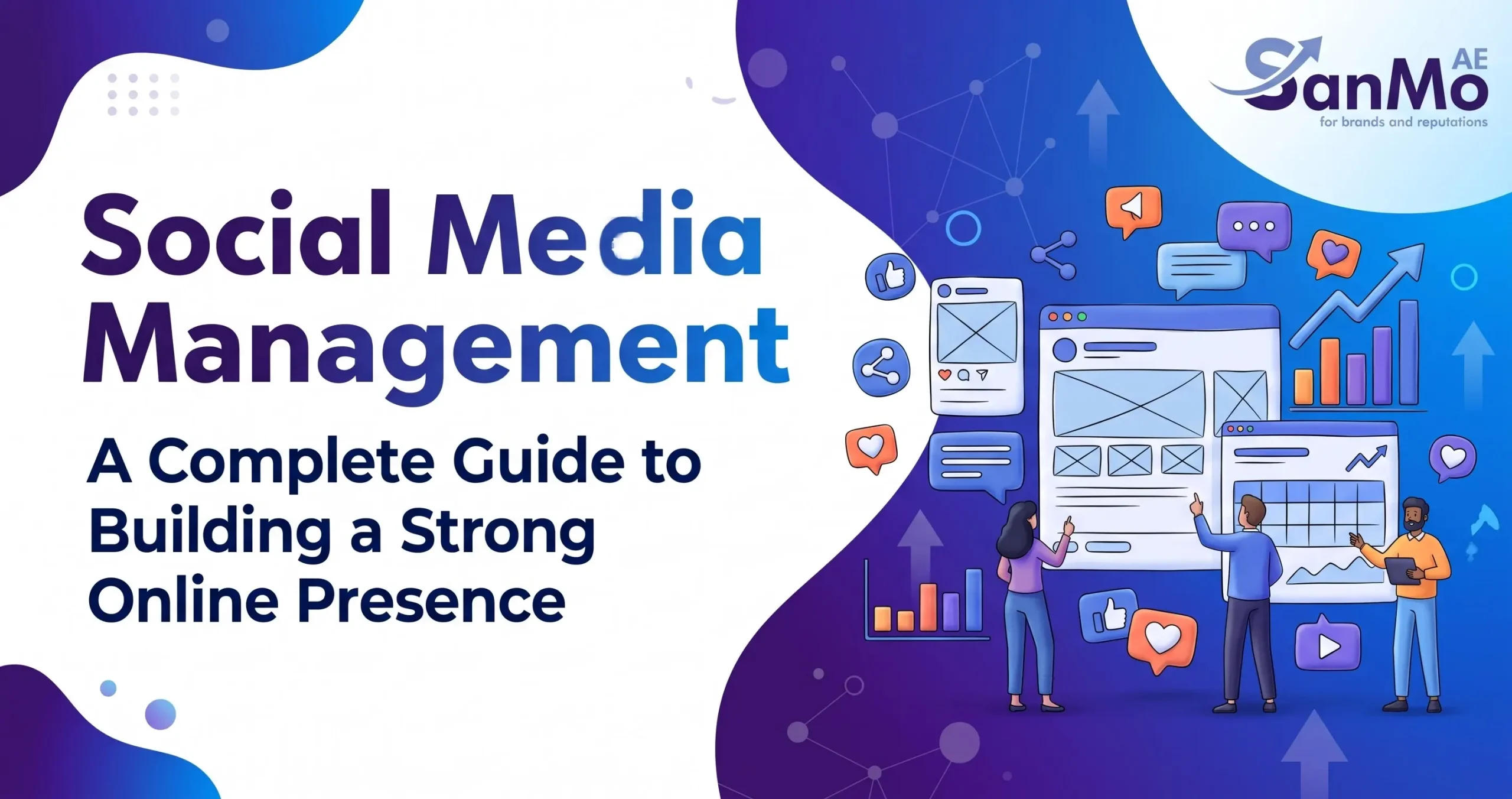
Managing social media can feel overwhelming, especially for businesses with limited time and resources. From creating engaging content and scheduling posts to responding to comments, analyzing performance, and keeping up with changing algorithms, maintaining a consistent online presence requires considerable effort.
Social media management encompasses all activities involved in creating, publishing, monitoring, and analyzing content across social media platforms. It involves developing a content strategy, organizing publishing schedules, engaging with followers, monitoring brand mentions, and measuring performance to achieve specific business objectives.
For modern businesses, social media is more than a communication channel. It is an important marketing tool for building brand awareness, developing customer relationships, generating leads, and increasing sales. However, achieving these results requires a structured approach rather than simply publishing occasional updates.
What Is Social Media Management?
Social media management is the process of planning, creating, scheduling, publishing, monitoring, and analyzing content across social media platforms such as Facebook, Instagram, X, LinkedIn, and TikTok. It involves managing a brand’s online presence while maintaining consistent communication with its target audience.
Effective social media management goes beyond updating profiles or sharing promotional content. It requires a strategic approach that combines audience research, content development, community engagement, advertising, and performance analysis. Businesses must understand what their audiences want, which platforms they prefer, and what types of content encourage meaningful interactions.
The Basic Principles of Social Media Management
Content Creation and Curation: Developing original content and sharing relevant industry information helps businesses provide value to their audiences. Educational posts, informative videos, infographics, and customer stories can strengthen brand credibility.
Post Scheduling and Publishing: Organizing content through a publishing calendar ensures consistent communication. Scheduling tools help businesses maintain regular posting activities without requiring manual publishing every day.
Community Engagement and Customer Service: Responding to comments, answering questions, and participating in discussions helps establish stronger customer relationships. Active communication also demonstrates that a business values audience feedback.
Social Media Advertising: Paid campaigns help businesses reach specific audiences beyond their existing followers. Targeted advertising can support brand awareness, lead generation, website traffic, and sales objectives.
Performance Tracking and Analytics: Monitoring engagement, reach, impressions, clicks, and conversions helps businesses understand which activities deliver meaningful results.
Brand Monitoring and Reputation Management: Tracking brand mentions, customer feedback, and online conversations allows businesses to identify potential issues and protect their reputation.
The Importance of Social Media Management to Your Business
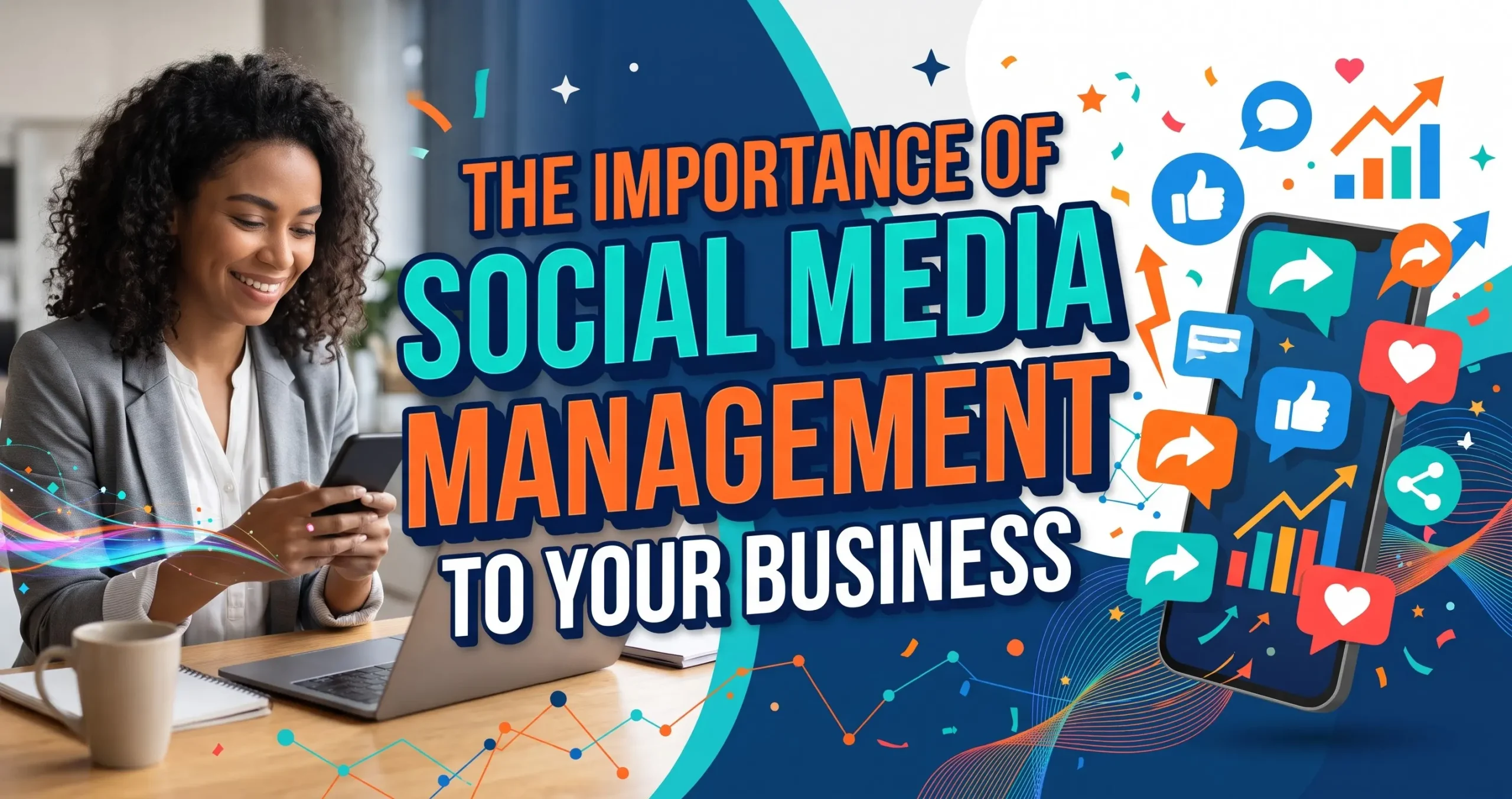 Social media platforms have become important communication channels for businesses and customers. Consumers frequently use these platforms to discover brands, research products, compare services, read reviews, and communicate with companies.
Without a consistent social media presence, businesses may miss valuable opportunities to connect with potential customers. Professional management helps organizations maintain visibility, communicate their value, and build meaningful relationships with their audiences.
Advantages of Professional Social Media Management
Brand Awareness and Visibility: Consistent publishing helps businesses remain visible to potential customers. Sharing valuable and relevant content increases opportunities for audience discovery, brand recognition, and industry authority. Over time, a recognizable social media presence can help businesses establish a stronger position in their markets.
Customer Engagement and Relationships: Social media provides direct communication between businesses and consumers. Responding to comments, answering questions, and addressing customer concerns demonstrates reliability and builds trust. Regular interaction also helps businesses understand customer expectations and improve their services.
Lead Generation and Sales: A well-planned social media strategy can attract qualified prospects and guide them toward purchasing decisions. Businesses can use product demonstrations, educational content, customer testimonials, and compelling calls to action to encourage website visits, inquiries, and conversions.
Competitive Advantage: Active social media management helps businesses monitor competitors, identify industry trends, and understand changing customer preferences. By consistently publishing useful content and engaging with audiences, companies can differentiate their brands and create stronger market recognition.
Affordable Marketing: Social media offers businesses opportunities to reach large audiences without relying entirely on expensive traditional advertising. Organic content, community engagement, and carefully managed paid campaigns allow companies to adjust their marketing activities according to available resources and business objectives.
Critical Aspects of Effective Social Media Management
1. Content Strategy and Planning
Effective social media management begins with a well-defined content strategy. Businesses need to understand their target audience, identify their interests, establish a recognizable brand voice, and determine what types of content will provide the greatest value.
A balanced content strategy should include educational, entertaining, promotional, and interactive posts. Educational content helps audiences understand industry topics, while entertaining posts encourage engagement. Promotional content introduces products and services, and interactive posts create opportunities for direct communication.
Audience research is particularly important during the planning process. Businesses should examine customer demographics, interests, online behavior, frequently asked questions, and purchasing preferences. These insights help marketers develop content that addresses real customer needs rather than publishing random updates.
2. Platform Selection and Optimization
Not every social media platform is suitable for every business. Selecting the right platforms depends on target audience characteristics, industry requirements, content formats, and marketing objectives.
LinkedIn is particularly valuable for B2B companies, professional services, recruitment, and business networking. Instagram and TikTok are effective options for visual storytelling, short-form videos, product demonstrations, and creator collaborations.
Facebook remains useful for community building, customer communication, local business promotion, and targeted advertising. X can support real-time updates, industry discussions, customer service, and brand communication.
3. Community Management and Engagement
Social media is fundamentally about communication. Successful management requires businesses to participate in conversations rather than simply publishing content and waiting for reactions.
Community management involves responding to comments, answering direct messages, acknowledging customer feedback, and participating in relevant discussions. Timely responses demonstrate that a business values its audience and takes customer concerns seriously.
Businesses should also establish guidelines for handling negative comments, complaints, and controversial discussions. Responses should remain professional, respectful, and focused on resolving problems. When necessary, sensitive customer issues can be moved to private communication channels.
Instruments and Resources for Social Media Management
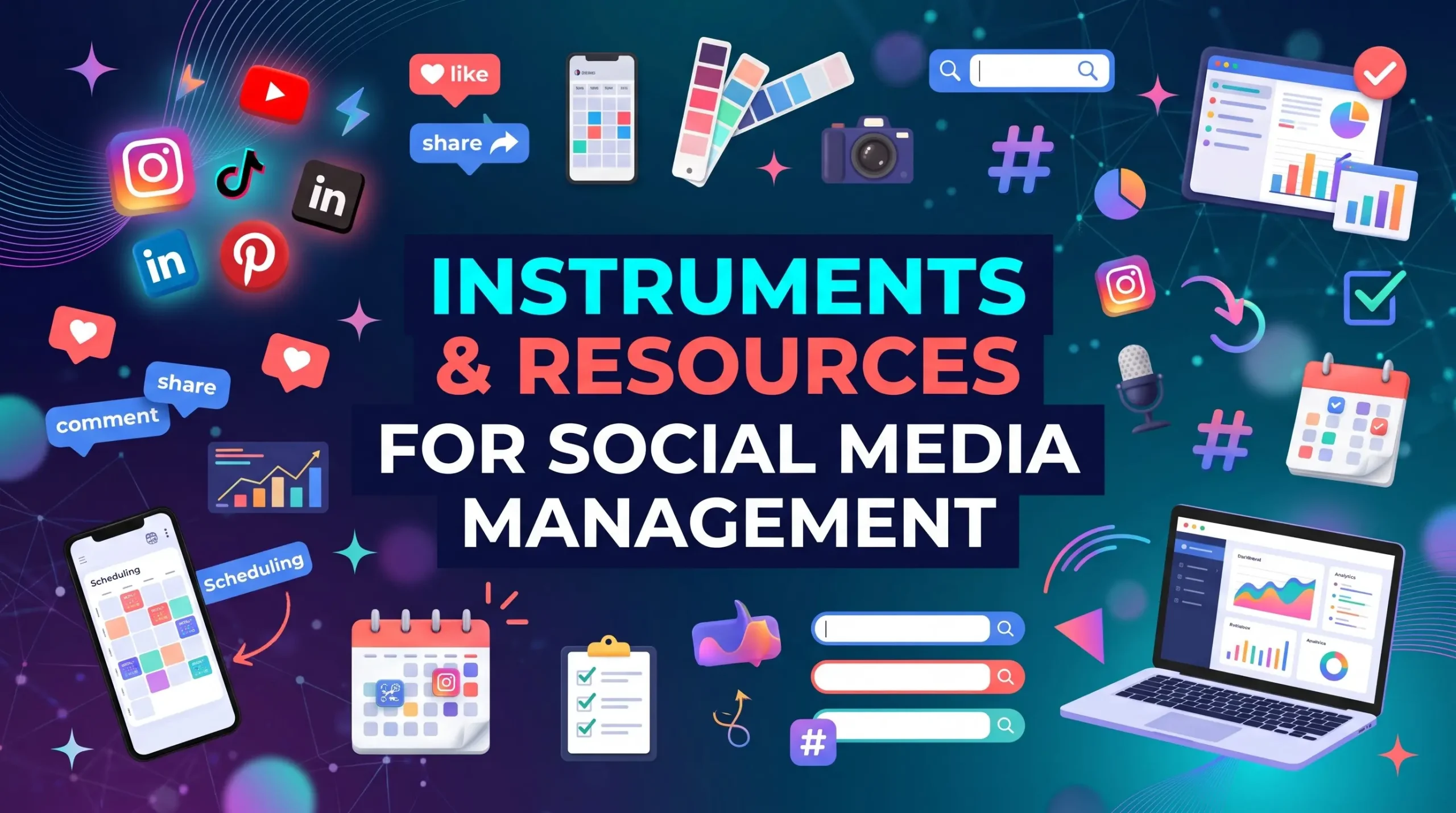 Managing multiple social media platforms becomes easier with the right tools. Social media management software helps businesses organize content, schedule publishing, monitor conversations, analyze results, and improve collaboration.
Scheduling and Publishing Tools
Scheduling tools help businesses plan and publish content across multiple platforms from a centralized dashboard. Solutions such as Hootsuite, Buffer, Sprout Social, and Later provide features for organizing publishing calendars, managing social accounts, and coordinating marketing activities.
These tools are especially useful for businesses that publish frequently or manage several social media profiles. Instead of manually posting content throughout the day, marketers can prepare posts in advance and schedule them according to their content calendars.
Analytics and Reporting Tools
Analytics tools help businesses understand how their social media activities perform. Most major platforms provide built-in reporting features that offer information about audience behavior, content engagement, and account growth.
Important metrics include engagement rate, reach, impressions, profile visits, click-through rates, and conversions. Businesses should select metrics based on their marketing objectives rather than focusing exclusively on follower growth.
Content Creation Tools
High-quality visuals and engaging multimedia content play an important role in social media performance. Content creation tools such as Canva, Adobe Creative Suite, Figma, Loom, InShot, and Premiere Pro help businesses produce professional graphics, videos, presentations, and promotional materials.
These tools support different content requirements, from simple social media graphics to advanced video editing and branded marketing assets. Businesses can also create reusable templates to maintain consistent colors, typography, and visual identity.
Learn the Secrets of Social Media Marketing Success
Consistency Is Key
Consistency is one of the most important factors in successful social media management. Publishing content regularly helps businesses maintain audience interest, strengthen brand recognition, and create predictable communication patterns.
However, consistency does not mean publishing as frequently as possible. Businesses should establish realistic schedules based on their resources, audience preferences, and platform requirements. A smaller number of valuable posts can be more effective than frequent low-quality updates.
Authenticity and Brand Voice
Authenticity helps businesses build stronger relationships with their audiences. Consumers are more likely to engage with brands that communicate naturally, provide useful information, and demonstrate genuine interest in customer needs.
A recognizable brand voice should remain consistent across different platforms while adapting to each channel’s communication style. For example, LinkedIn content may require a professional tone, while Instagram captions can be more conversational and visually focused.
Visual Content Prioritization
Visual content plays a major role in attracting attention and communicating information quickly. High-quality images, short-form videos, infographics, animations, and branded graphics can make social media posts more engaging and easier to understand.
Businesses should prioritize clear visuals that support the purpose of each post. Product images should highlight important features, educational graphics should simplify complex information, and promotional videos should communicate benefits effectively.
Monitor and Respond Promptly
Monitoring social media activities helps businesses understand audience reactions and identify potential communication issues. Regularly checking comments, direct messages, reviews, and brand mentions allows companies to respond before small concerns become larger problems.
Businesses should develop a clear response process that defines responsibilities, expected response times, and guidelines for handling different types of inquiries. Customer complaints should receive particular attention because unresolved issues can negatively influence brand perception.
Measuring Social Media Management Success
 Measuring performance is essential for understanding whether social media activities contribute to business objectives. Publishing content consistently does not automatically guarantee success. Businesses must evaluate the results and determine which activities generate meaningful audience interactions and commercial value.
Instead of focusing only on vanity metrics, marketers should prioritize performance indicators connected to their specific goals.
Engagement Rate: Measures how actively audiences interact with published content through likes, comments, shares, saves, and other interactions. It helps businesses understand whether their content resonates with followers.
Reach and Impressions: Reach represents the number of unique accounts exposed to content, while impressions indicate how many times content is displayed. These metrics help evaluate brand visibility and content distribution.
Website Traffic: Website visits generated through social media links demonstrate how effectively platforms encourage users to explore business websites, landing pages, and product information.
Lead Generation: Tracking inquiries, sign-ups, contact form submissions, and other qualified actions helps businesses evaluate social media’s contribution to their sales pipeline.
Cost per Customer Acquisition: This metric measures how much a business spends to acquire a customer through marketing activities. It is particularly useful when evaluating paid social media campaigns and advertising efficiency.
Regular performance reviews help identify successful campaigns, improve underperforming content, and make informed decisions about future marketing investments.
8 Steps to Level Up Your Social Media Management
Improving social media performance requires a structured process that connects daily activities with long-term marketing objectives. Businesses can strengthen their approach by following these practical steps.
Define Clear Marketing Goals
Start by identifying what you want to achieve through social media. Your objectives may include increasing brand awareness, generating leads, improving customer engagement, driving website traffic, or increasing sales. Clear goals make it easier to select suitable platforms and measure campaign performance.
Understand Your Target Audience
Research your ideal customers to understand their demographics, interests, challenges, and online behavior. Analyze existing customer feedback, audience insights, and industry discussions to identify relevant content opportunities. Understanding your audience helps you create more meaningful communication.
Choose the Right Social Media Platforms
Focus on platforms where your target audience is most active. Rather than managing every available network, prioritize one or two channels that align with your business model and content capabilities. You can expand to additional platforms as your resources and results improve.
Develop a Content Calendar
Create a publishing calendar that organizes content topics, formats, captions, and posting dates. Include a balanced combination of educational, promotional, entertaining, and interactive content. Planning ahead reduces last-minute pressure and helps maintain a consistent publishing schedule.
Create Engaging and Valuable Content
Develop content that addresses audience interests and provides practical value. Use a combination of images, short videos, infographics, educational posts, and customer stories. Make sure every post has a clear purpose and communicates information in an accessible way.
Schedule and Publish Consistently
Use social media scheduling tools to organize publishing activities and maintain a reliable posting routine. Review platform analytics to identify suitable publishing times and adjust your schedule according to audience engagement. Consistent publishing helps maintain visibility and audience interest.
Engage With Your Community
Respond to comments, answer messages, participate in relevant discussions, and encourage audience feedback. Building relationships requires active communication rather than one-way promotion. Meaningful engagement can improve customer trust and create stronger brand communities.
Analyze Results and Optimize Performance
Review your social media analytics regularly to identify successful content, audience behavior, and campaign weaknesses. Compare results against your original objectives and make adjustments when necessary. Continuous testing and optimization help businesses improve their social media strategies over time.
Conclusion
Effective social media management requires strategic planning, consistent content creation, meaningful audience engagement, and regular performance analysis. Businesses that approach social media with clear objectives and organized processes can strengthen brand awareness, develop customer relationships, generate qualified leads, and create sustainable marketing opportunities.
Success does not depend on being active on every platform. Instead, it comes from understanding your audience, selecting appropriate channels, publishing valuable content, and continuously improving your approach through performance insights. SanMo AE helps businesses strengthen their digital marketing efforts through professional solutions designed to improve online visibility, audience engagement, and brand growth.
Frequently Asked Questions About Social Media Management
1. What Is Social Media Management?
Social media management involves planning, creating, scheduling, publishing, and analyzing content across social media platforms. It helps businesses maintain an active online presence, engage with audiences, and achieve marketing objectives.
2. Why Is Social Media Management Important for Businesses?
Social media management helps businesses increase brand awareness, build customer relationships, generate leads, and promote products or services. A consistent strategy also improves online visibility and creates opportunities for long-term business growth.
3. Which Social Media Platforms Are Best for Businesses?
The best platforms depend on your target audience and business goals. Facebook is useful for community engagement, Instagram and TikTok support visual content, while LinkedIn is particularly valuable for B2B marketing and professional networking.
4. What Are the Main Responsibilities of a Social Media Manager?
A social media manager typically handles content planning, post creation, scheduling, community engagement, customer communication, brand monitoring, and performance reporting. These responsibilities help maintain consistent brand communication across different platforms.
5. How Often Should a Business Post on Social Media?
Posting frequency depends on the platform, audience preferences, and available resources. Businesses should prioritize consistent, high-quality content rather than publishing excessively. Monitoring engagement helps determine an effective posting schedule.
6. What Tools Are Used for Social Media Management?
Popular social media management tools include Hootsuite, Buffer, Sprout Social, and Later. Businesses also use Canva, Adobe Creative Suite, and platform-native analytics tools to create content, schedule posts, and monitor performance.
7. How Can Social Media Management Increase Sales?
Social media management supports sales by promoting products, sharing customer testimonials, answering questions, and directing potential customers to websites or landing pages. Strategic content and targeted advertising can also generate qualified leads and conversions.
8. Which Metrics Should Businesses Track for Social Media Success?
Important metrics include engagement rate, reach, impressions, website traffic, follower growth, lead generation, and conversion rates. Tracking these indicators helps businesses understand campaign performance and identify opportunities for improvement.
9. How Can Small Businesses Manage Social Media Effectively?
Small businesses can start by selecting one or two relevant platforms, creating a content calendar, and using scheduling tools. Regular audience engagement and performance reviews help maintain consistency while making the best use of limited resources.
10. How Can SanMo AE Help Businesses With Social Media Management?
SanMo AE helps businesses strengthen their digital marketing efforts through professional marketing solutions. Businesses can explore its services to improve online visibility, develop audience engagement, strengthen brand recognition, and support sustainable digital growth.