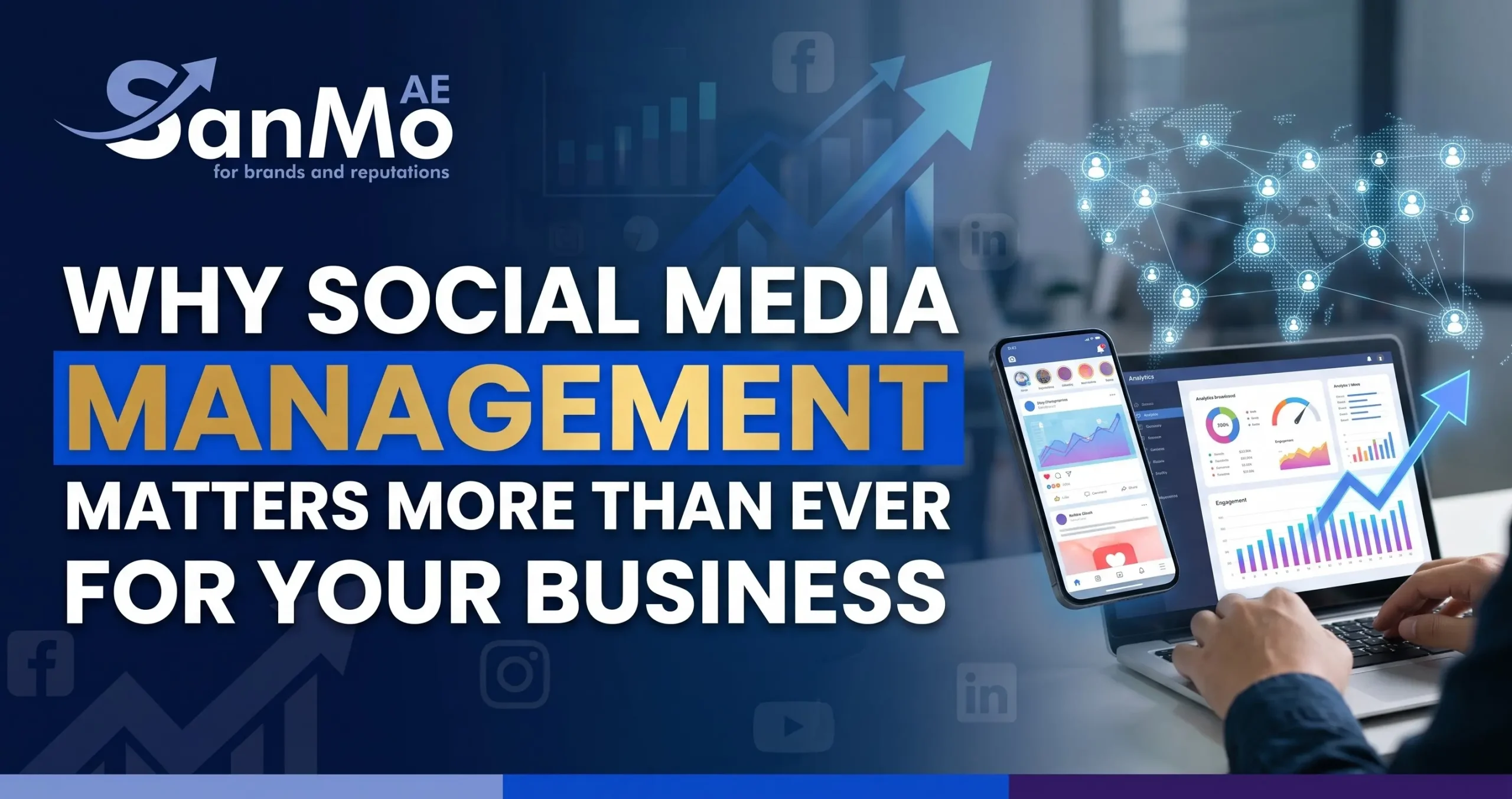
You’ve built a great business, but are you missing out on millions of potential customers? Every day, over 4.8 billion people scroll through social media platforms. Without proper social media management, your business remains invisible to this massive audience.
This post explores why social media management isn’t just a “nice-to-have” anymore—it’s essential for business growth. You’ll discover how strategic social media management boosts brand visibility, creates meaningful customer connections, and directly drives sales. Plus, we’ll share actionable tips to build a winning social media strategy that delivers real results.
What Is Social Media Management and Why It’s Crucial
Social media management involves creating, scheduling, analyzing, and engaging with content across social platforms. It’s more than posting pretty pictures—it’s about building relationships with your audience and turning followers into loyal customers.
Consider this: 54% of social browsers research products on social media before making purchases. Companies with active social media presence see 2.3 times more website traffic than those without. These aren’t just statistics—they represent real revenue opportunities.
How Social Media Management Transforms Your Business
Amplifies Brand Visibility Like Nothing Else
Your brand needs to be where your customers are, and they’re on social media. Effective social media management puts your business in front of thousands of potential customers daily.
When you consistently share valuable content, your brand becomes top-of-mind. People remember businesses they see regularly. A local bakery might post daily photos of fresh pastries on Instagram, keeping their brand visible when customers crave sweets.
Social media algorithms reward consistent, engaging content with increased reach. This organic visibility costs nothing but time and creativity—making it one of the most cost-effective marketing strategies available.
Creates Authentic Customer Connections
Social media breaks down the wall between businesses and customers. It transforms faceless corporations into relatable brands with personality.
Through comments, direct messages, and interactive content, you can address customer concerns immediately. This responsiveness builds trust faster than traditional marketing methods. When customers feel heard and valued, they become brand advocates who recommend your business to others.
User-generated content amplifies this effect. When customers share photos using your products or tag your business, they’re providing authentic testimonials that influence their network’s purchasing decisions.
Drives Measurable Sales Growth
Social media directly impacts your bottom line. Instagram Shopping, Facebook Shops, and Pinterest Product Pins allow customers to purchase without leaving the platform.
Research shows that social media has a 100% higher lead-to-close rate than outbound marketing. Social commerce sales are projected to reach $1.2 trillion by 2025. These platforms aren’t just for brand awareness—they’re powerful sales channels.
Even without direct purchasing features, social media drives website traffic. Quality content with clear calls-to-action guides followers to your website, where they can learn more and make purchases.
Building Your Winning Social Media Strategy
Set Crystal Clear Goals
Vague goals produce mediocre results. Instead of “increase followers,” aim for specific outcomes like “generate 50 qualified leads monthly through LinkedIn” or “achieve 20% increase in website traffic from Instagram.”
Common social media goals include:
- Brand awareness growth
- Lead generation
- Customer service improvement
- Website traffic increase
- Sales conversion
Each goal requires different content types and metrics. Brand awareness focuses on reach and impressions, while lead generation prioritizes clicks and conversions.
Know Your Audience Inside and Out
Understanding your target audience shapes every aspect of your strategy. Demographics tell you which platforms to prioritize. Psychographics inform your content tone and topics.
Create detailed buyer personas including:
- Age, location, and income
- Preferred social platforms
- Content consumption habits
- Pain points and challenges
- Goals and aspirations
A fitness coach targeting busy professionals might focus on LinkedIn and Instagram, sharing quick workout tips and productivity advice. The same coach targeting stay-at-home parents would emphasize Facebook groups and family-friendly content.
Use platform analytics to refine your understanding. Instagram Insights, Facebook Analytics, and Twitter Analytics reveal when your audience is most active and which content resonates best.
Choose the Right Platforms
You don’t need to be everywhere. Focus on platforms where your audience spends time and your content naturally fits.
LinkedIn excels for B2B businesses, professional services, and thought leadership content.
Instagram works well for visually appealing products, lifestyle brands, and younger demographics.
Facebook offers the largest user base and sophisticated advertising options, making it valuable for most businesses.
TikTok reaches Gen Z and younger millennials with creative, authentic content.
Twitter suits news, customer service, and real-time engagement.
Start with one or two platforms. Master them before expanding elsewhere.
Content Creation That Connects and Converts

Follow the 80/20 Rule
Eighty percent of your content should educate, entertain, or inspire your audience. Only 20% should directly promote your products or services.
This approach builds trust and engagement. People follow brands that provide value, not constant sales pitches. A software company might share productivity tips, industry news, and behind-the-scenes content, with occasional product demonstrations.
Maintain Visual Consistency
Your social media profiles should feel cohesive. Use consistent colors, fonts, and imagery styles across all platforms. This visual consistency makes your brand instantly recognizable in crowded social feeds.
Create brand guidelines covering:
- Logo usage and placement
- Color palette and font choices
- Image filters and editing styles
- Post layout templates
Tools like Canva offer brand kit features that maintain consistency across all your designs.
Post When Your Audience Is Active
Timing affects reach and engagement significantly. Platform analytics reveal when your specific audience is most active. General guidelines suggest:
- LinkedIn: Tuesday-Thursday, 9 AM-5 PM
- Instagram: Monday-Friday, 11 AM-1 PM and 7 PM-9 PM
- Facebook: Tuesday-Thursday, 9 AM-3 PM
- Twitter: Monday-Friday, 12 PM-3 PM
However, your audience might differ from these averages. Test different posting times and track engagement rates to find your optimal schedule.
Measuring Success with Analytics
Track Metrics That Matter
Social media generates vast amounts of data. Focus on metrics aligned with your business goals rather than vanity metrics like follower count.
Engagement metrics (likes, comments, shares) indicate content quality and audience interest.
Reach and impressions measure brand visibility and content distribution.
Click-through rates show how effectively your content drives traffic to your website.
Conversion rates reveal which social media efforts generate actual business results.
Customer acquisition cost from social media helps determine ROI compared to other marketing channels.
Use Platform Analytics Tools
Every major platform provides free analytics tools:
- Facebook Insights tracks page performance, audience demographics, and post engagement
- Instagram Insights shows content performance and follower activity patterns
- LinkedIn Analytics measures page and content performance for business accounts
- Twitter Analytics provides tweet performance and audience insights
Third-party tools like Hootsuite, Buffer, or Sprout Social offer cross-platform analytics and advanced reporting features.
Adjust Based on Data
Analytics only create value when you act on insights. If video content consistently outperforms static images, create more videos. If posts at 2 PM receive higher engagement than 9 AM posts, adjust your schedule accordingly.
Monthly analytics reviews help identify trends and opportunities. Look for:
- Top-performing content types and topics
- Optimal posting times and frequencies
- Audience growth and engagement trends
- Website traffic and conversion patterns
Common Social Media Management Mistakes to Avoid
Inconsistent Posting
Sporadic posting confuses algorithms and disappoints followers. Consistency builds audience expectations and improves platform visibility. Use scheduling tools to maintain regular posting even during busy periods.
Ignoring Negative Feedback
Negative comments and reviews require prompt, professional responses. Ignoring criticism damages your reputation more than the original complaint. Address concerns publicly when appropriate, then move detailed discussions to private messages.
Over-Automating Interactions
While scheduling posts saves time, authentic engagement requires human touch. Automated responses often sound robotic and impersonal. Reserve automation for posting schedules, not customer interactions.
Copying Competitors Blindly
Learning from successful competitors makes sense, but copying their strategy rarely works. Your audience, brand voice, and business goals differ from theirs. Develop authentic content that reflects your unique value proposition.
The Role of Social Media Management in Building Brand Authority
Building brand authority requires more than simply maintaining active social media profiles. Businesses need to consistently share informative, relevant, and valuable content that demonstrates their industry knowledge. Through strategic social media management, companies can publish educational posts, industry insights, customer success stories, and expert opinions that establish credibility. Regular interaction with followers also helps businesses develop stronger relationships and create a trustworthy online identity. Sharing useful information encourages audiences to recognize a brand as a reliable source within its industry. Additionally, collaborating with industry experts and influencers can expand brand exposure and strengthen credibility. Over time, consistent communication and valuable content help businesses develop customer confidence, improve brand recognition, and establish a stronger competitive position in the digital marketplace.
How Social Media Management Supports Customer Retention
 Attracting new customers is important, but retaining existing customers is equally essential for sustainable business growth. Social media management helps businesses maintain ongoing communication with customers after their initial purchases. By sharing product updates, exclusive offers, helpful tips, and personalized content, brands can keep their audiences interested and connected. Responding to customer questions, acknowledging feedback, and addressing complaints also demonstrate that a business values its customers. Interactive activities such as polls, Q&A sessions, and community discussions encourage existing customers to participate regularly. These interactions create a stronger sense of belonging and improve customer experiences. When businesses maintain meaningful relationships through social platforms, customers are more likely to return, recommend their products or services, and develop long-term brand loyalty.
The Benefits of Professional Social Media Management Services
Managing multiple social media platforms requires time, planning, creativity, and continuous performance monitoring. Professional social media management services help businesses handle these responsibilities through structured marketing strategies. Experienced professionals can research target audiences, develop content calendars, create engaging visuals, manage advertising campaigns, and monitor important performance metrics. They also identify opportunities to improve engagement and optimize campaigns based on audience behavior. For businesses without dedicated marketing teams, outsourcing these activities can reduce workload and provide access to specialized expertise. Professional management also helps maintain consistent brand messaging across different platforms. Instead of publishing content without a clear direction, businesses can follow measurable objectives and data-driven strategies that support brand awareness, audience growth, lead generation, and long-term business development.
Your Next Steps to Social Media Success
Effective social media management transforms casual browsers into loyal customers and brand advocates. Businesses that want sustainable growth need a strategic approach to building their online presence. Start by evaluating your current social media performance, identifying your target audience, and selecting the platforms that best support your business objectives. Consistent content creation, meaningful audience engagement, and performance tracking can help turn social media activities into measurable business results.
At SanMo AE, we help businesses strengthen their digital presence through strategic marketing solutions designed to improve brand visibility, audience engagement, and customer growth. Our team focuses on creating effective strategies that align with your business goals and deliver long-term value.
Ready to take your social media presence to the next level? Partner with SanMo AE to build a stronger brand, connect with your target audience, and unlock new opportunities for business growth.
Frequently Asked Questions (FAQs)
1. What is social media management?
Social media management involves creating, scheduling, publishing, and analyzing content across social media platforms. It also includes audience engagement, customer communication, and performance monitoring to support business growth.
2. Why is social media management important for businesses?
Social media management helps businesses increase brand visibility, connect with potential customers, build trust, generate leads, and drive sales through consistent and strategic online engagement.
3. Which social media platforms are best for businesses?
The best platforms depend on your target audience and business goals. LinkedIn is ideal for B2B marketing, Instagram for visual content, Facebook for community building, and TikTok for creative short-form videos.
4. How often should a business post on social media?
Posting frequency depends on the platform, audience, and content strategy. Most businesses can start with three to five quality posts per week and adjust their schedule based on engagement and performance data.
5. How does social media management increase sales?
Social media management increases sales by promoting products and services, building customer relationships, driving website traffic, generating qualified leads, and encouraging customers to make purchasing decisions.
6. What are the main responsibilities of a social media manager?
A social media manager develops content strategies, creates and schedules posts, manages online communities, responds to customer inquiries, monitors analytics, and optimizes campaigns to achieve business objectives.
7. What tools are useful for social media management?
Popular social media management tools include Hootsuite, Buffer, Sprout Social, and Canva. These tools help businesses schedule content, create visuals, monitor engagement, and analyze performance.
8. How can businesses measure social media management success?
Businesses can measure success through engagement rates, reach, impressions, website clicks, lead generation, conversion rates, and customer acquisition costs. These metrics help evaluate marketing performance and return on investment.
9. Is social media management suitable for small businesses?
Yes, social media management is highly beneficial for small businesses. It provides cost-effective opportunities to increase brand awareness, reach local customers, build relationships, and compete with larger companies.
10. How long does it take to see results from social media management?
Social media management typically requires consistent effort over several months to produce meaningful results. Brand awareness and engagement may improve earlier, while lead generation and sales growth depend on strategy, audience, and campaign performance.